Build a homeschool painting curriculum for kids and teens including free open-ended prompts to comprehensive step-by-step online instruction.
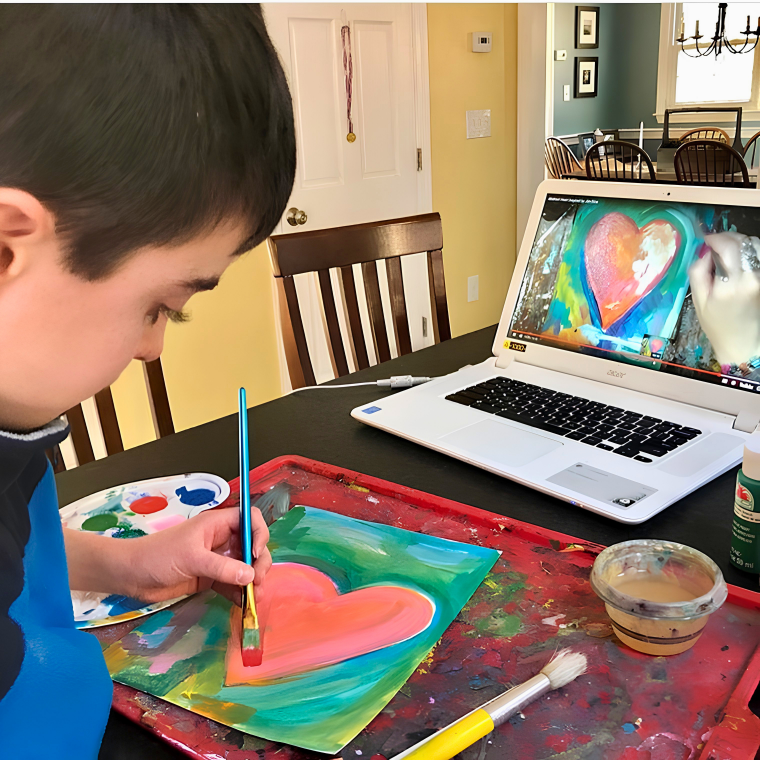
There comes a wonderful moment in a child’s art education when you hand them a brush and paint and suddenly an entirely new world opens up. Now we’re not only thinking about lines and shapes. We’re mixing colors. We’re creating texture. We’re layering. We’re discovering what happens when one color is placed beside another. We’re figuring out how to make something look bright or muted, near or far, rough or smooth, luminous or shadowed.
Painting brings together so many of the things children learn through art—and it can be one of the most joyful parts of a homeschool art curriculum.
But where do you begin?
- Watercolor?
- Acrylics?
- Oils?
- Pastels?
Do children need to learn to draw first? Do you need to know how to paint in order to teach them?
Thankfully, no.
A good homeschool painting curriculum can provide the instruction while you provide the materials, time, and encouragement. And as children grow, painting can progress naturally from playful exploration into serious artistic study.
Why Include Painting in Your Homeschool?
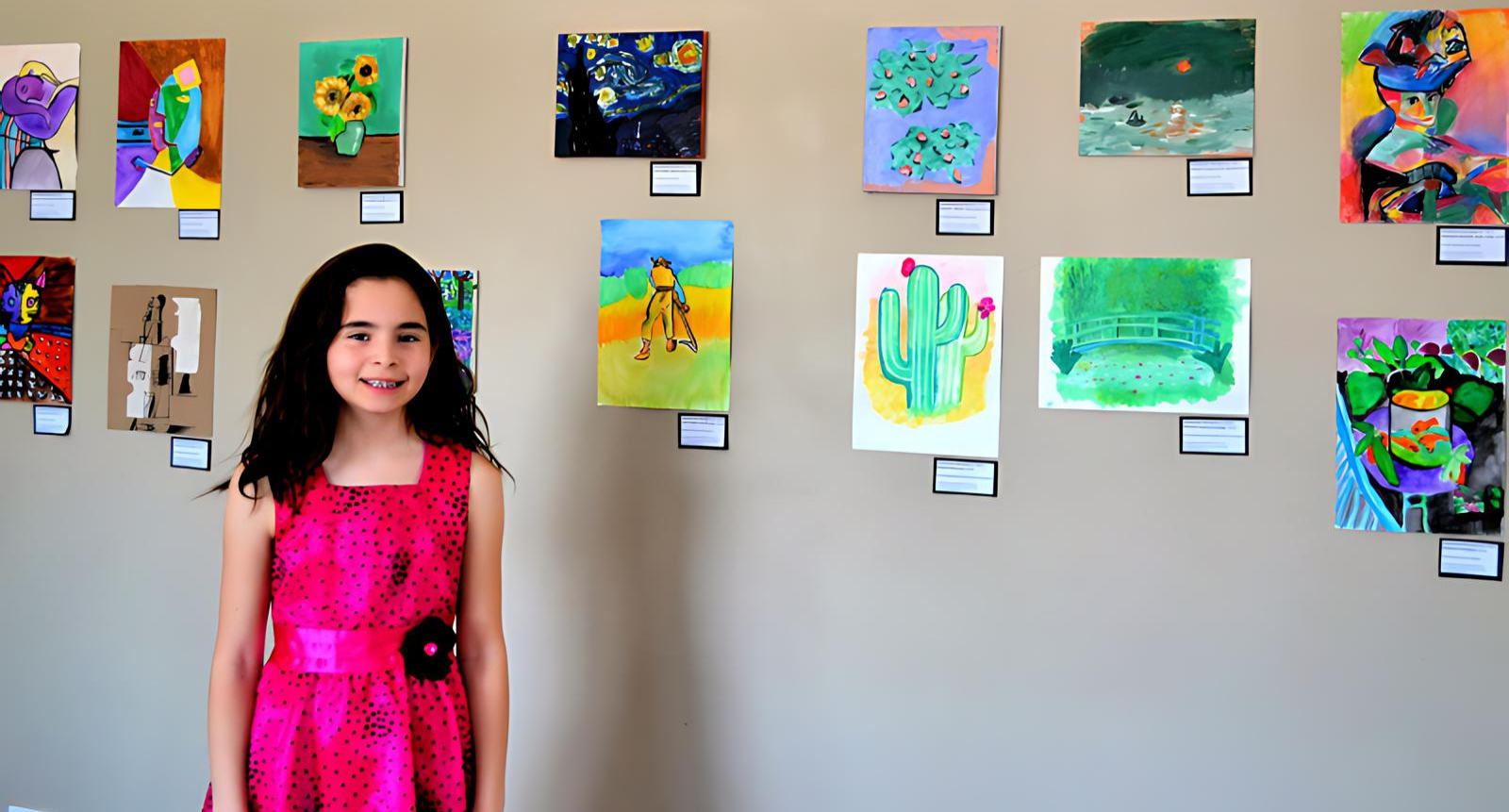
Painting gives children an entirely different way to communicate visually. A pencil can create line, texture, form, and value.
Paint adds another enormous dimension: Color.
Students begin learning that color is much more complex than choosing “blue” or “red.” There are warm blues and cool blues. Bright reds and earthy reds. Colors that leap forward and colors that seem to recede. They discover tints, shades, tones, complementary colors, analogous colors, limited palettes, and the almost endless number of colors they can create from a relatively small collection of paint.
At the same time, they’re learning about brushwork, composition, value, texture, light, edges, layering, and artistic decision-making.
Painting can be fun. But it’s also a remarkably rich education.
What Should a Homeschool Painting Curriculum Teach?
There is a big difference between completing a painting project and learning how to paint. Both can have a place in your homeschool.
A project might walk your child through the process of creating a particular finished piece. A comprehensive painting education goes deeper and gradually teaches the student the skills they can use to create paintings of their own.
Depending on age and experience, a homeschool painting curriculum might include color mixing and color theory, value, brush control and brushwork, composition, texture, layering, washes, glazing, underpainting, limited palettes, creating depth, working from observation, studying master painters, and experimenting with different painting media.
Students should also have opportunities to create paintings in which they make some of the artistic decisions themselves. Because ultimately, that’s the goal. We’re not trying to teach children to copy us forever.
We’re giving them the skills to become artists in their own right.
Which Painting Medium Is Best for Homeschoolers?
There isn’t one “best” painting medium. Watercolor, acrylics, oils (and even pastels) behave very differently, and each teaches students something valuable.
Watercolor
Watercolor is transparent, fluid, portable, and relatively easy to clean up.
Students learn to work with water and pigment through washes, layering, wet-on-wet and wet-on-dry techniques, brushwork, lifting, masking, and more. It can be wonderfully approachable for children while still offering a lifetime of possibilities for serious artists.
Acrylic Paint
Acrylics are one of my favorite choices for homeschool painting. They’re versatile, colorful, and fast-drying. They can be thinned for transparent effects, used more opaquely, layered, combined with different mediums, or applied thickly to create texture. Students can work on paper, canvas panels, stretched canvas, and other prepared surfaces.
Because acrylics dry relatively quickly, they’re also much easier to manage in a typical homeschool environment than traditional oils.
Oil Paint
Oil painting offers rich color, beautiful blending, long working time, and that wonderful buttery texture artists have loved for centuries. It also requires more consideration when used at home.
Traditional oil painting materials dry slowly and can involve solvents and other materials that need to be handled and disposed of properly. For that reason, many homeschool families may prefer to begin with acrylics and allow older students to explore oils when appropriate.
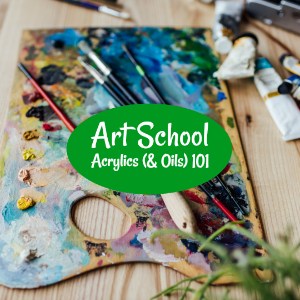
Our Art School: Acrylics (& Oils) painting curriculum gives teens the opportunity to learn concepts that can be applied to both acrylics and oils. (Find out more below.)
Pastel Painting
Pastels occupy a wonderful space somewhere between drawing and painting. Although you’re holding the medium directly in your hand rather than applying paint with a brush, artists use soft pastels to layer, blend, build color, create texture, and develop finished works that are appropriately called pastel paintings.
They’re also a beautiful medium for homeschoolers because students get such immediate, vibrant color.
Pastel painting can help students explore color mixing, value, layering, blending, mark-making, texture, composition, light, and expressive use of color. And unlike watercolor or acrylics, there are no brushes to wash when you’re finished—although I can’t promise there won’t be colorful fingers!
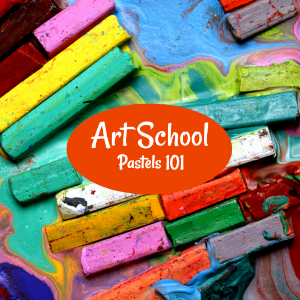
For middle and high school students who want to study the medium more seriously, Art School: Pastels 101 provides a complete introduction to working with pastels while building foundational art skills. (Find out more below.)
Begin With Creative Exploration
Before children worry about creating technically sophisticated paintings, give them opportunities to discover what paint can do. This is especially important with younger artists:
- What happens if you use a huge brush?
- What if you scrape through wet paint?
- What if you only use three colors?
- What if you paint with several values of one color?
- What kinds of marks can different brushes make?
Those aren’t meaningless experiments. That’s how artists learn their materials.
Our free Creative Juice: Acrylics Open Ended Art Lessons on YouTube are designed to encourage this kind of experimentation.
Instead of focusing exclusively on reproducing one finished painting, students have opportunities to explore paint and make their own creative decisions. These lessons are an easy way to bring painting into your homeschool without committing to an entire course. Put out the paints. Press play. And see what happens.

👉 Watch our Acrylic Prompts on YouTube
Painting and the Importance of Creative Freedom
One of the things I feel strongly about at Masterpiece Society is that art education should not result in a room full of identical paintings.
Yes, children need instruction. They need demonstrations. They need to see how a technique works. Many times they benefit enormously from following a project from beginning to end. But good instruction should eventually give them more freedom, not less.
That’s why we combine step-by-step teaching with opportunities for individual choice. Maybe your child’s colors are different from mine. Maybe their brushwork is looser. Maybe they change the background. Maybe they add something I didn’t.
Wonderful! They’re beginning to think like an artist.
Should Children Learn Drawing Before Painting?
Children don’t need to master drawing before they’re allowed to paint. Please don’t make an eight-year-old wait until they’ve perfected proportion before handing them a paintbrush!
Young artists should draw and paint and sculpt and collage and experiment with all sorts of materials. But as students become older and want to create more sophisticated representational artwork, drawing skills become increasingly valuable.
Drawing teaches students to observe shape, proportion, form, value, perspective, light, and composition. Those skills transfer beautifully into painting. That’s why, for teens pursuing more serious art study, I generally recommend beginning with Art School: Drawing 101 before—or alongside—our painting courses. Find out more about it here: Homeschool Drawing Curriculum
Homeschool Painting Curriculum for Middle & High School
Middle and high school students who are ready to move beyond individual painting projects can begin studying painting as an artistic discipline. That’s exactly why I created Art School: Acrylics (& Oils) 101.
Art School: Acrylics (& Oils) 101
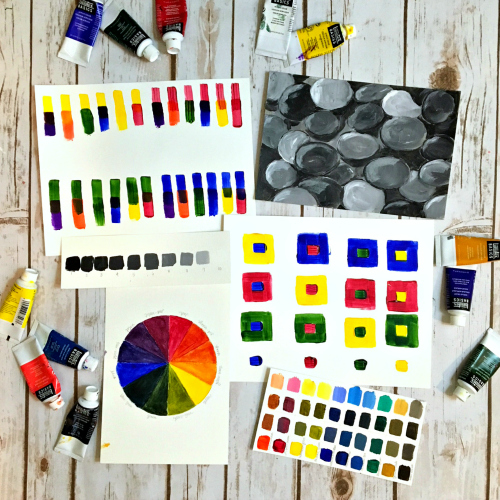
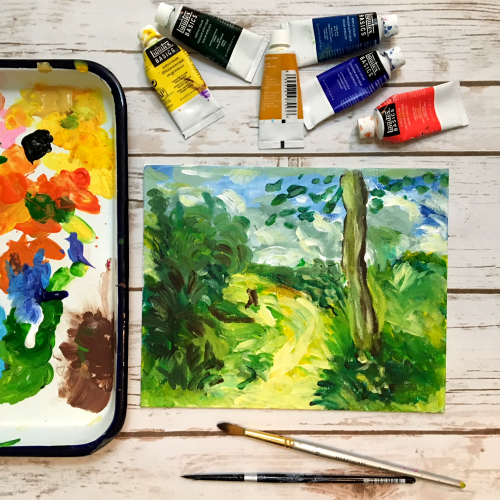
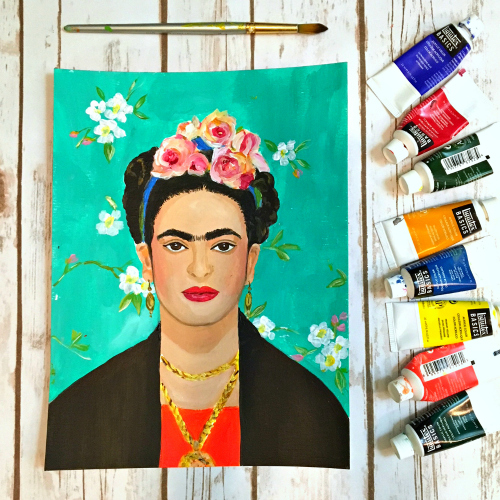
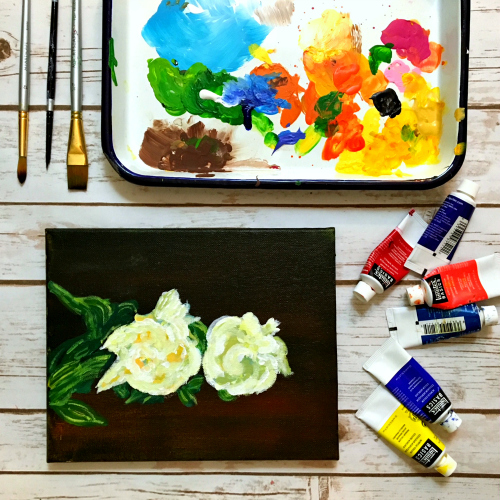
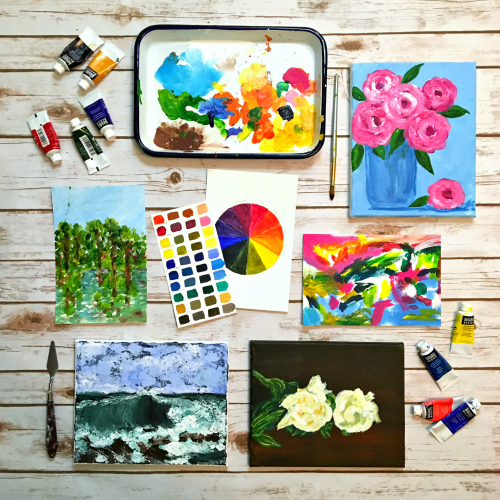
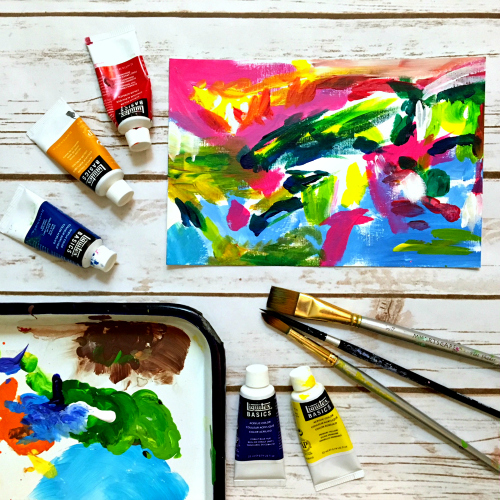
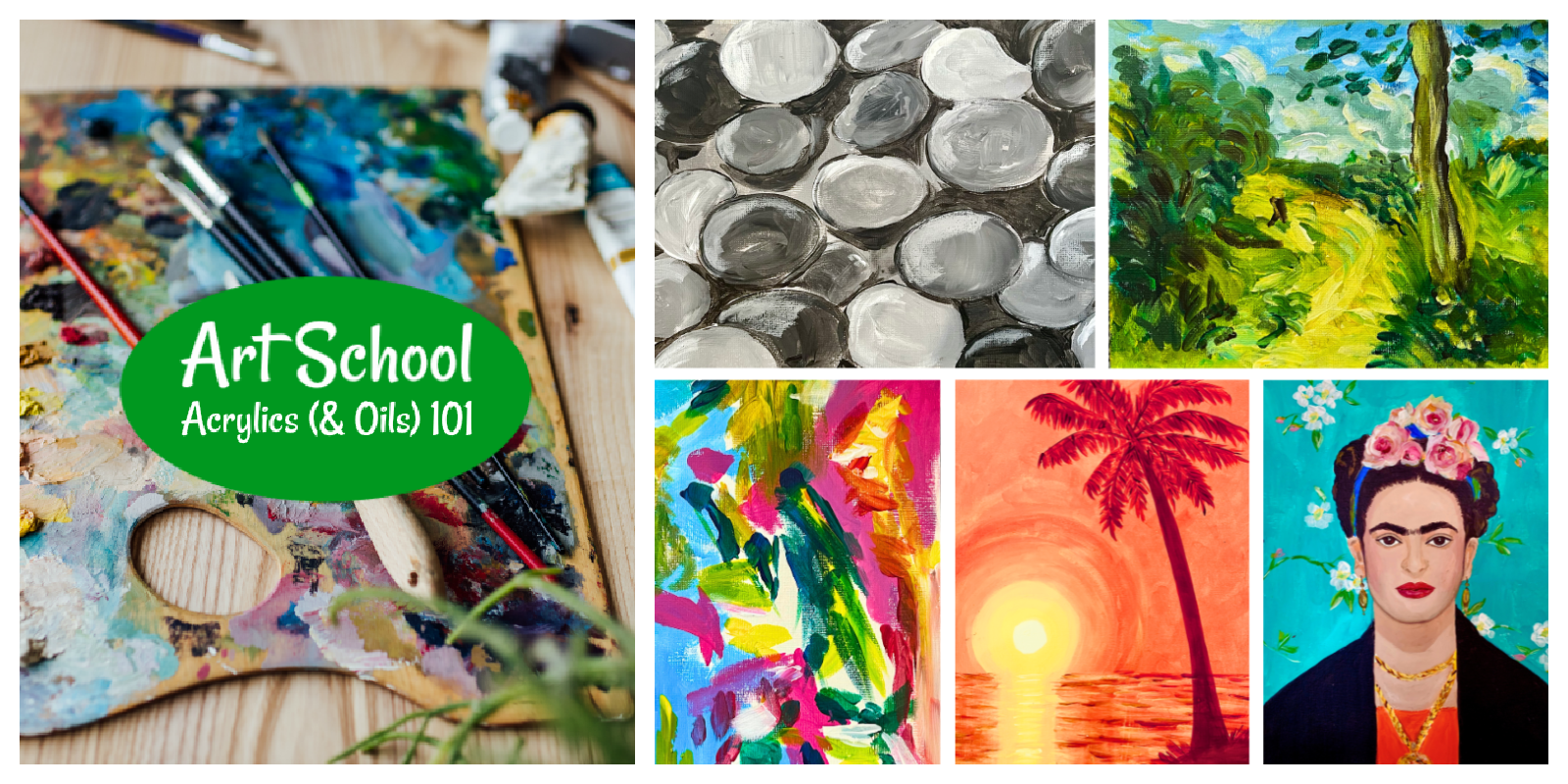
This comprehensive course includes more than 30 lessons designed to give teens a strong foundation in classical and modern painting techniques.
Students explore both acrylic and oil painting while learning concepts and techniques including paint mixing, monochromatic color, analogous color, color relationships, alla prima painting, underdrawings and underpaintings, tinted grounds, brushwork, impasto, palette knife painting, glazing, broken color, scumbling, sgraffito, and more.
They also learn foundational concepts such as value and composition and put their new skills into practice through finished paintings.
👉 Explore Art School: Acrylics (& Oils) 101
Art School: Pastels 101
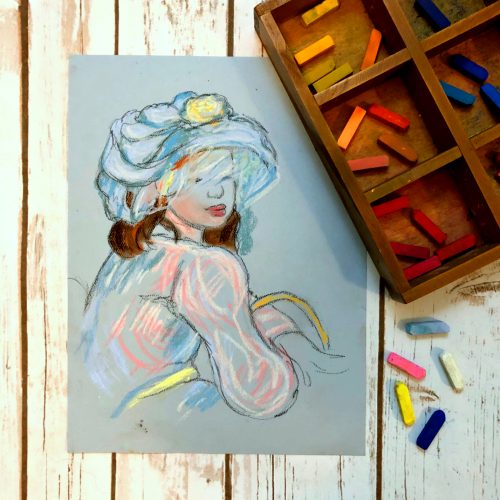
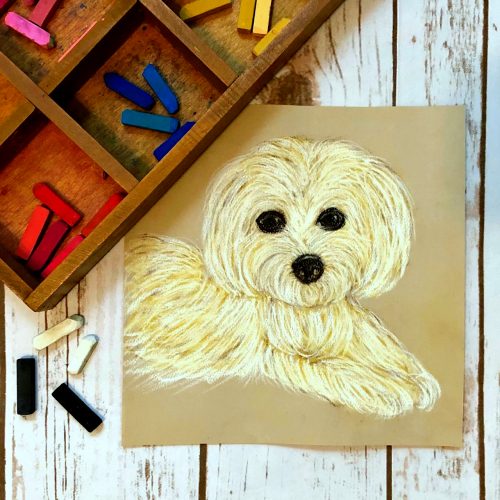
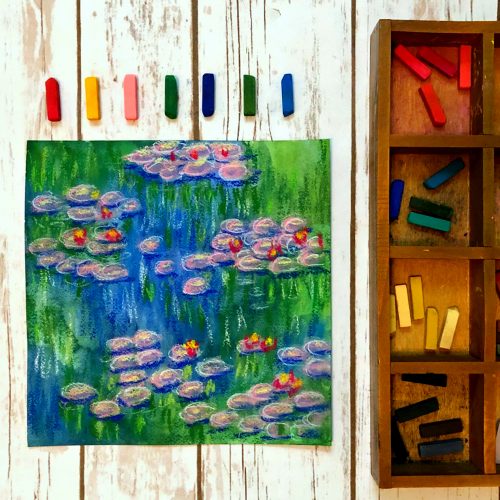
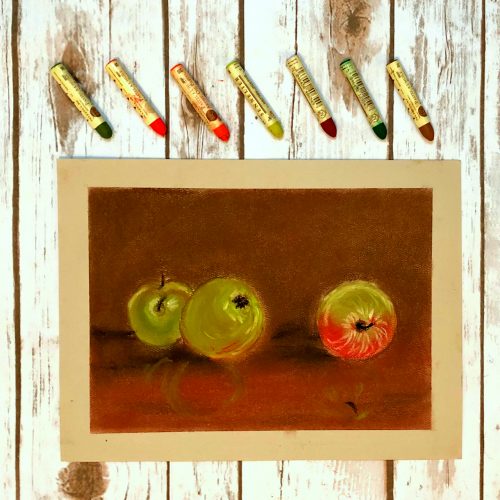
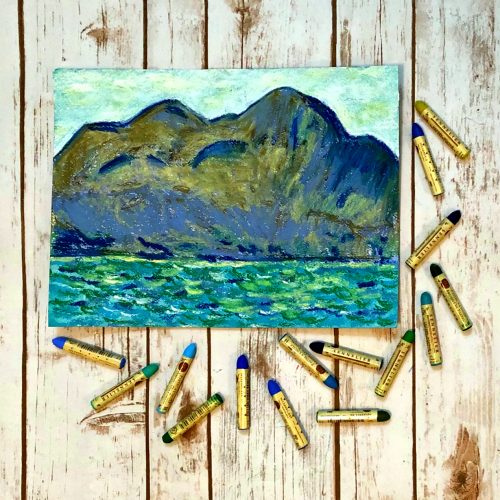
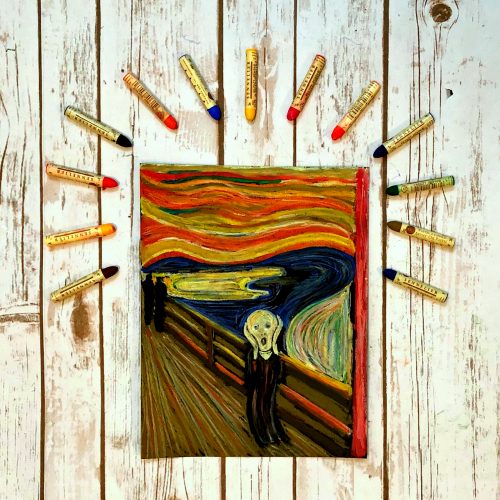
Painting doesn't necessarily mean “wet paint applied with a brush.” Painting is about building an image primarily through areas of color, value, shape, and surface—which is why we speak of pastel paintings and pastel painters.
I have also created a complete curriculum to learn about professional soft and oil pastel techniques. Students can create delicate lines, bold strokes, beautiful layers, rich colors, soft blends, and incredible textures—all with the same medium. That makes pastel an especially valuable addition to a young artist's education.
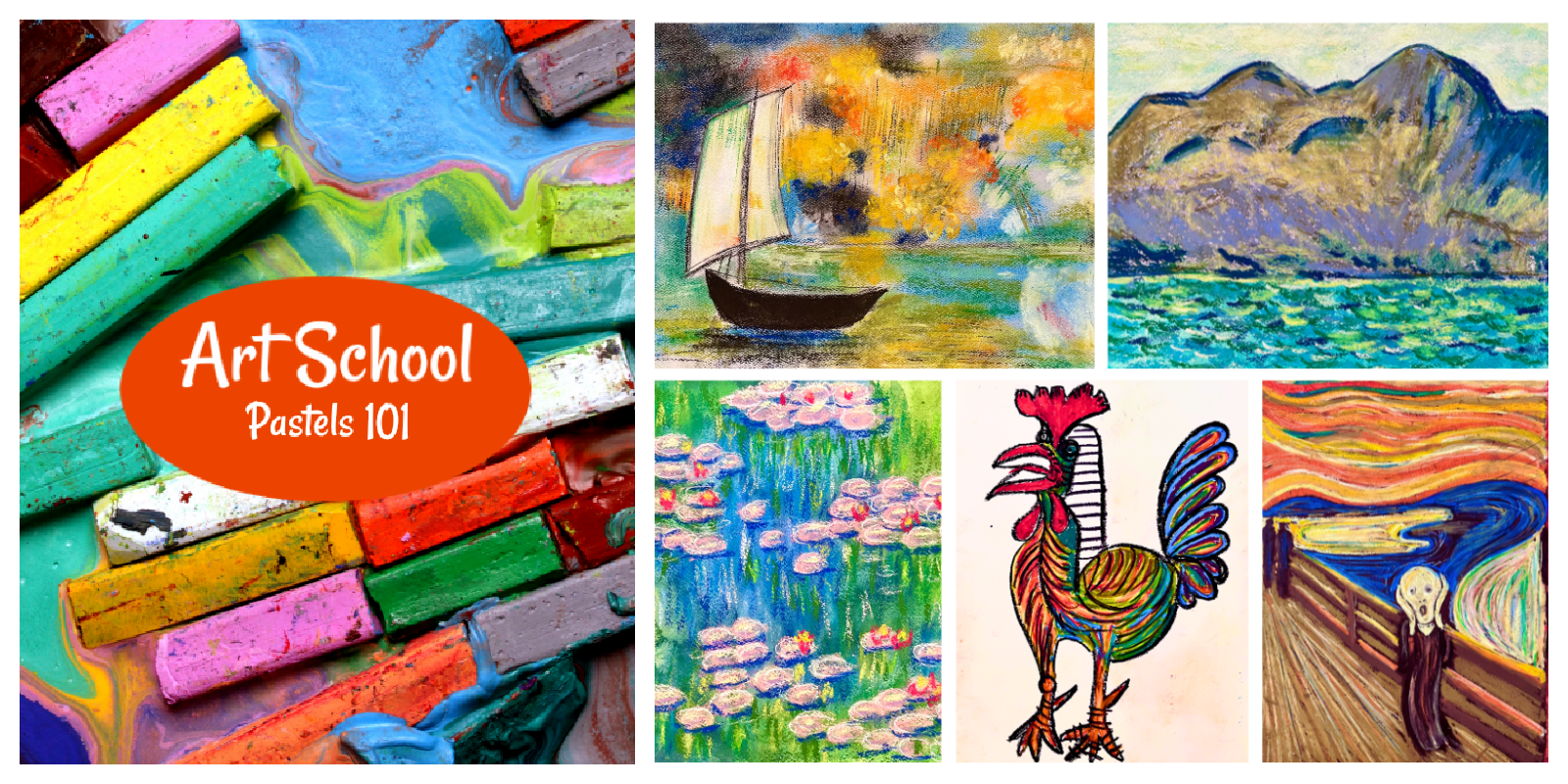
Explore Art School: Pastels 101
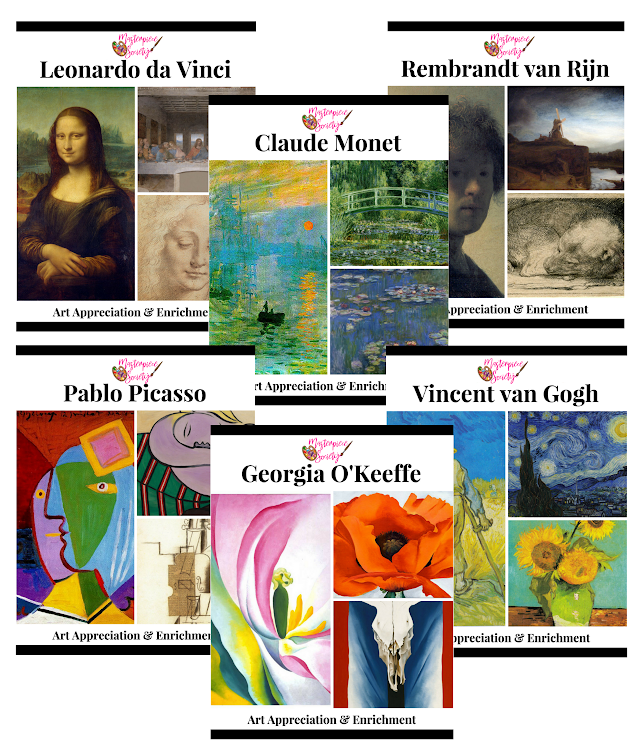
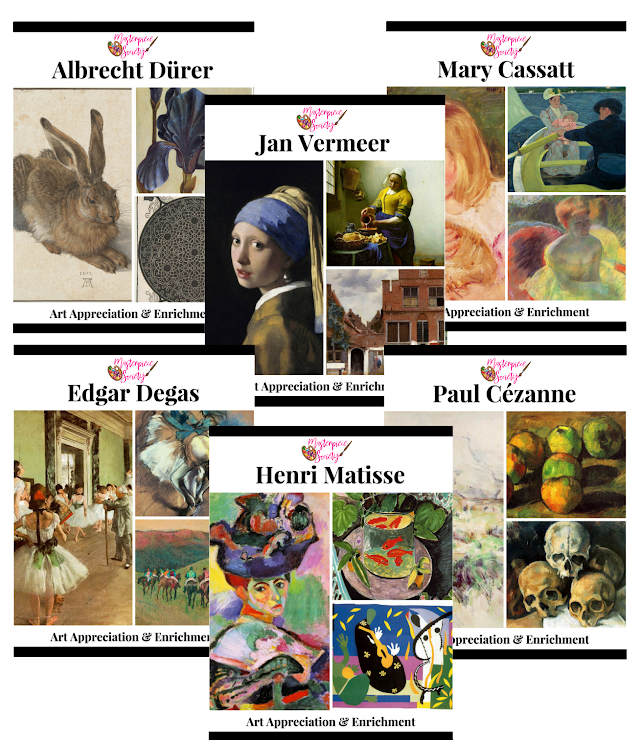
Learn Painting by Studying the Masters
Artists have learned from other artists for centuries.
Think about this: In just about every gallery and art museum in the world, one comes across artists, both amateur and professional, who copy masterpieces in order to become better artists themselves. There is nothing new or strange about this.
Raphael studied by copying the works of Leonardo da Vinci and Michelangelo. Have you seen Raphael’s Mona Lisa? Degas copied Rembrandt, Giotto, Bellini, Ingres, and more. Van Gogh copied Rembrandt, Millet, and the Impressionists.
I’ve been to the Louvre and seen Edouard Manet’s painting of The Madonna of the Rabbit side by side with Titian’s of the same name. Titian painted it in 1530, whereas Manet painted his piece over 300 years later, between 1850 to 1860.
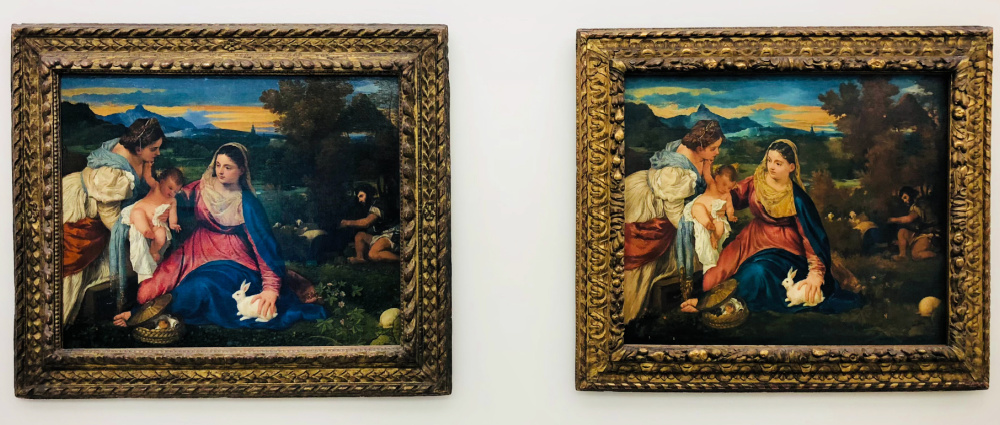
This is what it says on the plaque at the Louvre:
“Bequeathed to the museum in 2017, this copy of the Madonna of the Rabbit was probably painted in front of the original at the Louvre. Studying Titian was an essential part of Manet’s artistic training. He drew inspiration from this composition to paint his famous Luncheon on the Grass (1862), held by the Musee d’Orsay in Paris.”
And if you know anything about Manet, you know that the Paris Salon’s reaction to the Luncheon on the Grass forever changed his life and sent the entire art establishment of the day in an uproar! This painting was pivotal in bringing about Impressionism.
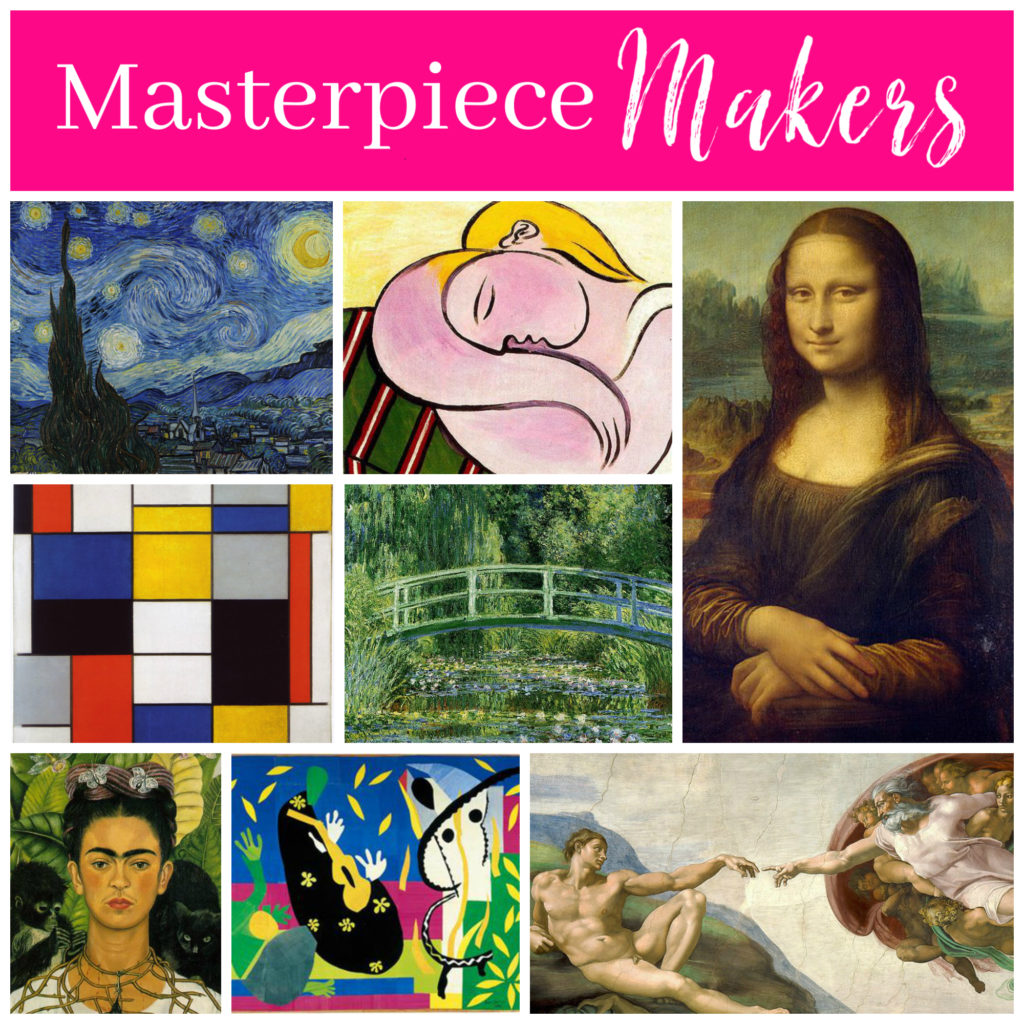
In Acrylics (& Oils) 101, teens study techniques through paintings by artists including John Singer Sargent, Édouard Manet, J.M.W. Turner, Pierre-Auguste Renoir, Willem de Kooning, Paul Cézanne, Gustave Courbet, and Frida Kahlo.
And in Pastels 101, they study techniques though paintings by artists including Edgar Degas, Édouard Manet, Edvard Munch, Pierre-Auguste Renoir, Berthe Morisot, Frederick Childe Hassam, Odilon Redon, and Pablo Picasso.
Studying master paintings helps students look more carefully at the choices an artist made.
- What colors did the artist use?
- Where are the lightest lights and darkest darks?
- How were the brushstrokes applied?
- Where are edges sharp—and where do they disappear?
- How was depth created?
- What happens when we try the same technique ourselves?
This moves art history off the page and into the student’s hands. They aren’t simply memorizing the names of famous painters. They’re learning from them.
What Will Teens Learn in Acrylics & Oils 101?
The course begins by helping students understand their materials before moving more deeply into color theory and painting technique.
Students experiment with primary, secondary, and tertiary colors; hues, tones, shades, and tints; color relationships; glazing; value; monochromatic painting; analogous colors; restricted palettes; and composition.
From there, they explore techniques such as scumbling, impasto, alla prima painting, underdrawing and underpainting, working on tinted grounds, palette knife work, and more.
This progression matters. Instead of saying, “Here’s a painting—copy what I do,” we’re helping students understand the artistic decisions behind a painting. Eventually, a teen begins looking at their own work and asking:
- Do I need more contrast here?
- Is that color too warm?
- Should this edge be softer?
- Would glazing help?
- Does this area need more texture?
Those are very different questions from: “What do I do next?”
That’s growth.
What Will Teens Learn in Pastels 101?
This course helps teens learn how to use pastels as a true painting medium—not simply as something to draw with.
Students explore foundational techniques such as layering and blending color, creating different marks and textures, building value, working with light and shadow, and using color intentionally. Along the way, they experiment with different pastel techniques while learning how artists use this wonderfully vibrant medium to create everything from soft, atmospheric effects to bold, expressive paintings.
As with our other Art School courses, students don't simply follow projects. They're building a collection of techniques they can eventually use in their own original pastel paintings.
Don’t Forget Watercolor Painting
Of course, acrylics, oils, and pastels aren’t the only ways to study painting. Students who love the fluidity and transparency of watercolor can follow an entirely different path through Masterpiece Society. Find out more about it here: Homeschool Watercolor Curriculum
And yes, we even have an Art School: Watercolors 101, which includes more than 30 lessons exploring watercolor and gouache, color theory, washes, wet-on-wet and wet-on-dry techniques, brushwork, masking, lifting, texture, line and wash, master studies, and more.
All of these painting paths complement one another beautifully:
- Watercolor teaches students to work with transparency, water, and the white of the paper.
- Acrylics and oils introduce very different approaches to opacity, layering, texture, blending, and surface.
- Pastels offer yet another approach, allowing students to build rich layers of color while exploring blending, mark-making, texture, and expressive use of line and color.
Experiencing each of these gives students a broader artistic vocabulary.
A Homeschool Painting Path From Kids Through Teens
Your children don’t need to follow a rigid sequence. But if you’re wondering what painting education might look like over several years, think in terms of progression rather than grade levels.
Young Artists Explore color, brushes, paint, texture, and different ways of making marks.
↓
Elementary & Middle Grades Complete guided painting projects while learning techniques naturally through experience.
↓
Open-Ended Exploration Use Creative Juice watercolor and acrylic lessons to encourage experimentation and artistic decision-making.
↓
Focused Watercolor Study Explore Watercolor Whimsies and other watercolor projects.
↓
Teen Foundational Skills Build observation, proportion, form, and value through Drawing 101.
↓
Middle & High School Painting Study Watercolors 101, Acrylics (& Oils) 101, and/or Pastels 101.
↓
Independent Artist Develop original paintings, study favorite artists, explore personal style, create a portfolio, and continue practicing.
There isn’t a finish line. Art education keeps expanding as the artist does.
What Painting Supplies Does My Homeschooler Need?
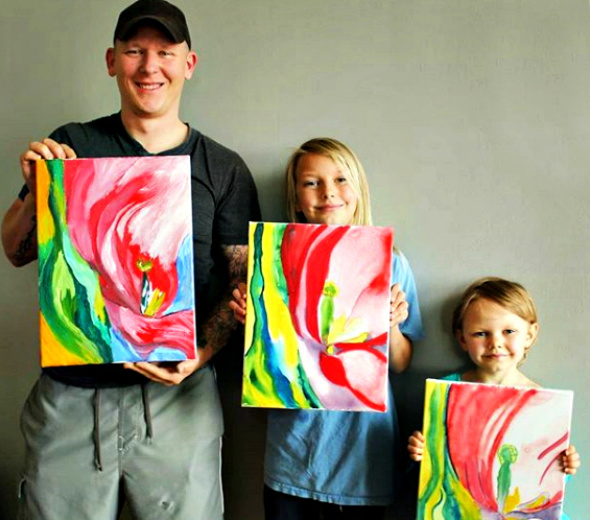
Don’t buy every painting supply at once. The materials you need depend on the medium and course you’re using.
For acrylic painting, you’ll generally want a basic collection of acrylic paints, brushes, canvas panels or acrylic paper, a palette, water container, paper towels, pencils, and a few additional tools depending on the technique.
Older students may eventually add palette knives, mediums, specialized brushes, and additional surfaces.
If your teen chooses traditional oils, you’ll need additional materials and should pay careful attention to ventilation, solvent use, storage, and safe disposal.
(NOTE: Acrylics and watercolor paints are both water-based, so one set of paint brushes can be used for both mediums. However, oil paints need their own dedicated brush set which should not be interchanged with other mediums.)
For younger children, keep things as simple as possible. The goal is to get them painting—not to create a professional studio before the first brush touches the canvas.
Can Painting Count for High School Art Credit?
A substantial painting course can form part or all of a homeschool high school fine arts credit, depending upon your state’s requirements and how you structure the course.
You might include Art School lessons, completed paintings, technique exercises, sketchbook work, independent practice, artist studies, art appreciation, museum visits, and portfolio development.
Keep photographs of finished work along with a record of lessons and hours if your state or homeschool program requires documentation. And remember that the value of painting study goes well beyond fulfilling a credit.
Students are learning observation, creative problem-solving, persistence, visual communication, color theory, composition, decision-making, and craftsmanship.
What If I’m Not an Artist?
Then you’re exactly the kind of homeschool parent I created Masterpiece Society for.
You don’t have to demonstrate impasto. You don’t need to explain glazing. You don’t have to remember the difference between a tint, tone, and shade. And you definitely don’t need to paint the project first so you can teach it to your child.
That’s what the video instruction is for.
You provide the supplies. You make room in the schedule. You encourage them when a painting doesn’t turn out the way they imagined. You display the pieces they’re proud of.
We’ll teach the art.
Build a Rich Homeschool Painting Curriculum
Your child doesn’t need an elaborate art studio or an artistic parent to learn how to paint. They need good materials. Good instruction. Time to practice. Opportunities to experiment. Exposure to excellent art. And permission to develop their own creative voice.
Whether your child is dipping a brush into paint for the very first time or your teenager is ready to study classical painting techniques, Masterpiece Society can help you build a homeschool painting education that grows with them.
Ready to begin painting?
👉 Watch Creative Juice: Acrylics Open Ended Art Lessons free on YouTube.
👉 Explore our Homeschool Watercolor Curriculum for watercolor options from beginner through high school.
👉 Explore Art School: Acrylics (& Oils) 101 for comprehensive middle and high school painting instruction.
👉 Explore Art School: Pastels 101 for a complete middle and high school course that will take your teens beyond "kid" art into Fine Arts.
👉 Explore Masterpiece Society Studio for drawing, watercolor, acrylics, oils, pastels, mixed media, art history, art appreciation, and much more.
You don’t need to teach your children how to become artists. You just need to give them the opportunity to begin.