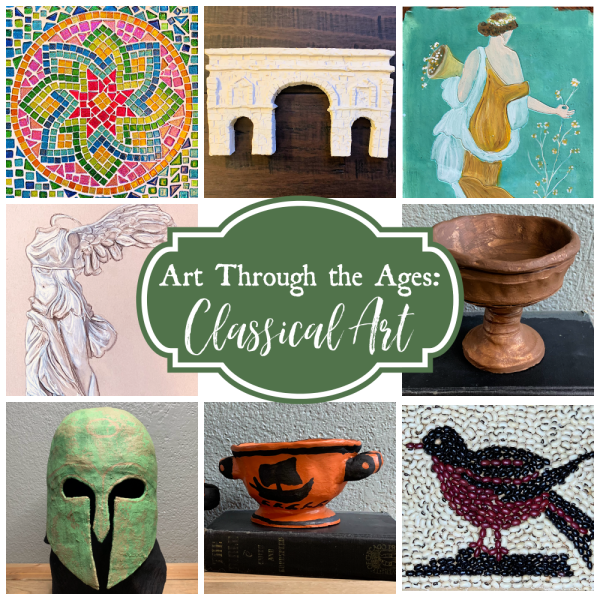
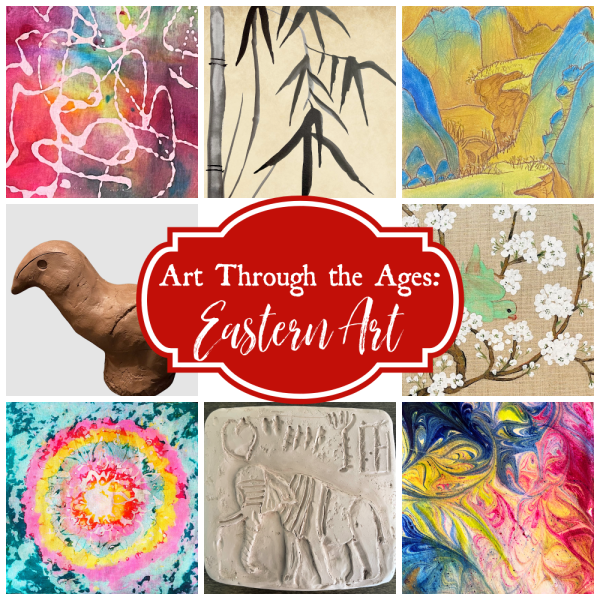
Find a flexible middle school art curriculum for homeschoolers with step-by-step drawing, watercolor, painting, pastels, art history, and more!
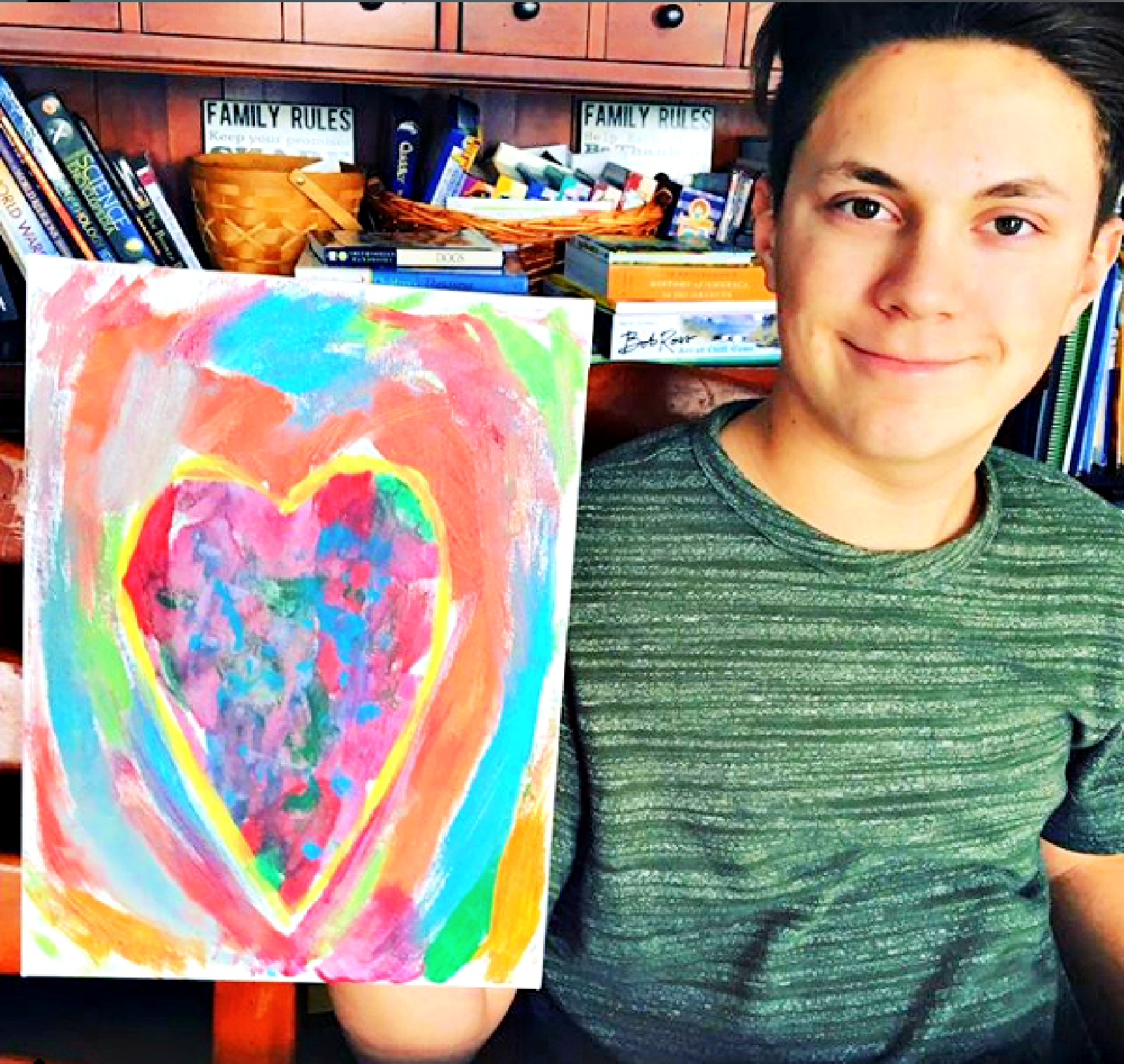
When I first began creating art lessons specifically for homeschoolers, I intentionally focused on middle school-aged students. At the time, the homeschool blogosphere seemed to be overflowing with art projects and craft ideas for preschool and elementary-aged children—but there hardly anything available for older kids.
I wanted to change that.
Middle schoolers are at such a wonderful stage creatively. They're ready to move beyond simple arts and crafts and begin developing real artistic skills, experimenting with different media, and creating artwork they're genuinely proud of. So from the very beginning, I wanted Masterpiece Society to be a place where older kids could find art lessons created with them in mind.
And all these years later, helping middle and high school students grow as artists is still one of my favorite parts of what I do...
The scribbles, experiments, and playful projects of childhood begin to give way to something new. Your student may suddenly want their drawings to look more realistic. They may become interested in watercolor, acrylic painting, pastels, or illustration. They may start comparing their artwork to what they see online—or become frustrated when what they create doesn't quite match what they imagined.
Middle school can be an exciting turning point in your child's art education.
This is also the age when many parents begin looking for a middle school art curriculum that offers more than simple crafts, but doesn't take the joy out of creating.
At Masterpiece Society, we believe middle school students need both. They need opportunities to develop real artistic skills—and plenty of room to experiment, explore, and discover their own creative voice.
Whether your middle schooler already considers themselves an artist or insists they "can't draw," a thoughtful homeschool art curriculum can help them build skills, confidence, and a lifelong appreciation for art.
What Should a Middle School Art Curriculum Include?
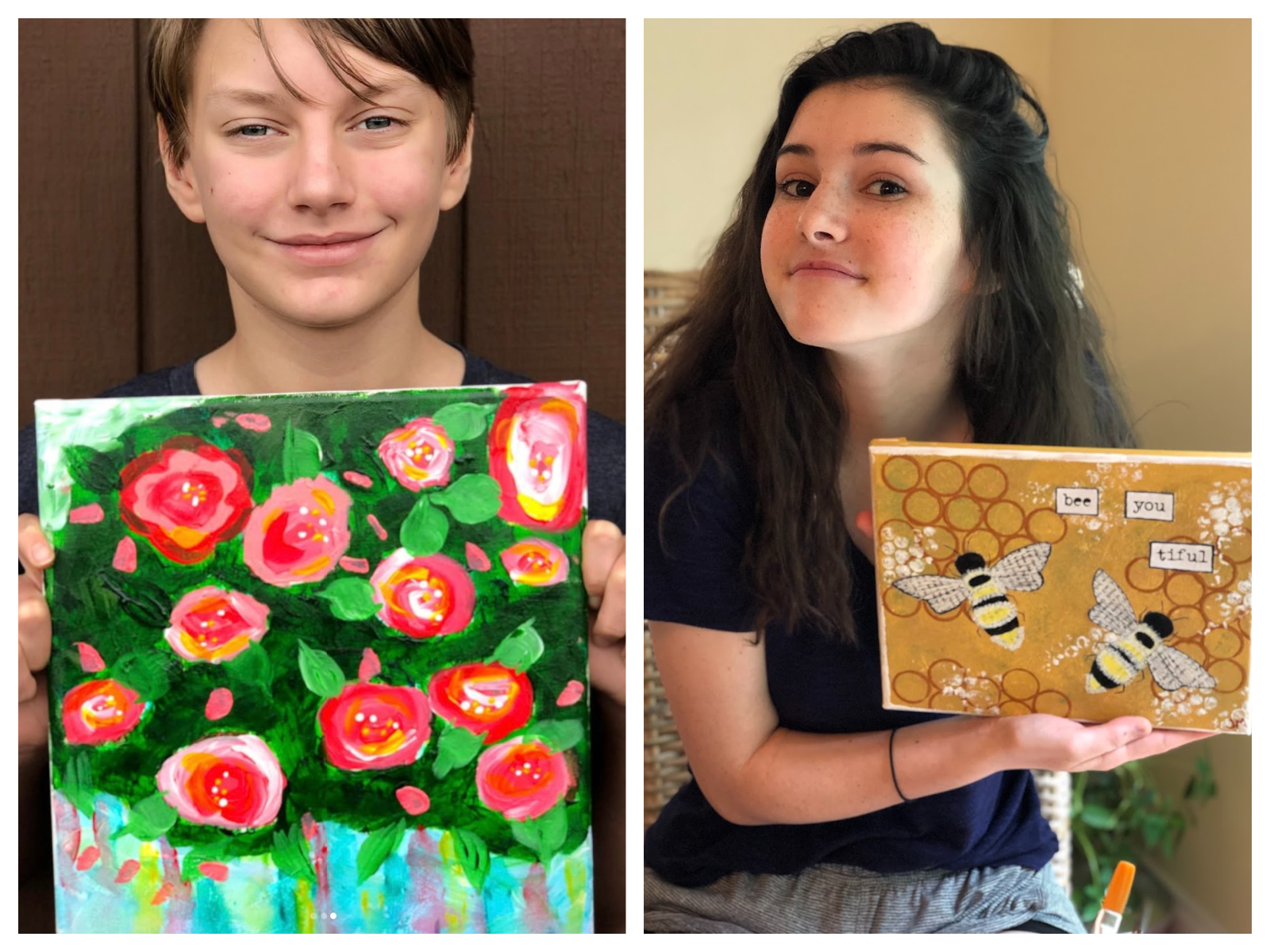
A strong middle school art curriculum should begin moving students beyond simply completing projects and help them understand how art works. Students in grades 6–8 are ready to develop greater control of their materials, learn foundational techniques, study the elements of art and principles of design, and begin making more intentional artistic choices.
That doesn't mean middle school art needs to become rigid or overly academic. Quite the opposite.
This is one of the best ages for creative exploration because students are old enough to learn more sophisticated techniques while still being wonderfully open to experimentation.
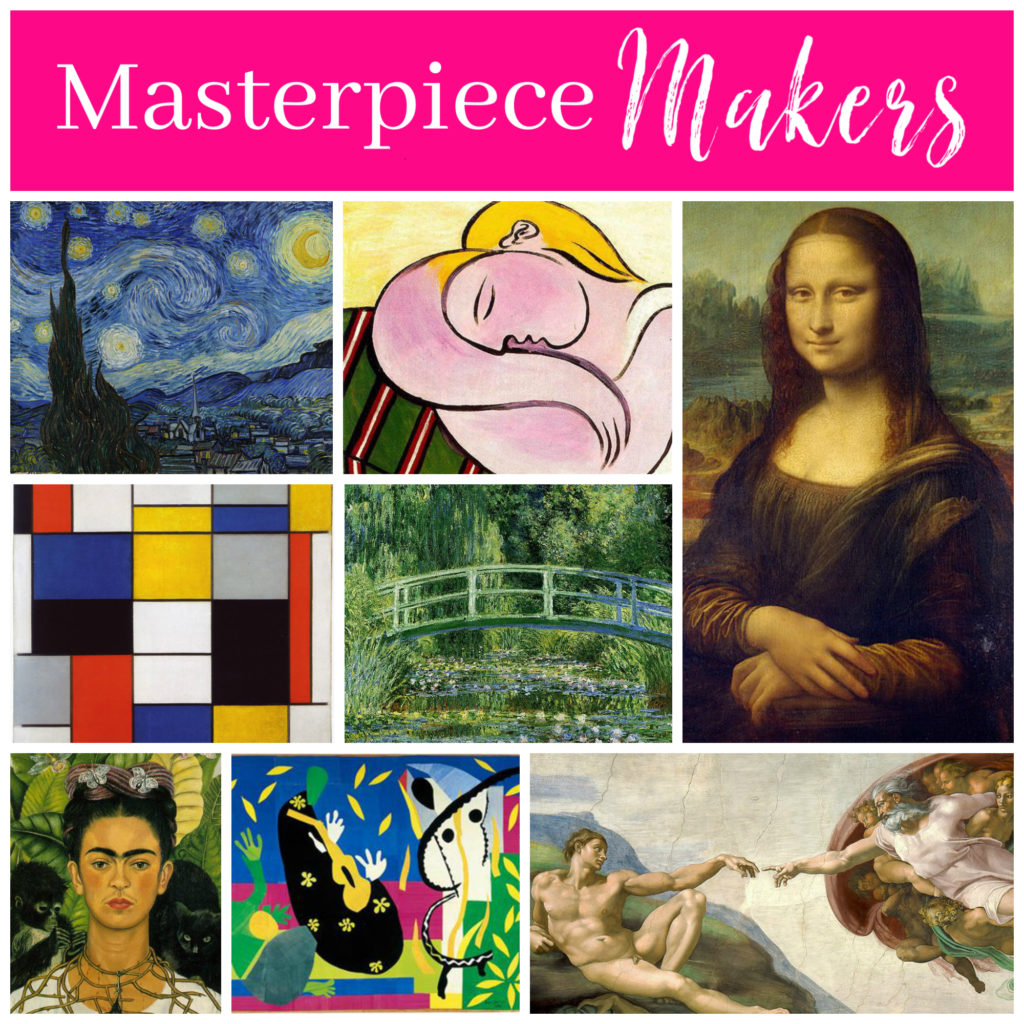
A well-rounded middle school art education can include drawing, painting, watercolor, mixed media, pastels, art appreciation, art history, creative exercises, and opportunities to work in different styles.
The goal isn't simply to produce beautiful finished projects. It's to help your student learn to see, think, experiment, problem-solve, and create like an artist.
Why Art Matters During the Middle School Years
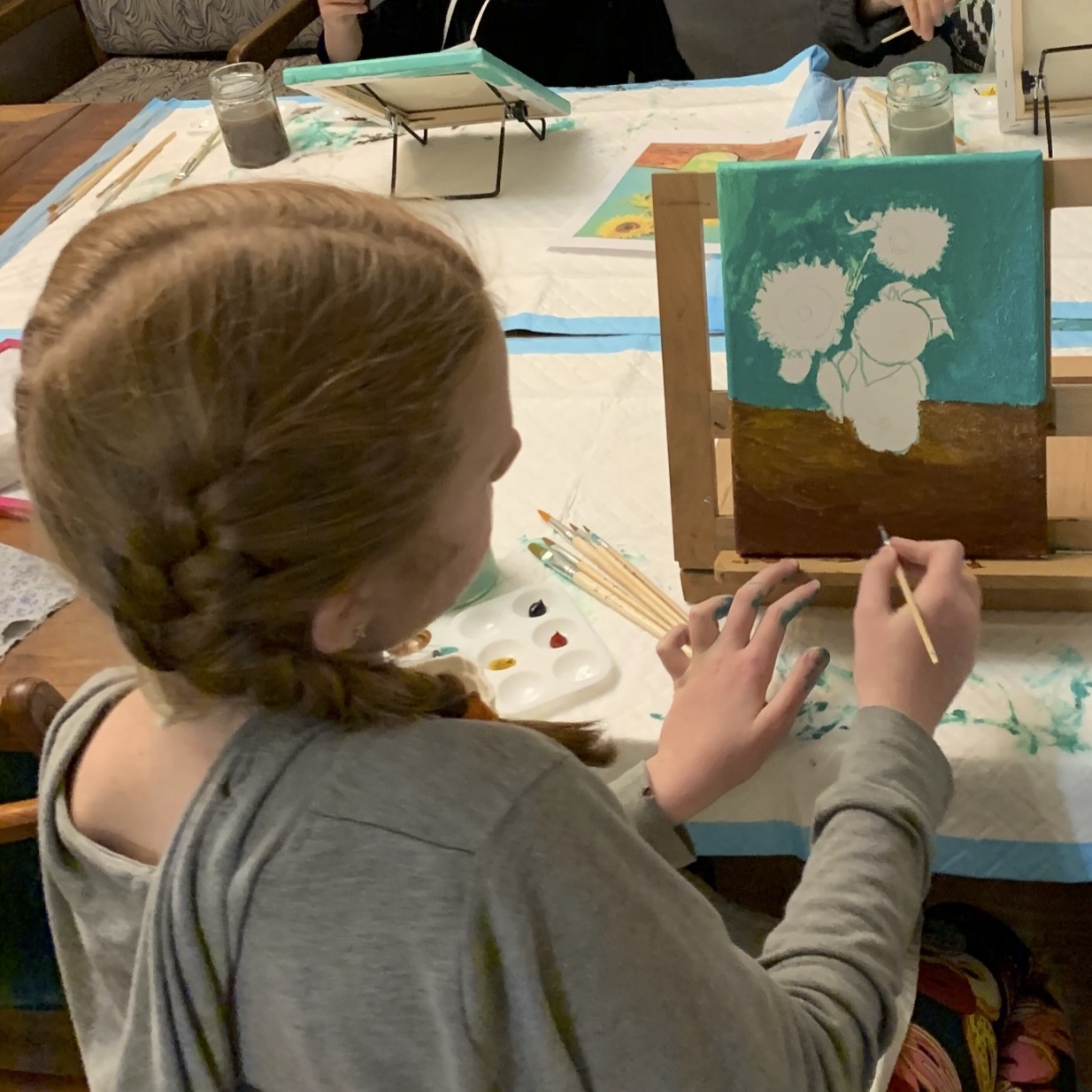
Middle schoolers are beginning to develop stronger opinions about what they like, what they're good at, and who they are. Art gives them a place to explore all of that.
Creating artwork requires observation, patience, decision-making, persistence, and problem-solving. Students learn that mistakes can become part of the creative process and that there is often more than one solution to a problem. Art also gives middle school students something increasingly rare: permission to slow down and make something with their own hands.
But there is another important reason to continue art during these years. Many children who happily created artwork when they were younger begin saying: "I'm not good at art."
Often, what has actually happened is that their artistic expectations have developed faster than their technical skills. They can see what they want to create, but they don't yet know how to create it. That's where instruction can make an enormous difference.
Instead of concluding that they aren't artistic, students can learn techniques that help close the gap between what they imagine and what they're able to put on paper or canvas.
What Middle School Students Should Learn in Art
There isn't one rigid checklist every middle school student must complete. Art education should leave plenty of room for interests, experimentation, and individual development. However, these years are an excellent time to introduce or strengthen several foundational areas:
Drawing Skills
Drawing is one of the foundations of visual art. Middle school students can begin developing skills such as careful observation, proportion, contour drawing, value, shading, texture, perspective, composition, and basic portraiture. Even students who prefer painting benefit tremendously from learning to draw.
And no—your child doesn't need to have been "born talented" to improve. Drawing is a skill that can be learned.
Painting Techniques
Middle school students are also ready to move beyond simply putting paint on a page and begin understanding how different painting media behave.
They can experiment with watercolor techniques such as washes, layering, wet-on-wet painting, and color mixing, while also exploring the different qualities of acrylics, oils, or other painting media. Learning how materials work gives students greater freedom because they have more tools available to express their ideas.
Color Theory
Rather than simply memorizing a color wheel, students can begin applying color theory to their own artwork. They can experiment with complementary colors, analogous colors, warm and cool palettes, value, saturation, and color relationships. This is where color theory becomes much more interesting—because students begin seeing how artists actually use color.
Composition and Design
Why does one artwork immediately capture your attention while another feels awkward or unfinished? Middle school students can begin exploring the principles behind those differences. They can learn about balance, emphasis, contrast, movement, pattern, rhythm, unity, variety, and other principles of design while applying them directly to their own artwork.
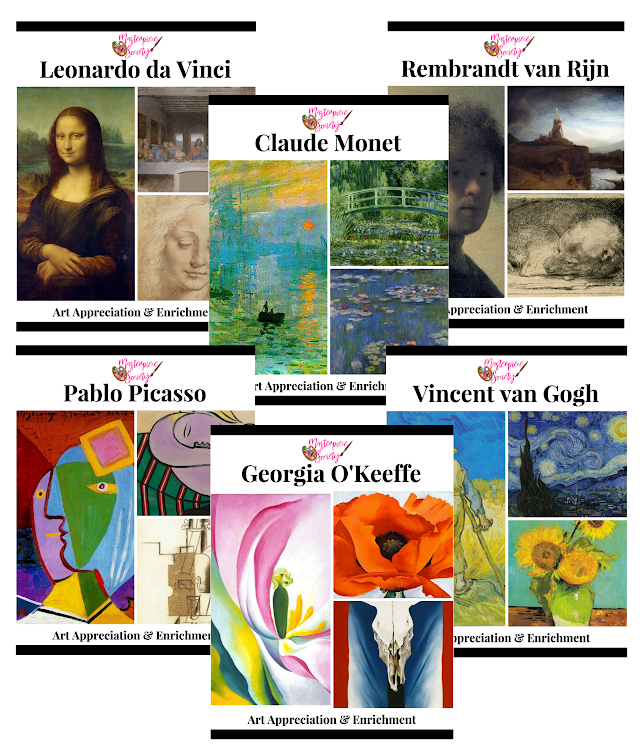
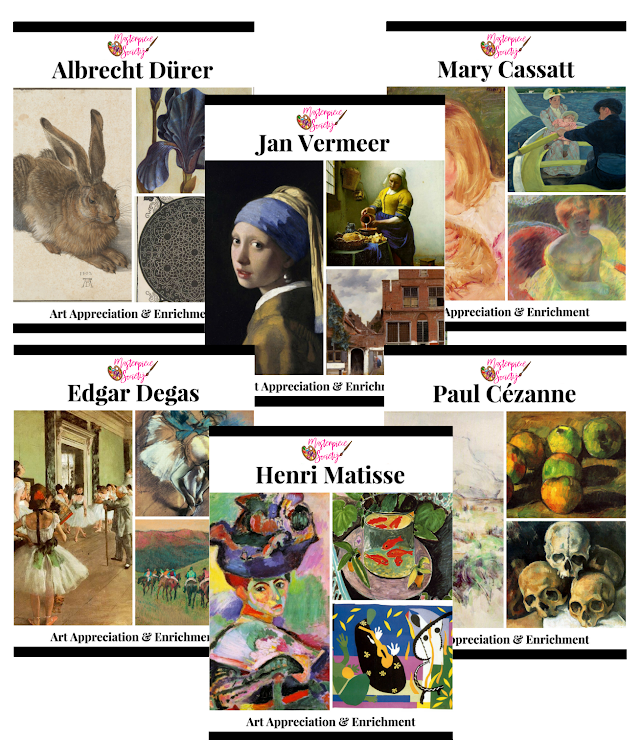
Art History and Art Appreciation
Middle school is also a wonderful age to begin looking more deeply at the work of great artists. Instead of memorizing endless dates and names, students can learn to observe artwork carefully.
- What do they notice?
- How did the artist use color?
- Where does the eye travel?
- What materials or techniques were used?
- What was happening historically when the artwork was created?
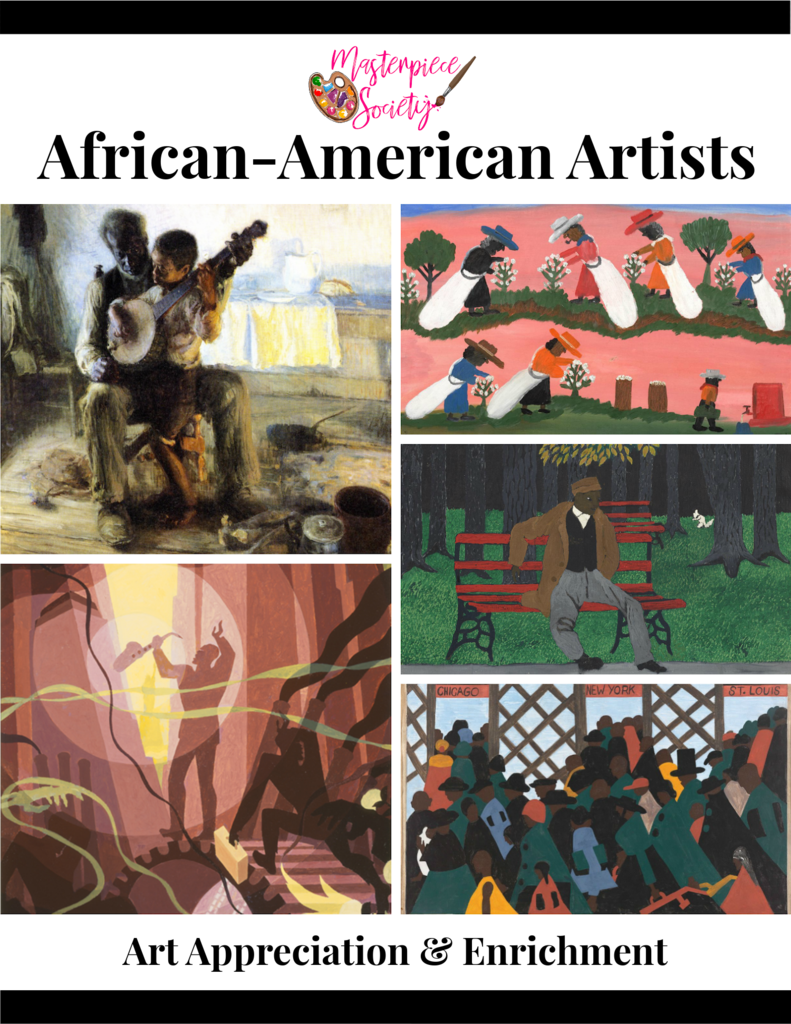
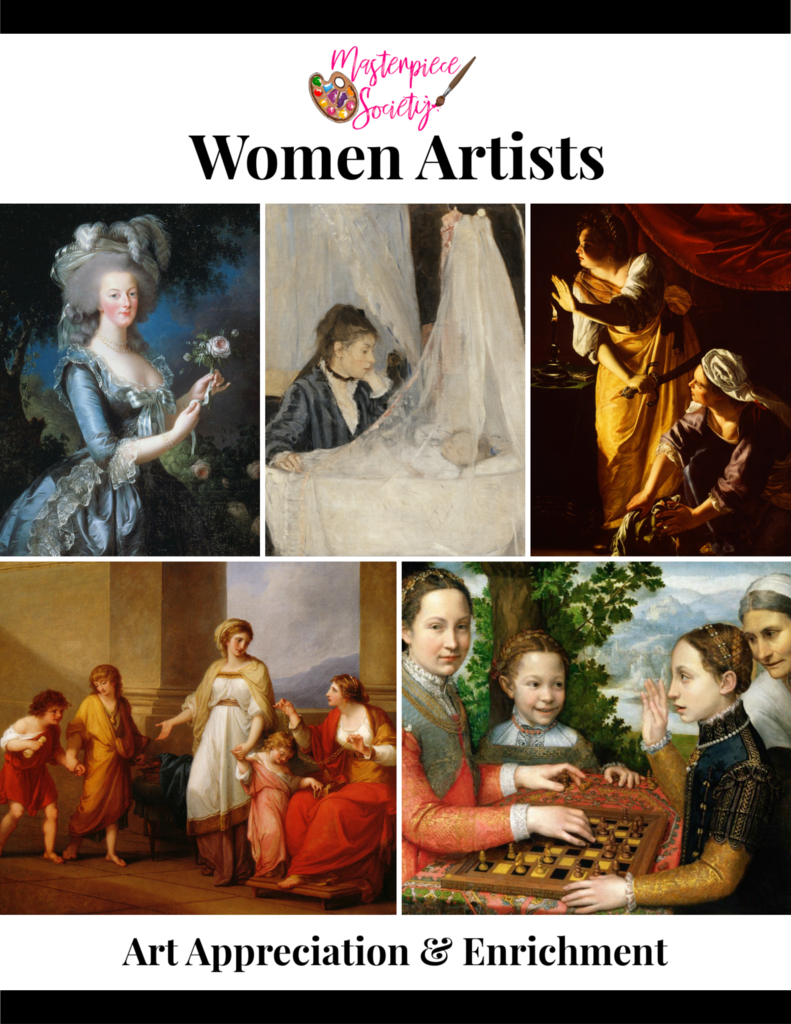
Studying artists from different cultures, movements, and time periods helps students understand that art doesn't happen in isolation. It is connected to history, ideas, beliefs, culture, technology, and the lives of real people.
And, perhaps most importantly, studying great art gives young artists an enormous visual vocabulary from which to draw inspiration.
Middle School Art Doesn't Have to Mean More Work for Mom
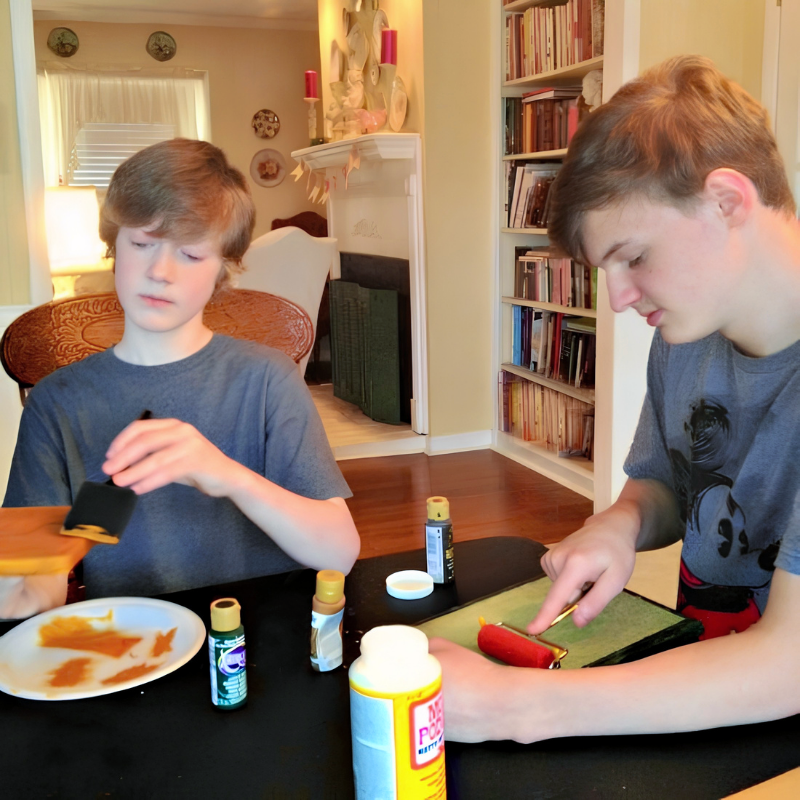
Here's where homeschool art sometimes falls apart. You know art is important. Your child wants to create. You may even own an impressive collection of art supplies. But then you're expected to figure out what to teach, find a project, determine which supplies are needed, learn the technique yourself, explain it to your child, and somehow fit the whole thing into an already full homeschool week.
So art keeps getting pushed to Friday...Then next Friday...Then next month...
That's exactly why I created Masterpiece Society. You shouldn't need an art degree—or hours of preparation—to give your child an excellent art education. With step-by-step online instruction, your middle school student can learn directly from an experienced art teacher while you get to step out of the role of having to teach every technique yourself.
You provide the supplies, press play, and let us guide them through the creative process.
Online Middle School Art Classes Through Masterpiece Society

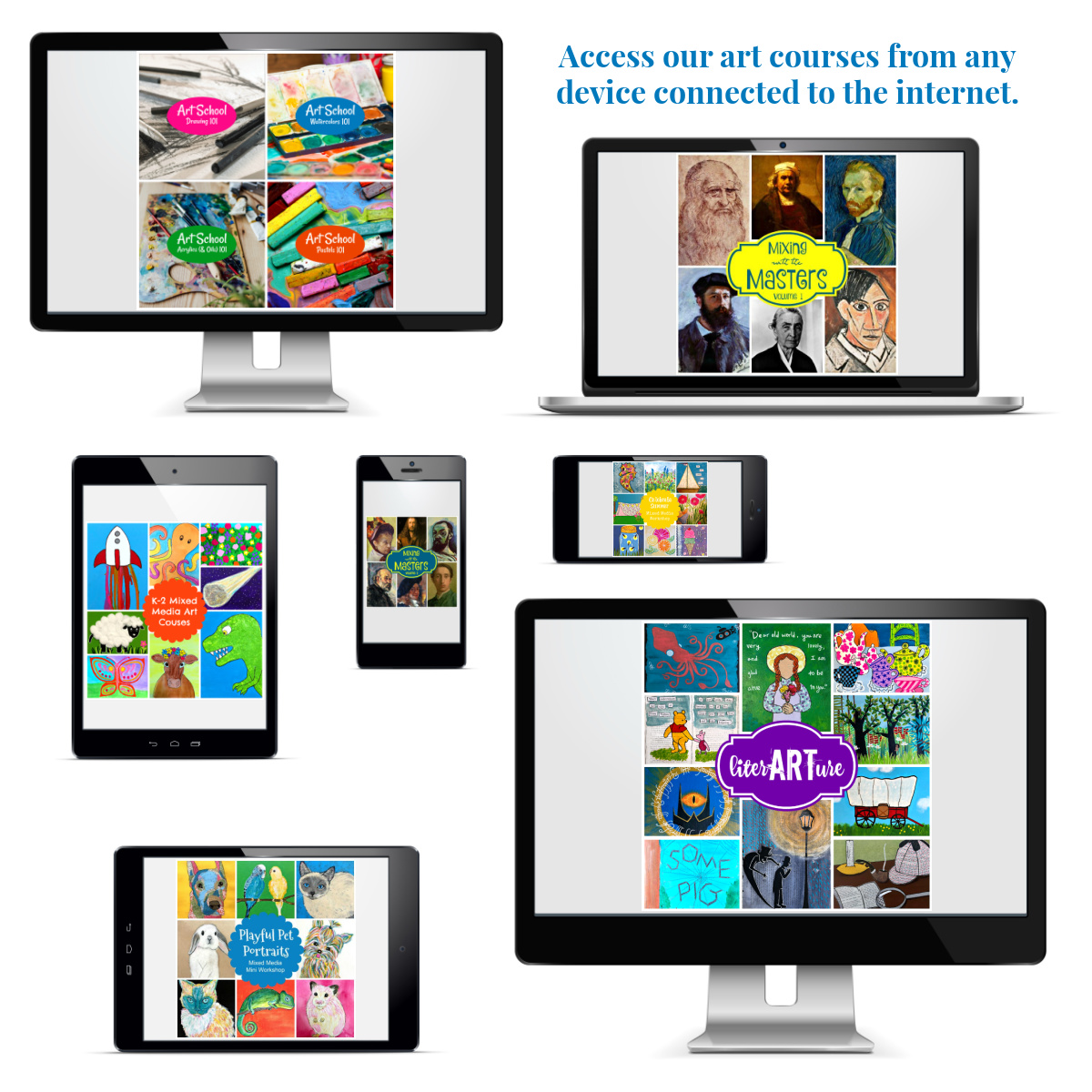
Masterpiece Society Studio gives homeschool families access to a large library of step-by-step art courses and lessons for a wide range of ages and skill levels. That makes it especially helpful during the middle school years. Instead of being locked into a single textbook or one narrow sequence of projects, students can experience drawing, watercolor, painting, pastels, mixed media, art history, art appreciation, seasonal art, and much more.
Some middle schoolers will still love creating alongside younger siblings. Others will be ready to move into more advanced instruction. Both are completely normal.
The flexibility of the Studio allows you to meet your student where they are rather than choosing art solely according to the number printed beside their grade level.
A Natural Bridge to Art School
For middle school students who are ready for more focused skill development, the Masterpiece Society Art School courses provide a natural next step. These courses were designed for older students who want to develop stronger foundational art skills and spend more time learning specific media.
Students can explore:
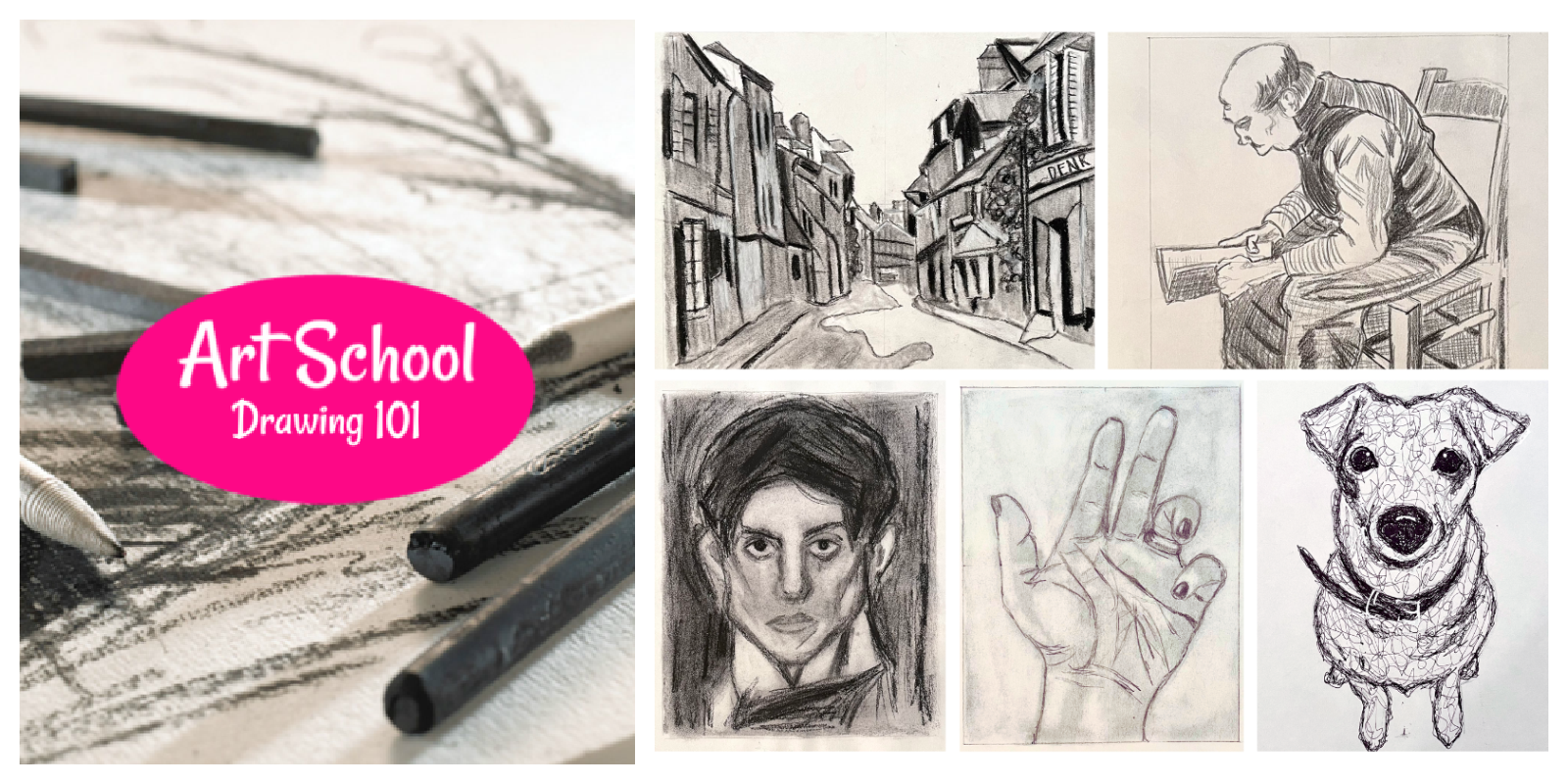
Drawing 101 — foundational drawing skills including observation, value, shading, proportion, perspective, portraiture, and other essential techniques.
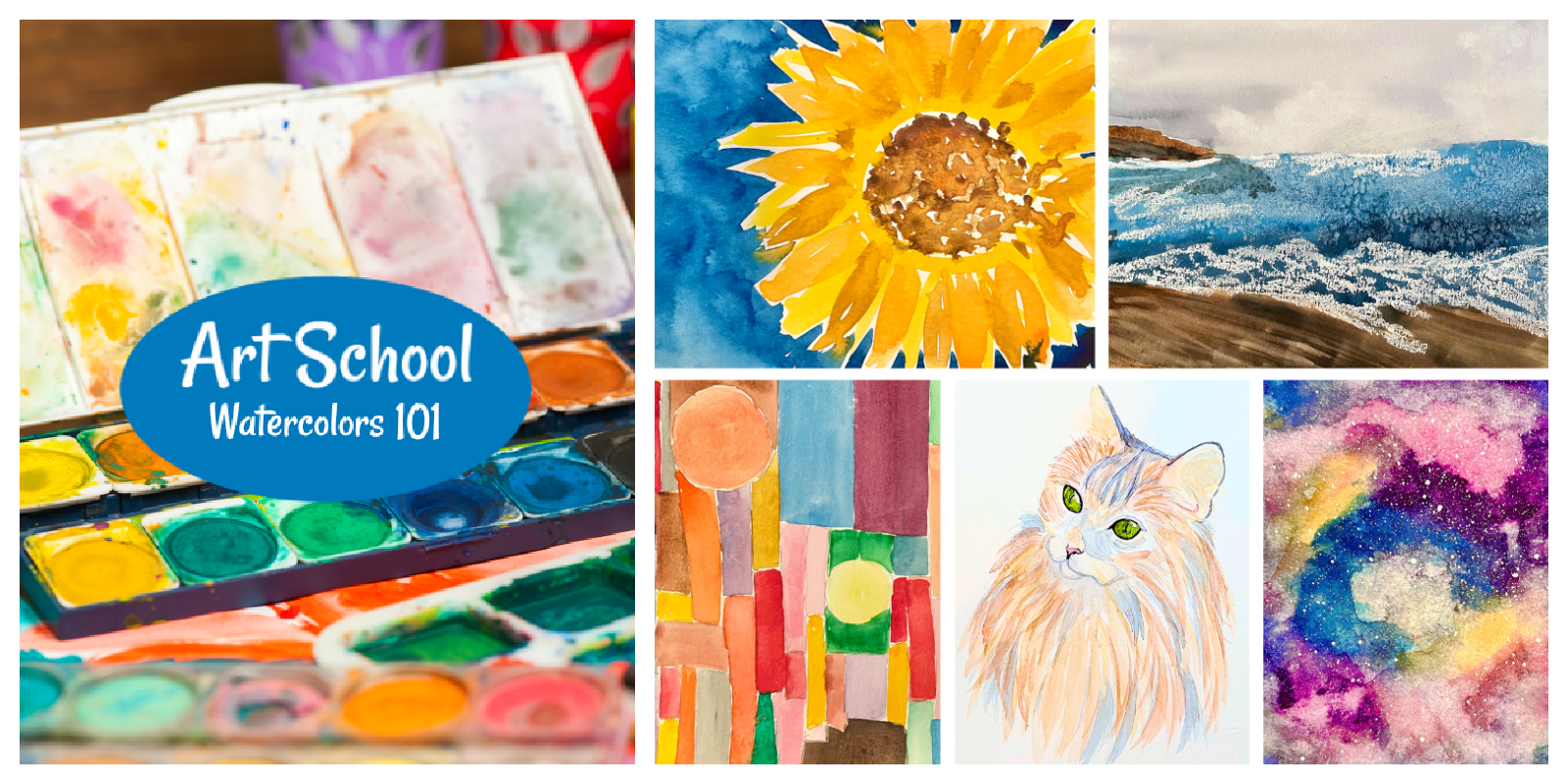
Watercolors 101 — a deeper exploration of watercolor materials and techniques while developing confidence and control with the medium.
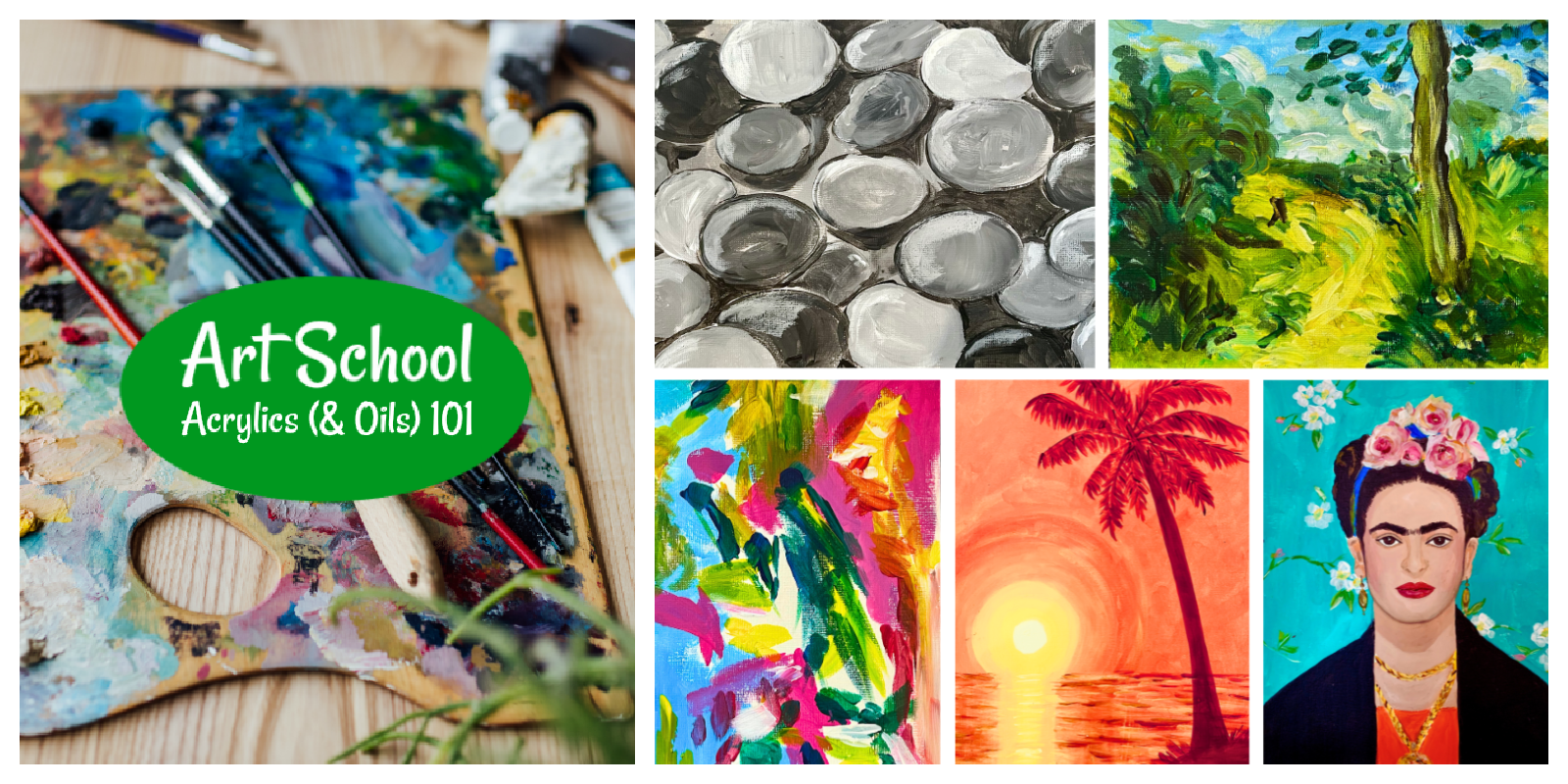
Acrylics & Oils 101 — instruction in painting techniques, color, composition, and working with acrylic and oil paints.
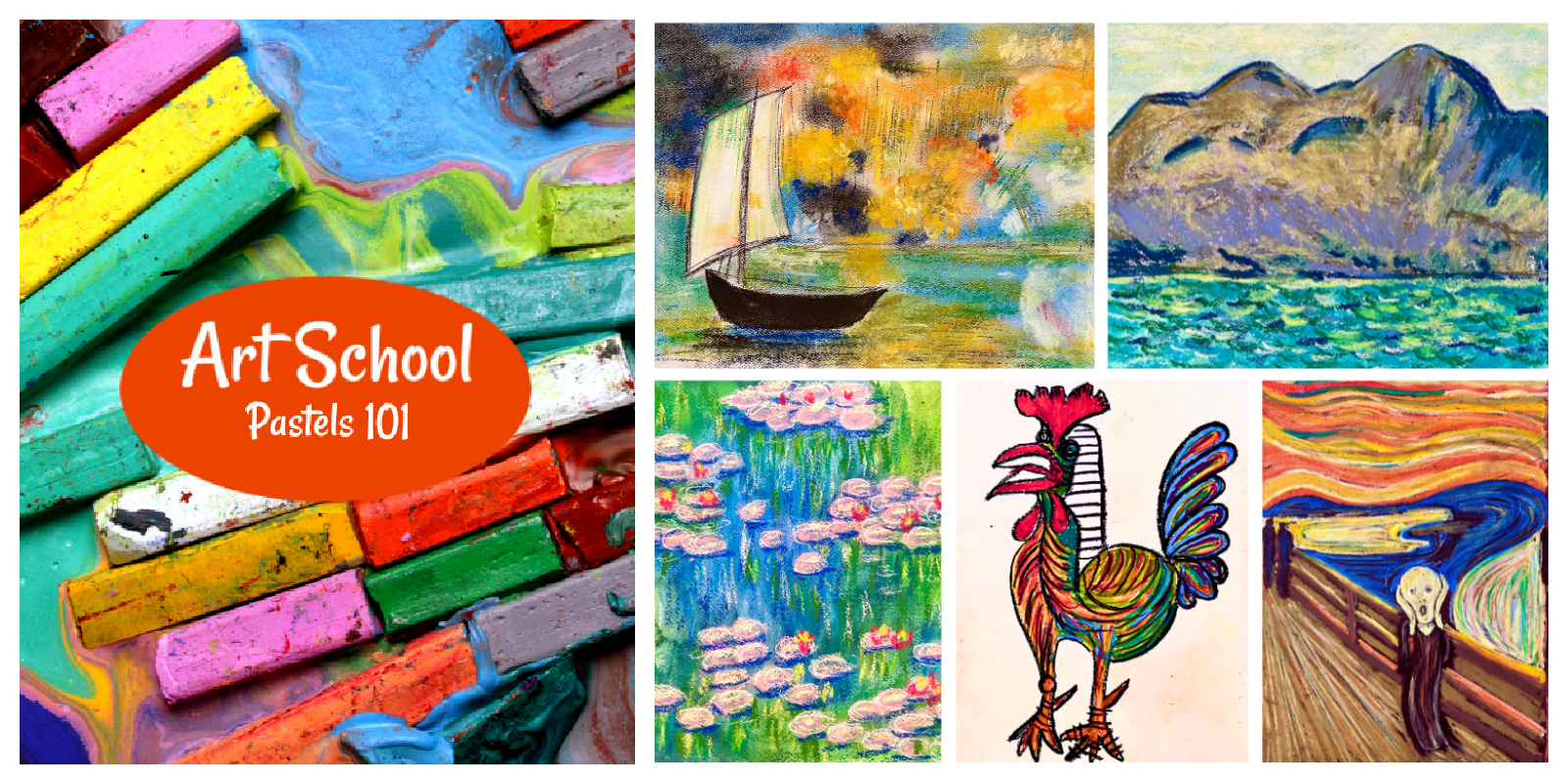
Pastels 101 — opportunities to explore the rich color, layering, blending, and expressive possibilities of pastel.
A motivated seventh or eighth grader may be ready to begin working through these courses, while another student may prefer to continue exploring shorter projects before moving into more intensive study.
There is no need to rush.
One of the great advantages of homeschooling is being able to choose instruction based on readiness rather than an arbitrary grade level.
What If My Middle Schooler Says They're "Not Artistic"?
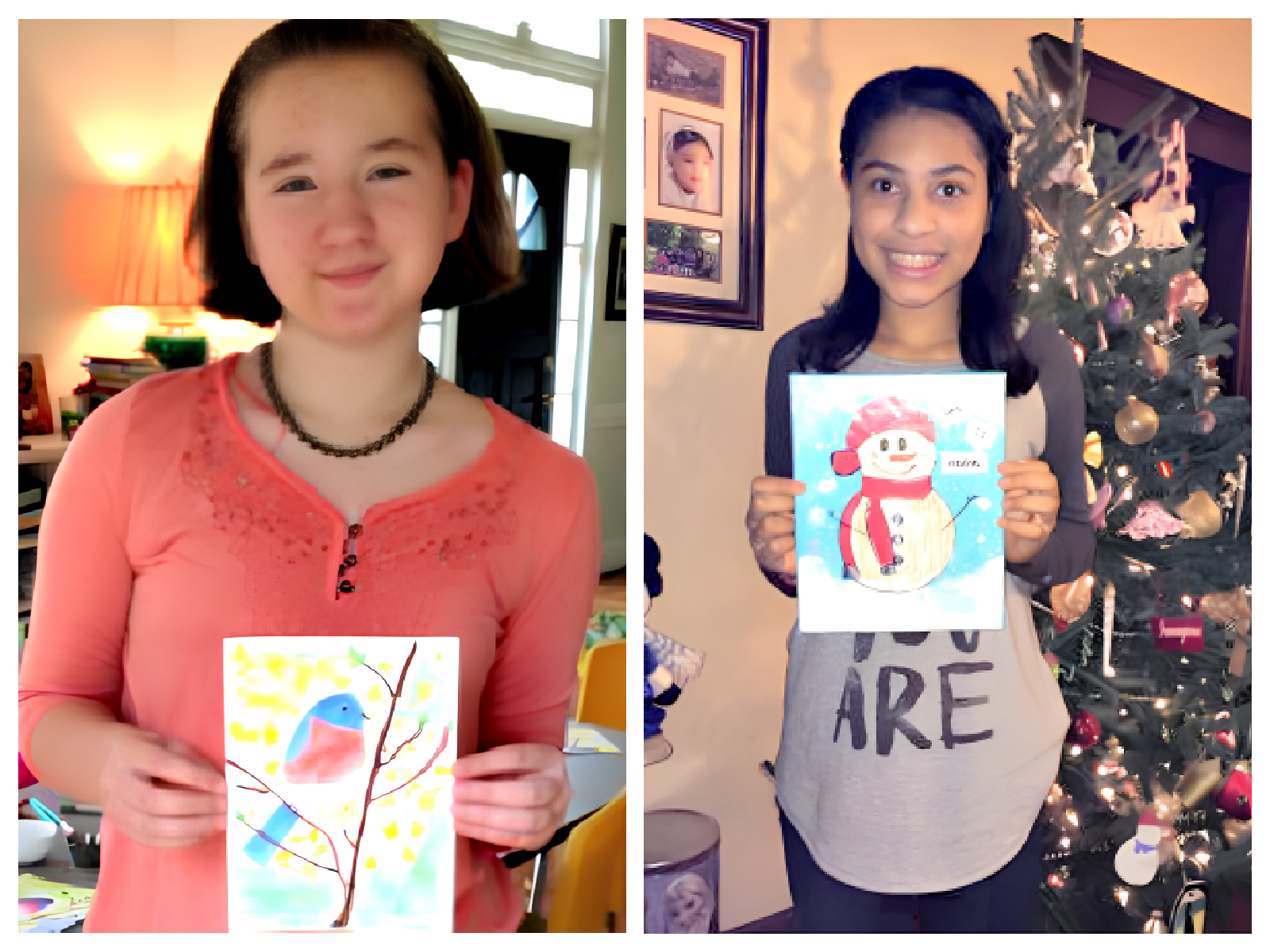
Enroll them anyway. Not because every child needs to become an artist, but because art isn't reserved for people who already happen to be good at it.
We don't expect children to know algebra before taking algebra. We don't expect them to speak French before taking French. Yet somehow, children often decide they shouldn't take art because they "aren't good at drawing." That's exactly why we teach them.
A student who struggles with drawing can learn observation, proportion, shading, and perspective. A student intimidated by watercolor can learn how much water to use, how colors behave, and how to build layers. A student who thinks they aren't creative can discover that creativity isn't a mysterious talent possessed by a lucky few.
It grows through practice.
Middle school art should give students a safe place to try, make mistakes, learn techniques, and experience the satisfaction of realizing: "Wait. I actually made that."
That moment matters.
What If My Child Is Already a Serious Artist?
Then middle school is an excellent time to begin giving them more intentional instruction. Students who constantly sketch, paint, illustrate characters, fill notebooks, or watch art tutorials on their own are telling you something.
Pay attention. They may not ultimately pursue an art career—and they don't have to—but giving them strong foundational skills now can open doors later.
A serious young artist can begin working more systematically through drawing and painting techniques, experimenting with different media, studying artists, keeping sketchbooks, creating finished pieces, and eventually beginning to think about building an art portfolio. These years can provide a wonderful foundation for more advanced high school art.
Art Curriculum for Multiple Ages
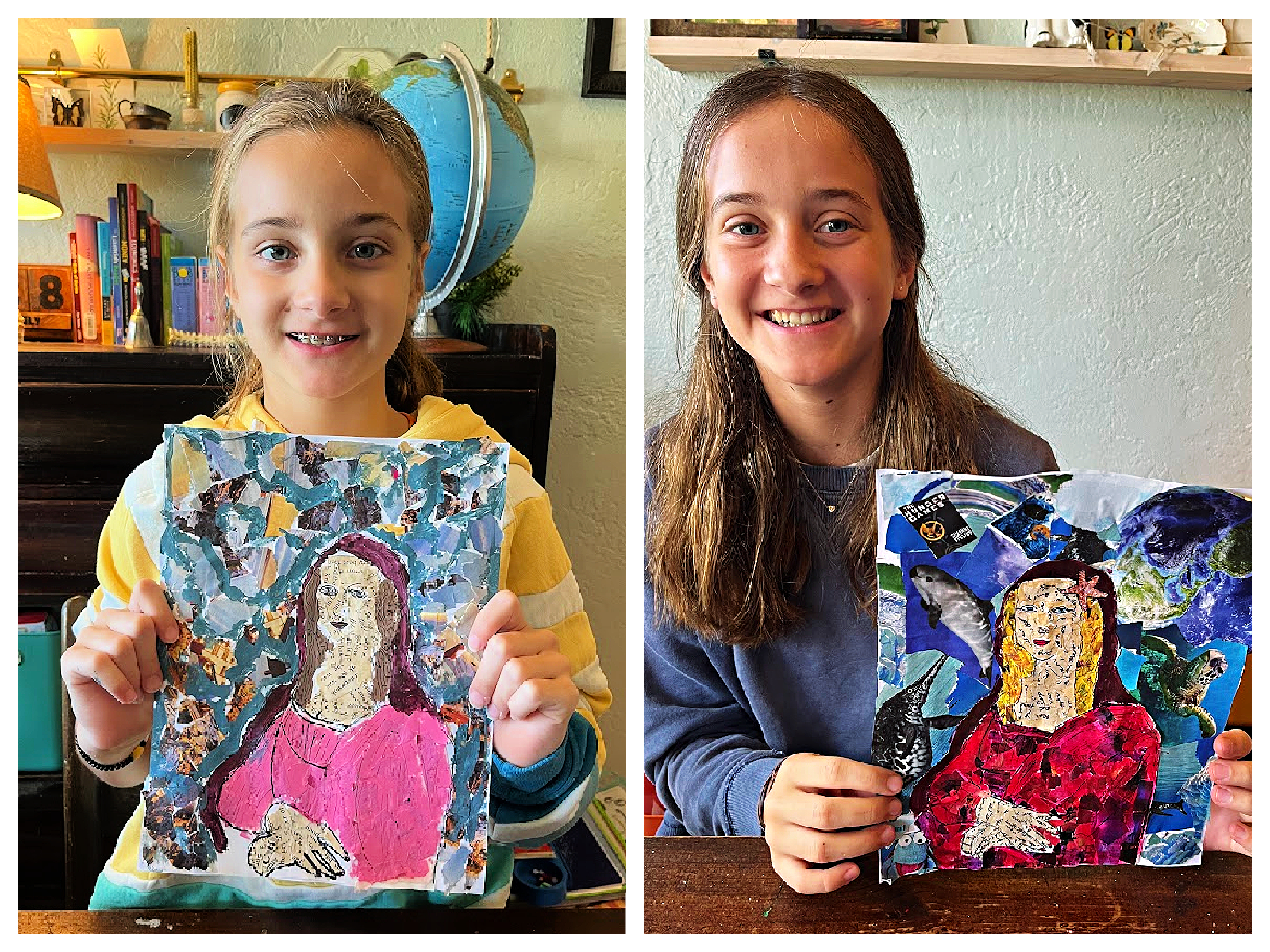
Of course, many homeschool families aren't teaching just one middle schooler. You may have a second grader, fifth grader, and seventh grader sitting around the same kitchen table.
The good news is that art is one of the easiest subjects to enjoy together.
Many Masterpiece Society lessons can be used across a broad range of ages, with younger children approaching a project more simply while older students add greater detail, technique, and complexity.
This means you don't necessarily need three separate art programs for three different children. You can enjoy creating together when it makes sense—and allow your middle school student to branch into more advanced instruction when they're ready. That's one of the reasons we've intentionally built Masterpiece Society around flexibility rather than rigid grade-level boxes.
How Often Should Middle School Students Do Art?
You don't need to turn art into a daily academic subject for it to become a meaningful part of your homeschool. For many families, one intentional art session each week is an excellent place to begin.
Over a typical 36-week homeschool year, that's 36 opportunities to draw, paint, experiment, study an artist, or learn a new technique. That adds up. If your child loves art, they may naturally spend much more time creating independently. But even one consistent weekly lesson can provide a strong rhythm for students who wouldn't otherwise choose art on their own.
The key is consistency.
I'd much rather see a family enjoy art once a week throughout the year than create an ambitious schedule that becomes overwhelming and disappears by October.
An Easy 36-Week Middle School Art Curriculum

If you want an especially simple way to make art part of your homeschool year, The Artful Year was created for exactly this kind of flexibility. It includes 36 art lessons for 36 weeks, drawing from 18 different Masterpiece Society courses.
Rather than spending the entire year studying only one medium, students get to experience a variety of projects, techniques, styles, and materials. Simply schedule one lesson each week. That's your art year.
For families who want a manageable homeschool art curriculum without having to piece together weekly lessons themselves, The Artful Year provides an easy starting point.
And if your middle school student discovers that they particularly love drawing, watercolor, painting, or another medium, you can then allow them to go deeper.
A Sample Middle School Art Schedule
You don't need an elaborate plan. A simple year might look something like this:
- Fall: Drawing fundamentals, nature-inspired art, watercolor, and projects connected to artists or art history.
- Winter: Painting techniques, seasonal projects, portraiture, color studies, and mixed media.
- Spring: Pastels, watercolor, drawing from observation, modern art, and independent creative projects.
Another option is simply to follow The Artful Year from beginning to end and let the curriculum provide your weekly rhythm.
For students working through an Art School course, you might devote an entire semester—or even a full year—to one medium.
There is no single correct sequence. Your curriculum should serve your homeschool, not the other way around.
Supplies for Middle School Art
You also don't need to purchase an entire art store before beginning.
A useful middle school art supply collection might include drawing pencils, a good eraser, sketching/drawing paper, watercolor paints and brushes, watercolor paper, acrylic paints, paintbrushes, mixed-media paper, pastels, markers, and possibly a sketchbook. Add specialty supplies as individual projects require them.
Whenever possible, invest in decent-quality student materials rather than the very cheapest children's supplies. Better materials often make techniques easier to learn and the creative process far less frustrating. But don't feel like you need professional artist supplies, either. Start with what you have and build your collection gradually.
Can Middle School Art Count as a Homeschool Subject?
Yes. Art can absolutely be an intentional part of your middle school homeschool curriculum. You can keep a simple record of courses completed, projects created, artists studied, techniques practiced, books or resources used, and approximate time spent on art.
Saving photographs of finished work is another easy way to document progress. This becomes particularly helpful as your student approaches high school, when you may want to keep more detailed records and begin thinking about high school fine arts requirements or an art portfolio.
From Middle School Art to High School Art
One of the greatest benefits of giving students a strong middle school foundation is that high school art doesn't have to begin from zero.
By the time students reach ninth grade, they may already understand basic drawing techniques, color theory, composition, watercolor, painting, pastels, art terminology, and the creative process.
Students who want to continue can move into more focused study through Art School, work toward completing finished pieces, and begin developing a portfolio that demonstrates both technical growth and personal artistic interests.
And students who don't want advanced art study? They've still gained something valuable. They've learned to notice beauty, appreciate great art, work creatively, persist through frustration, and make something that didn't exist before.
That's a worthwhile education.
Choose a Middle School Art Curriculum That Leaves Room for Creativity
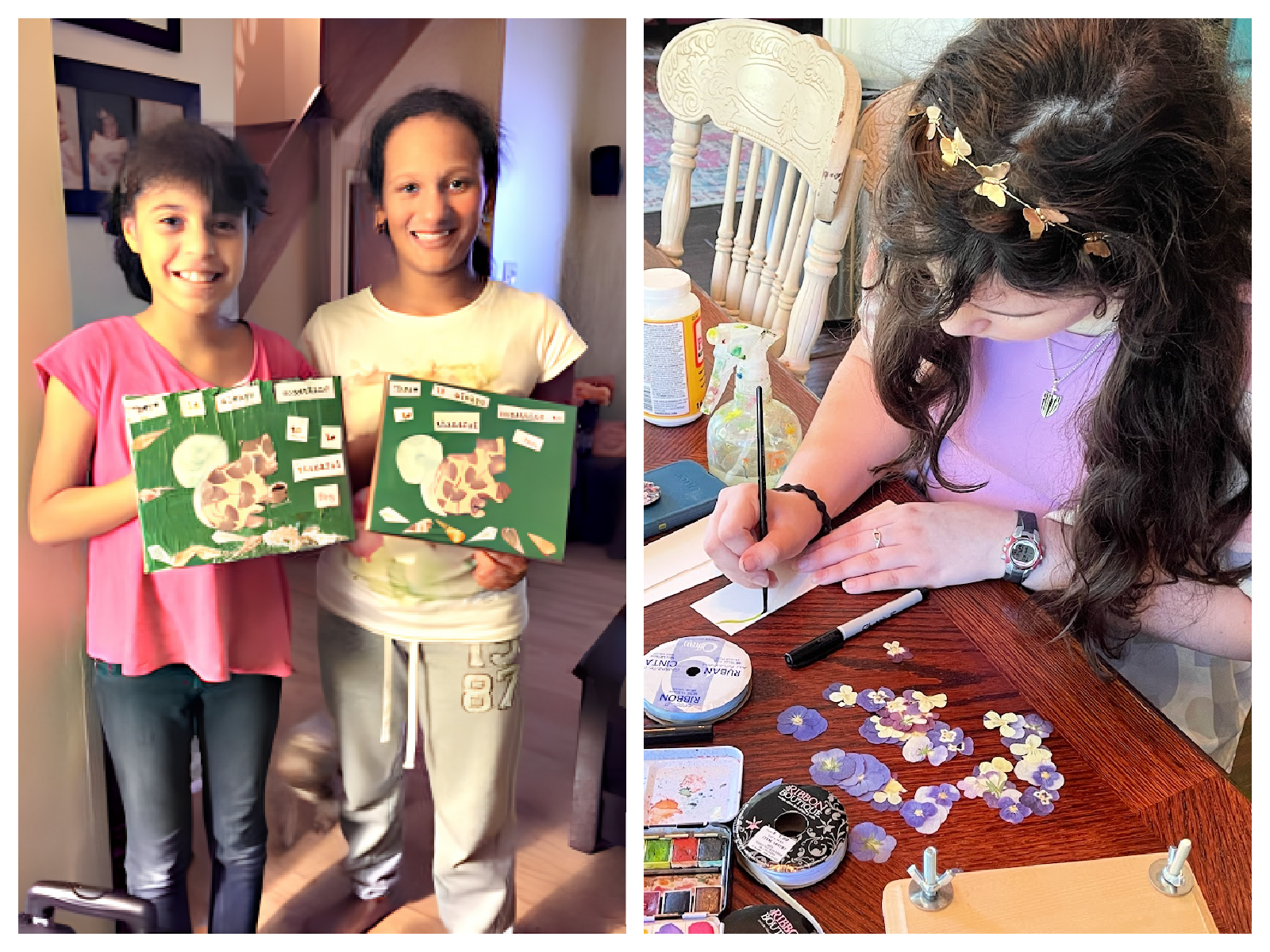
The middle school years don't have to be the point when art quietly disappears from your homeschool. They can be the years when art becomes even more meaningful.
Your child is old enough to develop genuine skills but still young enough to explore without needing to know where any of it will lead.
Give them good instruction. Give them quality materials. Introduce them to great artists. Let them experiment with different media. And give them permission to create imperfect things while they're learning.
Whether your student wants one enjoyable art lesson each week or is already dreaming about becoming an artist, Masterpiece Society can help you build an art education that grows with them.
Explore Masterpiece Society Studio to discover step-by-step homeschool art lessons for middle school students and the rest of your family.
Or, if your older middle school student is ready for more focused skill development, explore Art School and begin building a strong foundation in drawing, watercolor, painting, and pastels.
Because the goal isn't to raise children who can perfectly copy an art project.
It's to raise young people who know how to observe, imagine, experiment—and create.