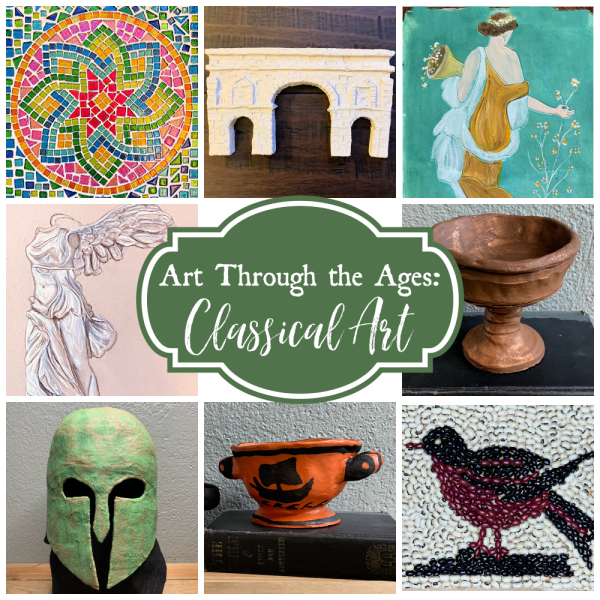
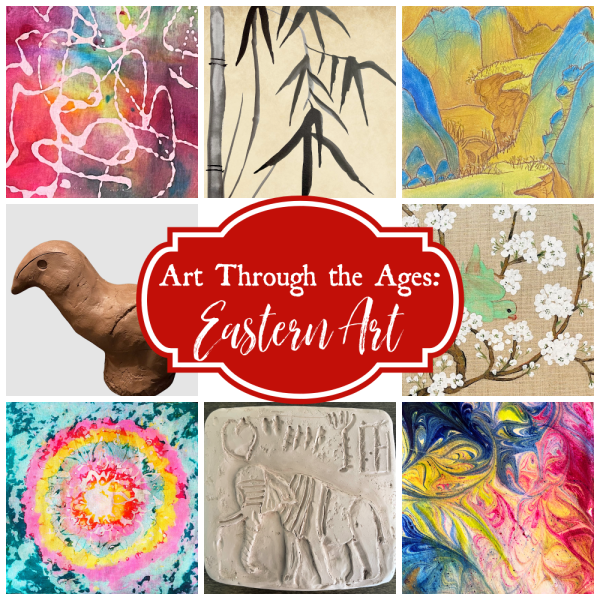
Want an elementary homeschool art curriculum that makes creativity easy? Explore drawing, painting, seasonal mixed media, famous artists, and more!
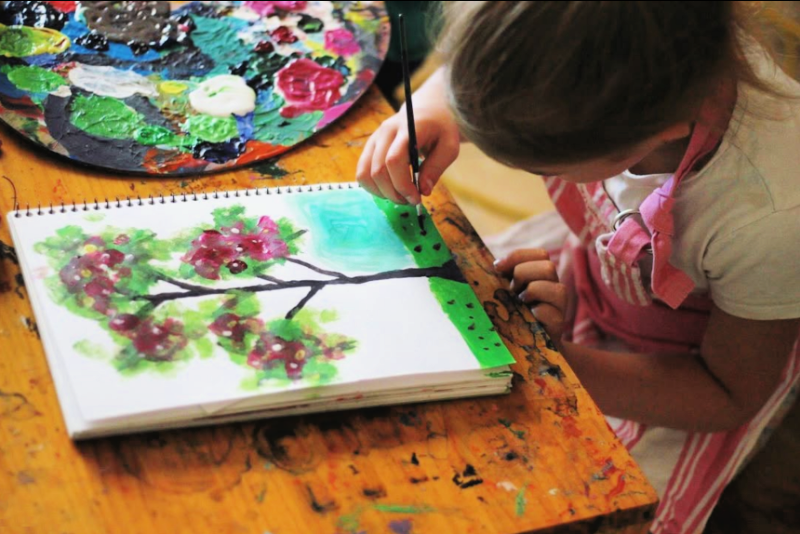
Paint on the table...Pastels on little fingers...A collection of finished masterpieces covering the refrigerator or wall...And, quite possibly, a cup of paint water sitting dangerously close to someone's actual drinking water. 😳
Welcome to elementary art!
These are some of my favorite years for teaching art because young children are usually still wonderfully willing to experiment. They haven't yet decided they're "not artistic." They'll experiment with colors, try new materials, make unexpected choices, and often approach a project in ways we never would have imagined.
At this age, creating still feels like an adventure. They haven't yet become overly concerned with whether they're doing it "right"—and that's something worth protecting.
But the elementary years are also the perfect time to begin gently introducing children to real art materials, techniques, artists, and foundational art concepts. You don't need to choose between creativity and instruction.
A wonderful elementary homeschool art curriculum can provide both.
What Should Elementary Art Look Like?
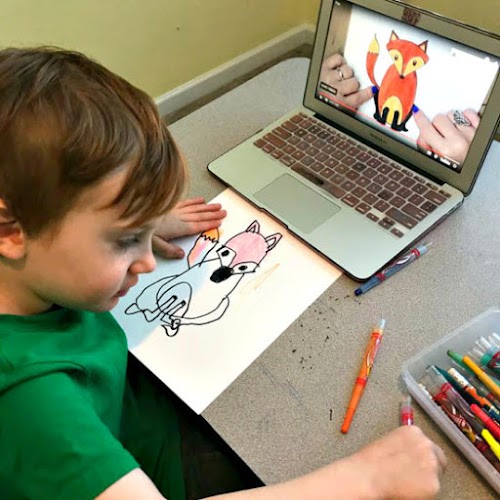
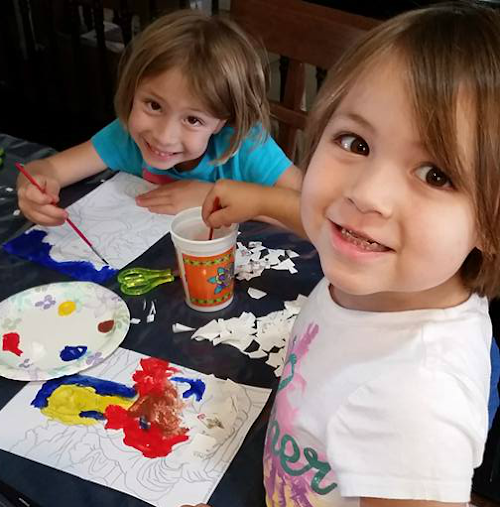
Elementary art shouldn't look like high school art taught to smaller children. Young artists need something different.
They need to cut, paint, draw, glue, blend, layer, build, mix colors, try different ideas, make mistakes, and discover what happens when they put two completely different materials together.
At this age, I don't believe the goal should be perfectly rendered drawings or artwork that looks exactly like the teacher's sample. The goal is to give children a rich foundation of creative experiences. Along the way, they'll naturally begin learning important artistic concepts such as:
- line
- shape
- color
- texture
- pattern
- value
- form
- space
- composition
- color mixing
- observation
- basic drawing and painting techniques
But those concepts can be introduced through projects that still feel playful and exciting. Elementary art should feel like discovery.
Why Art Matters in the Elementary Years
It's easy to treat art as the subject we squeeze in after math, reading, science, and history are finished. Especially in homeschool. There's always another lesson that feels more "important." But art gives children opportunities that many other subjects simply don't.
When children create art, they practice making decisions.
- Which color should I use?
- Where should I put this?
- What happens if I layer these materials?
- How can I fix this part?
- What could I try instead?
They're observing, experimenting, problem-solving, imagining, and making something that didn't exist before. They're also learning one of the most important creative lessons: Not everything has one correct answer. That matters far beyond the art table.
What Should an Elementary Homeschool Art Curriculum Include?
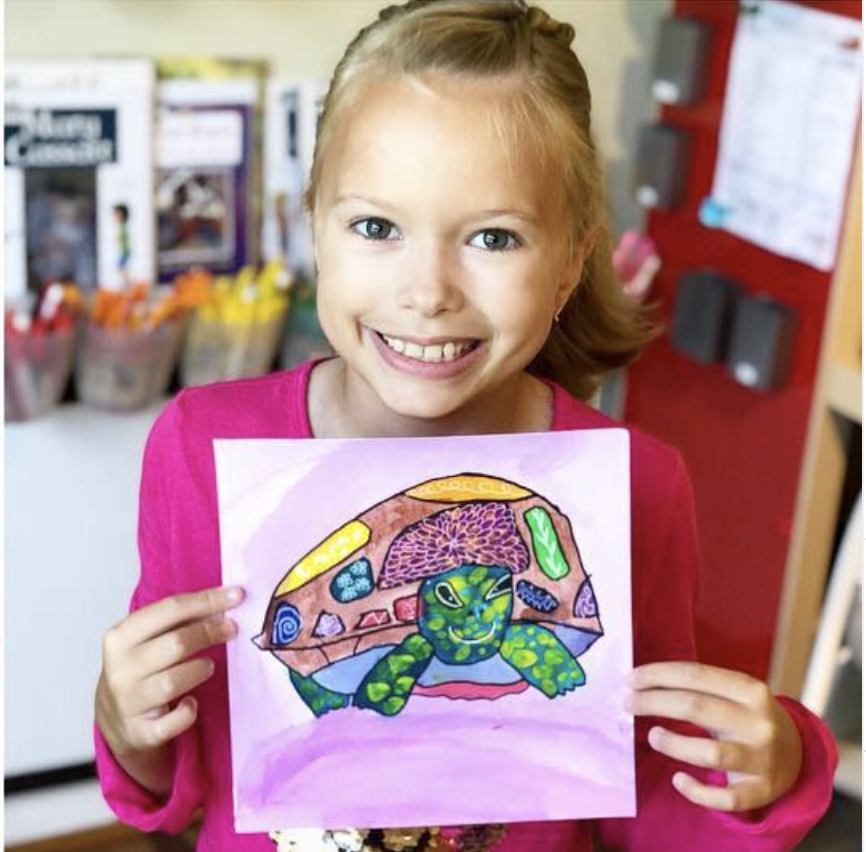
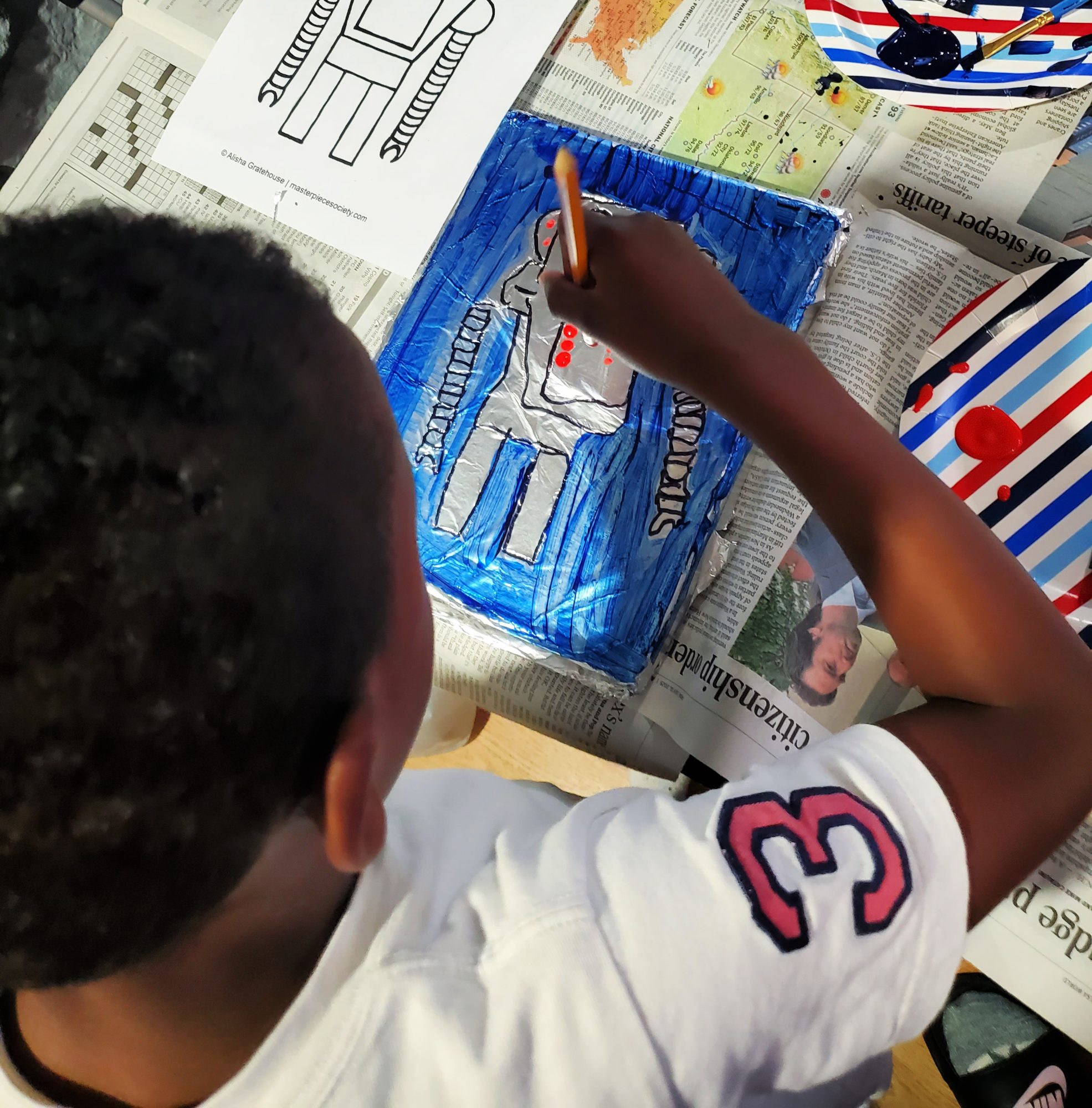
When you're choosing an art curriculum for elementary students, I recommend looking for a few key things.
1. Plenty of Hands-On Creating
Children learn art by making art. They can certainly learn about artists, art history, and artistic concepts, but those things become much more meaningful when they're connected to something children actually create.
If they're learning about warm and cool colors, let them paint with them. If they're discovering texture, give them materials that create interesting textures. If they're studying an artist, let them experiment with some of the ideas or techniques that made that artist's work distinctive.
Art should be something children experience—not merely something they read about.
2. A Variety of Art Materials
Elementary students don't need an enormous cabinet filled with expensive professional supplies. But they should have opportunities to explore more than crayons (or chalk pastels) and printer paper.
Over the elementary years, children can gradually become familiar with materials such as:
- drawing pencils
- colored pencils
- markers
- crayons
- watercolor
- tempera or acrylic paint
- oil pastels
- chalk pastels
- watercolor pencils
- ink
- collage papers
- mixed-media materials
Different materials encourage children to think and work differently. Watercolor doesn't behave like acrylic. Pastels don't feel like colored pencils. Collage requires different decisions than drawing. The more children experiment, the larger their creative toolbox becomes.
3. Foundational Art Skills
Elementary art should be playful, but that doesn't mean children aren't learning real skills. They can begin developing:
- Drawing skills: Learning to observe shapes, lines, proportions, details, and the world around them.
- Painting skills: Learning brush control, color mixing, layering, washes, texture, and different ways of applying paint.
- Color knowledge: Exploring primary and secondary colors, warm and cool colors, complementary colors, tints, shades, and color relationships.
- Composition: Beginning to think about how objects, shapes, and colors are arranged on a page.
- Observation: Learning to slow down and actually look.
These skills don't need to be taught through lectures. At this age, they can be woven naturally into the projects children are already excited to create.
4. Exposure to Great Art and Artists
Children should also have opportunities to encounter beautiful and interesting works of art. Look at paintings together. Notice colors.
Talk about what you see. Ask what they think is happening. Discover artists from different time periods, cultures, styles, and artistic movements.
You don't need to turn every painting into an art history lesson. Sometimes simply spending time looking at a beautiful work of art is enough. And when children have an opportunity to create something inspired by an artist they've just encountered, that connection becomes even stronger.
5. Room for Individual Creativity
This one is especially important to me. An art curriculum should teach children without convincing them that there is only one right way for their finished artwork to look. There's certainly value in step-by-step instruction (and we use it). Children need someone to demonstrate techniques and show them how materials work.
But the goal isn't to produce 20 identical paintings. Give children choices whenever possible. Different colors. Different details. Different backgrounds. Different compositions. Different interpretations.
We want children to learn artistic skills without losing their own ideas in the process.
What About Children Who Say, "I Can't Draw"?
This often begins earlier than parents expect. A young child who once created freely suddenly looks at someone else's artwork and realizes theirs doesn't look the same. And then comes: "Mine doesn't look right." or, I'm not good at art." or: "I can't draw."
This is one reason I care so much about how we approach art in the elementary years. Children need instruction, but they also need permission to be beginners. They need to know that drawing, painting, using pastels, etc. develop through practice.
We don't expect a child to sit down at a piano for the first time and play Mozart. We don't hand them a book and expect them to read The Hobbit before they've learned how to sound out vowels and consonant blends. Art deserves the same grace.
Instead of allowing them to think this way or even give up, we can say: "You just haven't learned how to do that yet." This shows them that they can learn and grow as an artist.
Homeschool Art Doesn't Have to Be Complicated


Here's something else I want homeschool moms to know: You don't need to be an artist to give your children an excellent art education. You don't need to understand color theory, draw a realistic face, remember the difference between Impressionism and Post-Impressionism, and you certainly don't need to spend Sunday night scouring Pinterest for Tuesday's art project.
A good homeschool art curriculum should take the burden of teaching off your shoulders. That's exactly why I created Masterpiece Society. We teach the lessons. We demonstrate the techniques. We walk your children through the creative process.
You provide the supplies, pull up the lesson, and give them space to create. (And yes, you may occasionally need to remind someone not to smear blue paint in their hair...like my husband has to do for me sometimes! 🙈)
Elementary Art Curriculum from Masterpiece Society
There isn't one single way to use Masterpiece Society for elementary art. Different families need different things. Some parents want a simple year of art already planned for them. Others have very young elementary children who need shorter, playful mixed-media projects. Some want art connected to the seasons. Some want to study famous artists. And some want a large library they can use with several children over many years.
That's why we've created several different ways to bring art into your homeschool.
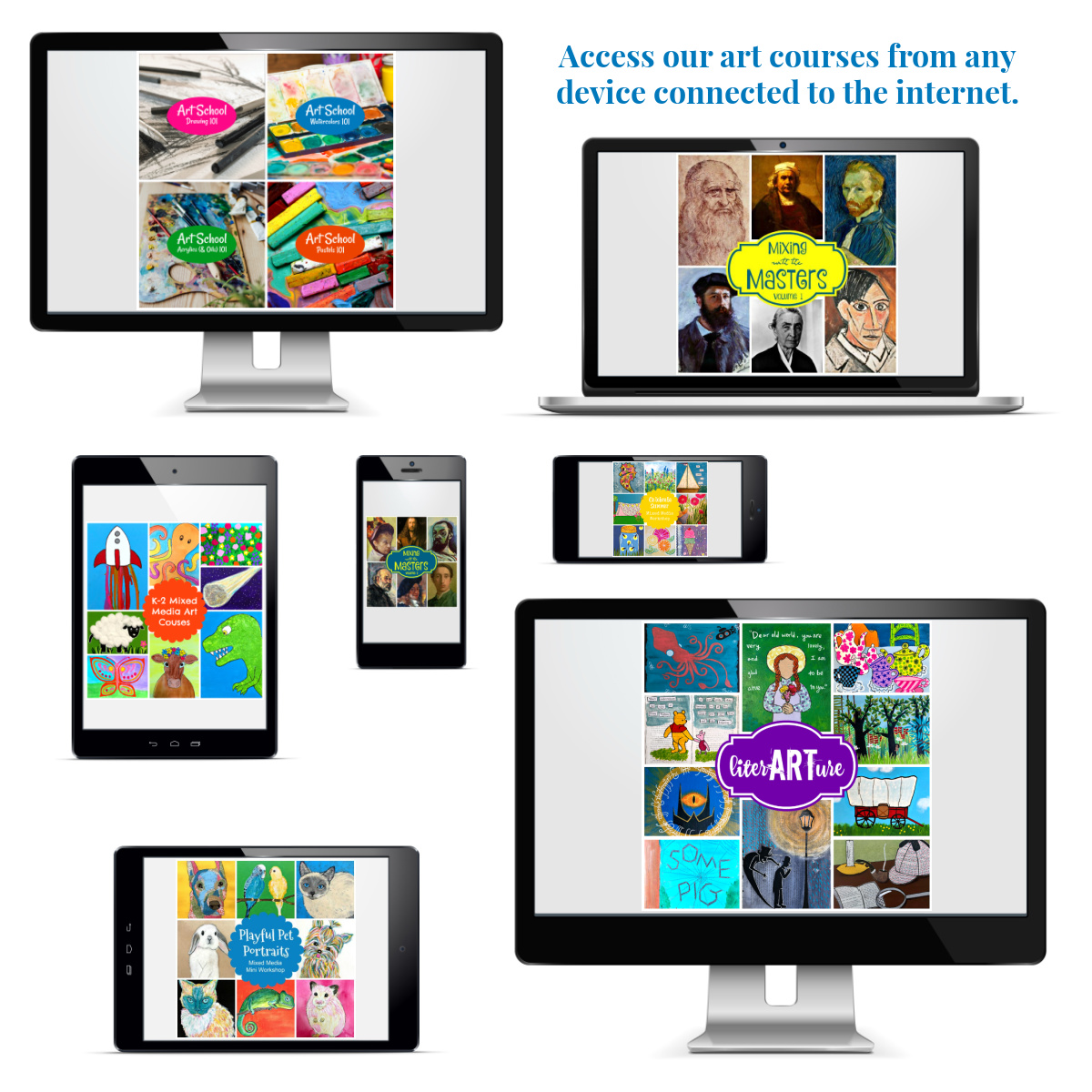
K–2 Mixed Media Art: A Playful Beginning for Young Artists
For kindergarten through approximately second grade, I especially love mixed media.
Young children learn so much through exploring materials.
Instead of asking them to master one medium immediately, mixed-media projects allow them to draw, paint, cut, glue, layer, texture, and experiment.
Our K–2 Mixed Media collections were created especially for younger elementary artists.
Children can explore themes such as:
- Backyard Nature
- Dinosaurs
- Space Explorers
- Under the Sea
- Featherly Friends
- Down on the Farm
- On Safari
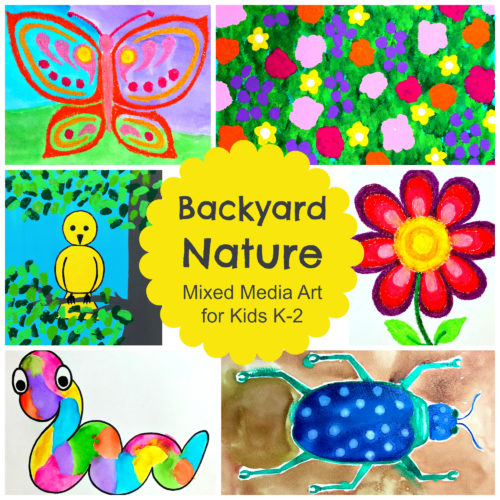
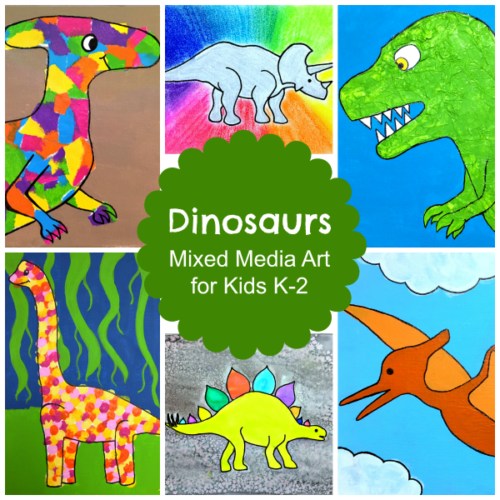
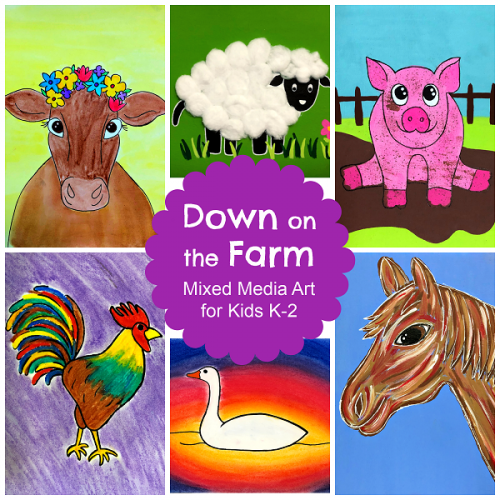
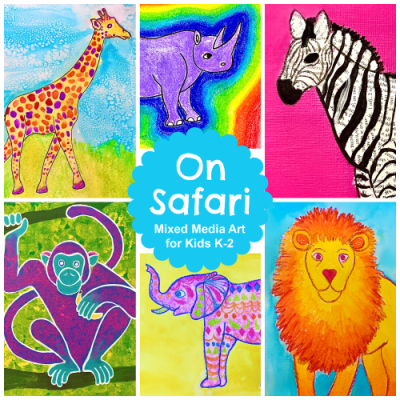
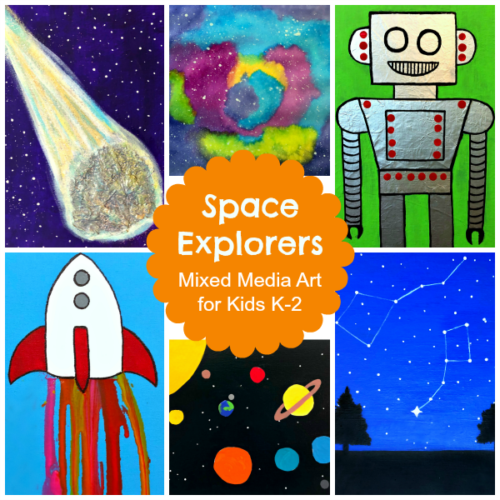
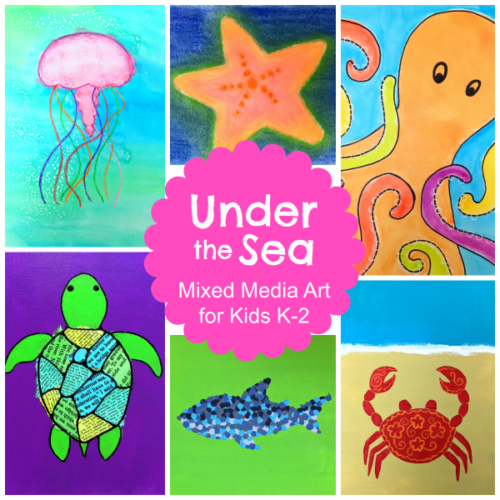
The familiar themes give young children an inviting starting point while the projects introduce them to different materials, techniques, and artistic ideas. They're learning. But to them?
They're making dinosaurs, animals, sea creatures, robots, and all sorts of wonderful things.
And that's exactly how early elementary art should feel.
The Artful Year: A Full Year of Art Without Having to Plan It Yourself
Maybe what you really want is simple: "Please just tell me what art we're doing this week." I understand.
That's where The Artful Year comes in. This course gives homeschool families 36 art lessons for 36 weeks, pulling together lessons from across Masterpiece Society into one easy-to-follow year of art.
Instead of deciding which course to use next or piecing together a curriculum week by week, you can simply follow the plan. One lesson each week. One school year. Art: done.
It's a particularly nice option for families who want a complete homeschool art curriculum without committing to a larger membership. And because you receive lifetime access, you aren't tied to a school calendar. Work through it at your own pace and make it fit your homeschool.

👉 Explore the Artful Year here
Seasonal Art for Your Homeschool
Sometimes art doesn't need to fit neatly into a year-long curriculum. Sometimes it's October and you want to paint leaves. Or December arrives and everyone wants snowflakes, Christmas trees, and winter scenes. Seasonal art is one of the easiest ways to create a natural rhythm of creativity throughout your homeschool year.
Collections such as:
- The Art of Fall
- Winter Wonderland
- Springtime Splendor
- Celebrate Summer
- Valentine's Day
- Monsterpiece Society
- A Nutcracker Christmas
- A Very Merry Christmas Carol
- The Nativity
give families opportunities to create alongside the seasons.
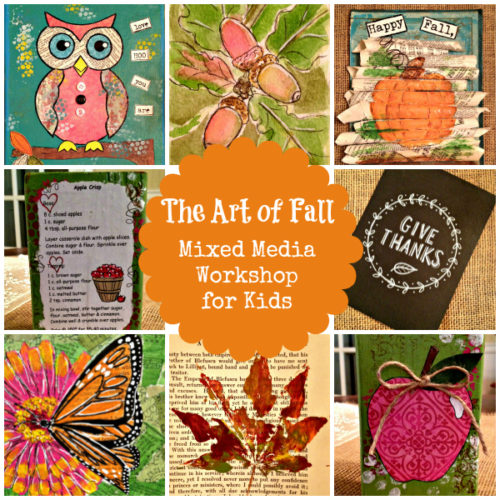
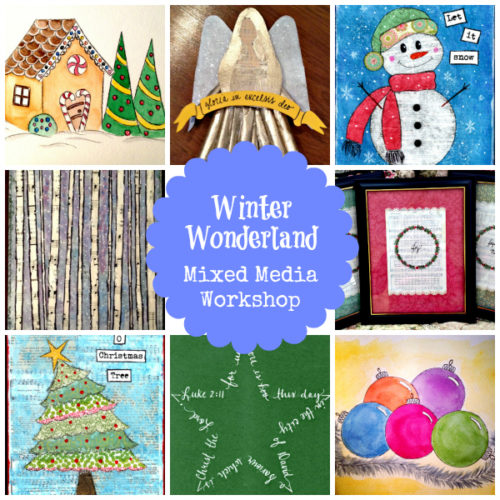
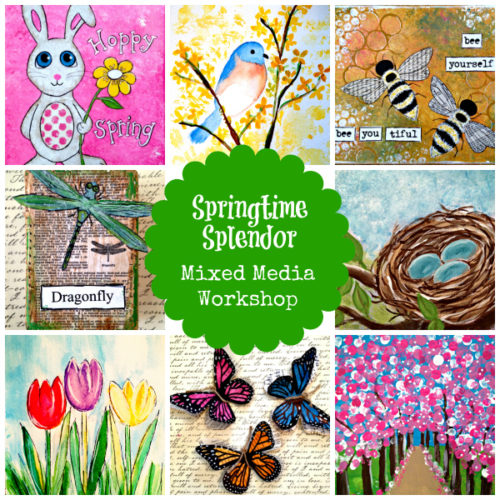
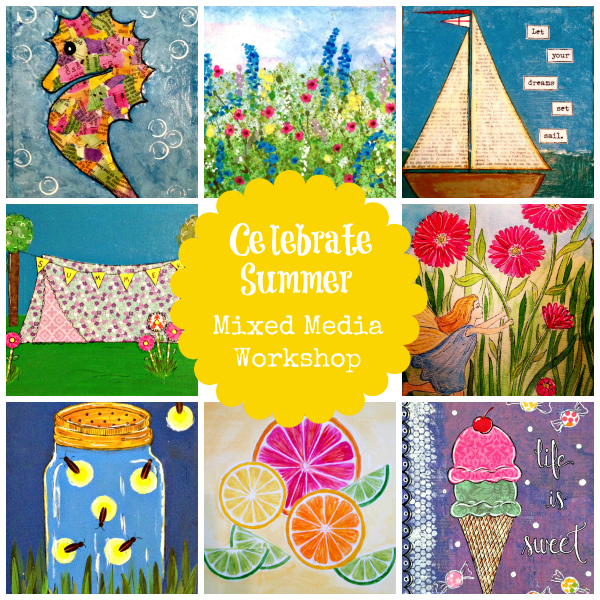


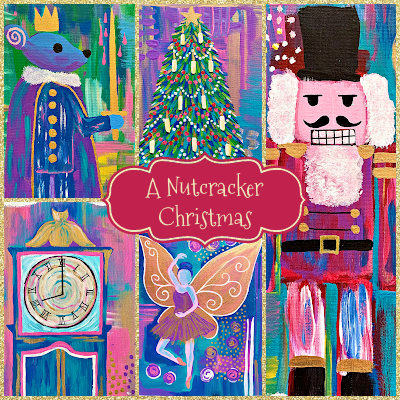

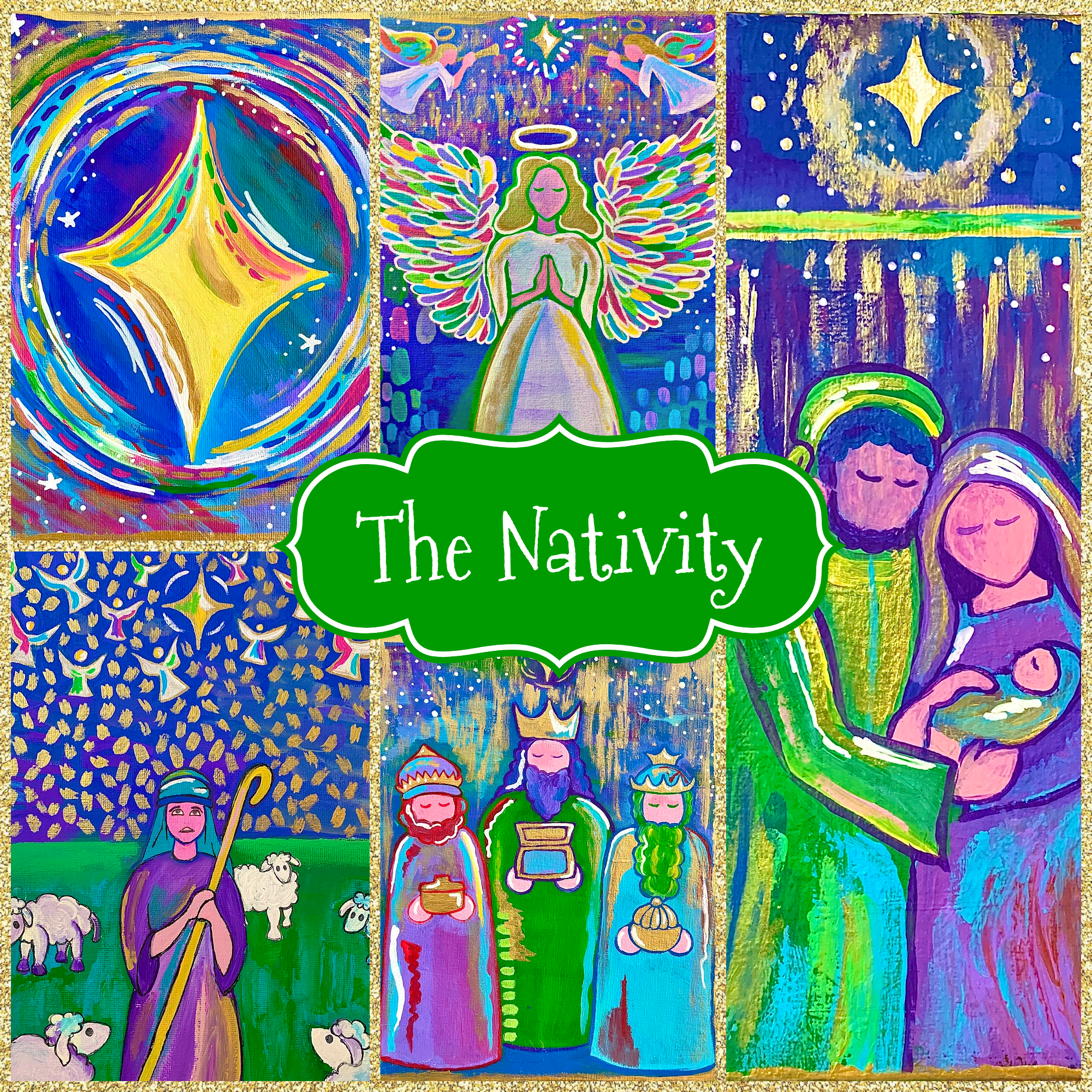
These lessons can be used as your regular art curriculum or tucked into your homeschool year whenever you want a creative break from the ordinary routine.
Combine Great Books and Art with LiterARTure
Some of the richest homeschool learning happens when subjects naturally overlap. A wonderful story can lead to conversations about history, nature, geography, character—and art. That's the idea behind LiterARTure, our collection of art lessons inspired by children's literature.
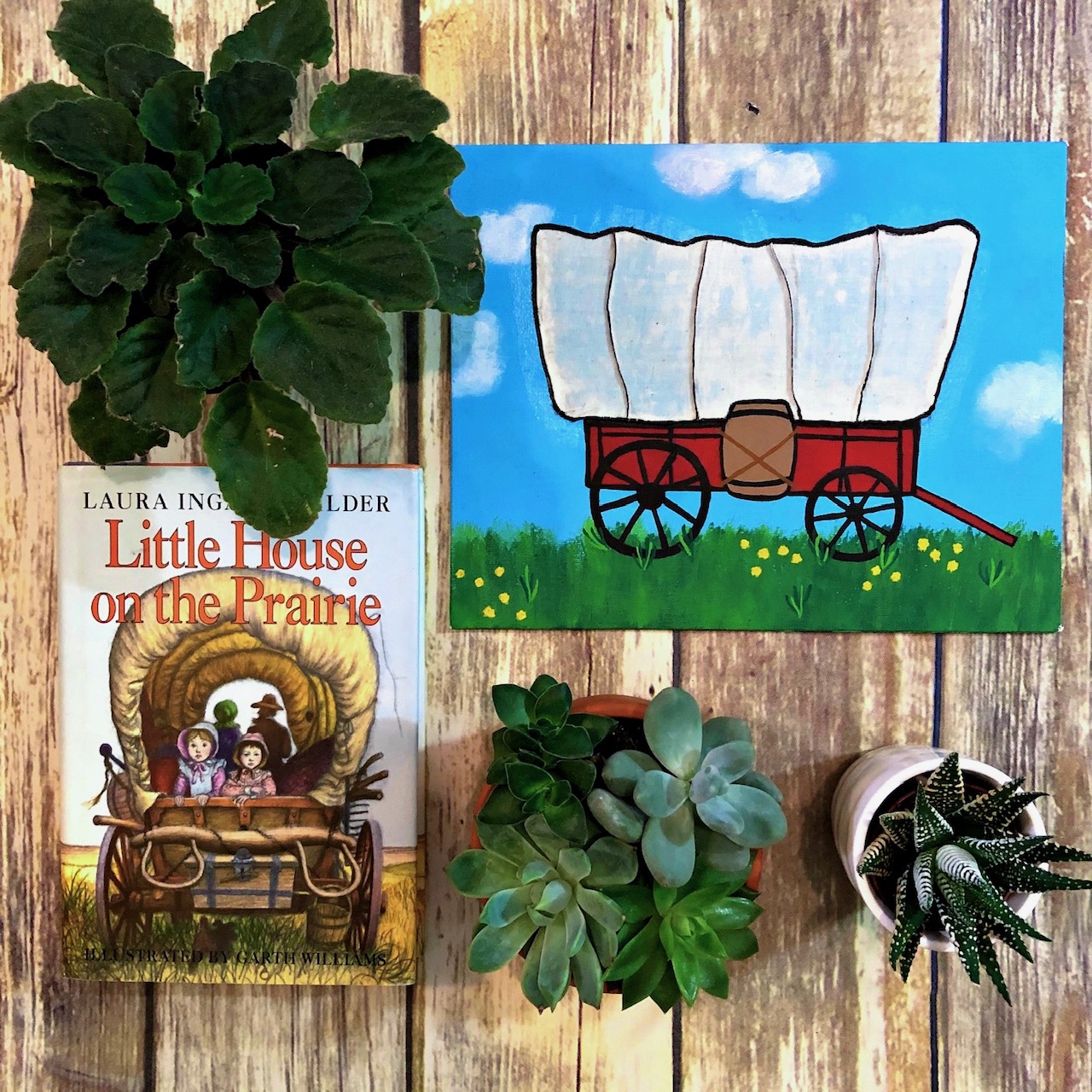
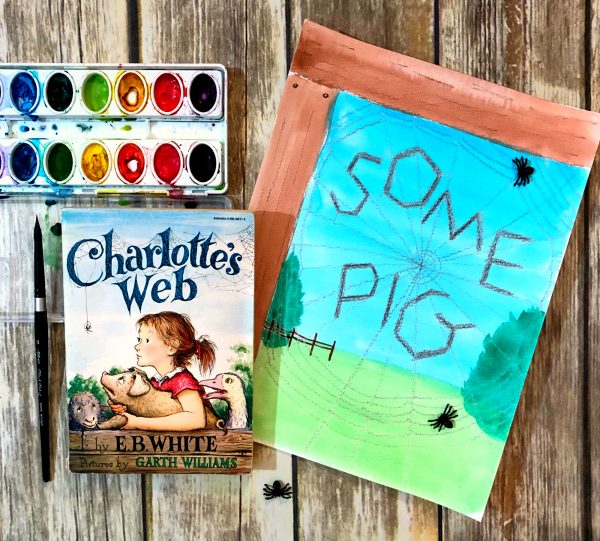
Rather than treating reading and art as two completely separate subjects, LiterARTure invites children to step into the world of a book and respond to it creatively. Across 30+ literature-inspired art lessons, students explore different art materials, techniques, styles, and creative ideas while making connections with the stories they're reading.
It's a lovely addition to:
- read-aloud time
- literature studies
- book clubs
- homeschool co-ops
- family learning
- a regular elementary art rotation
You might read the book together first and then pull out the art supplies, turning an ordinary read-aloud into a whole afternoon of creativity. And because the artwork grows out of the literature, children aren't simply completing another isolated art project. They're responding to a story through art.
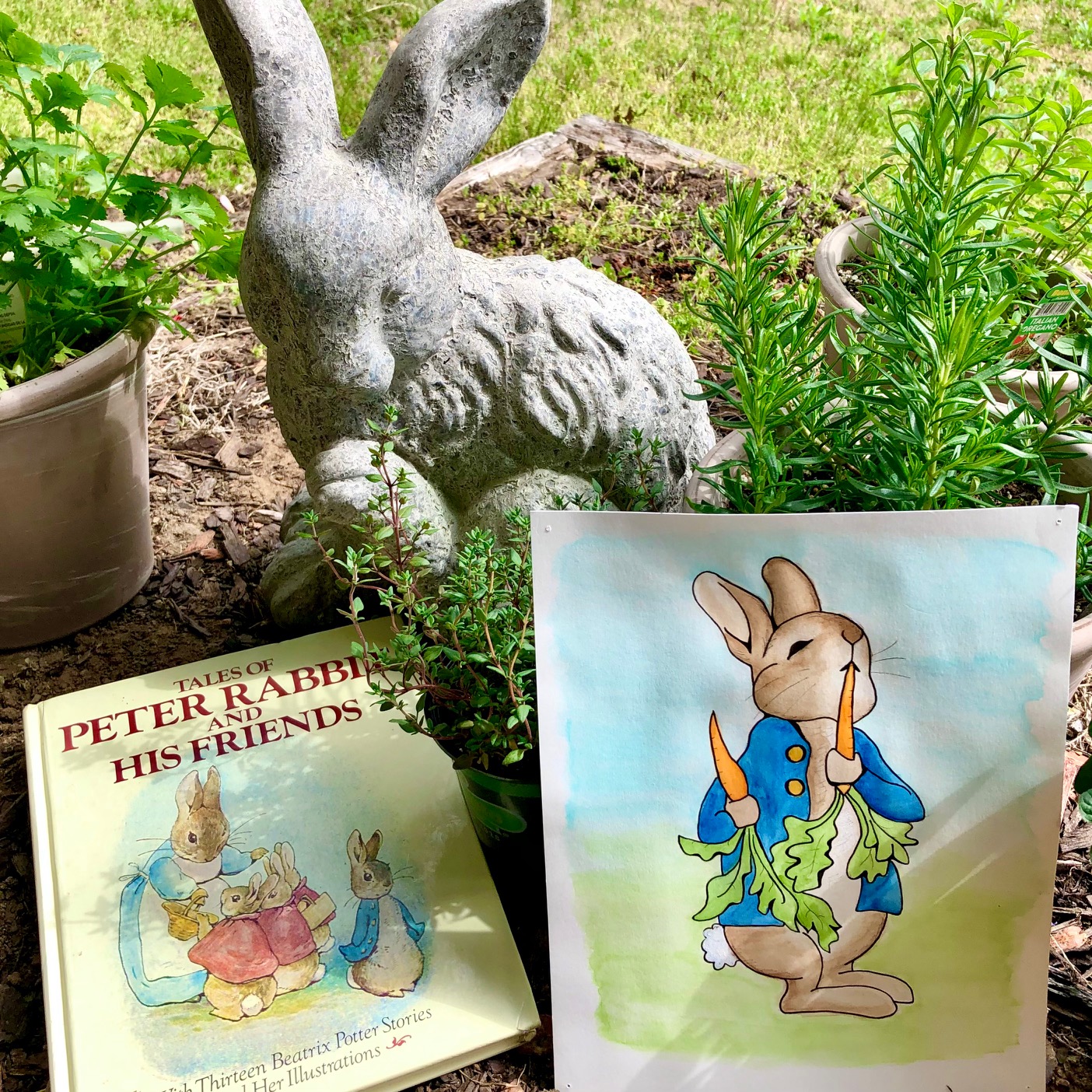
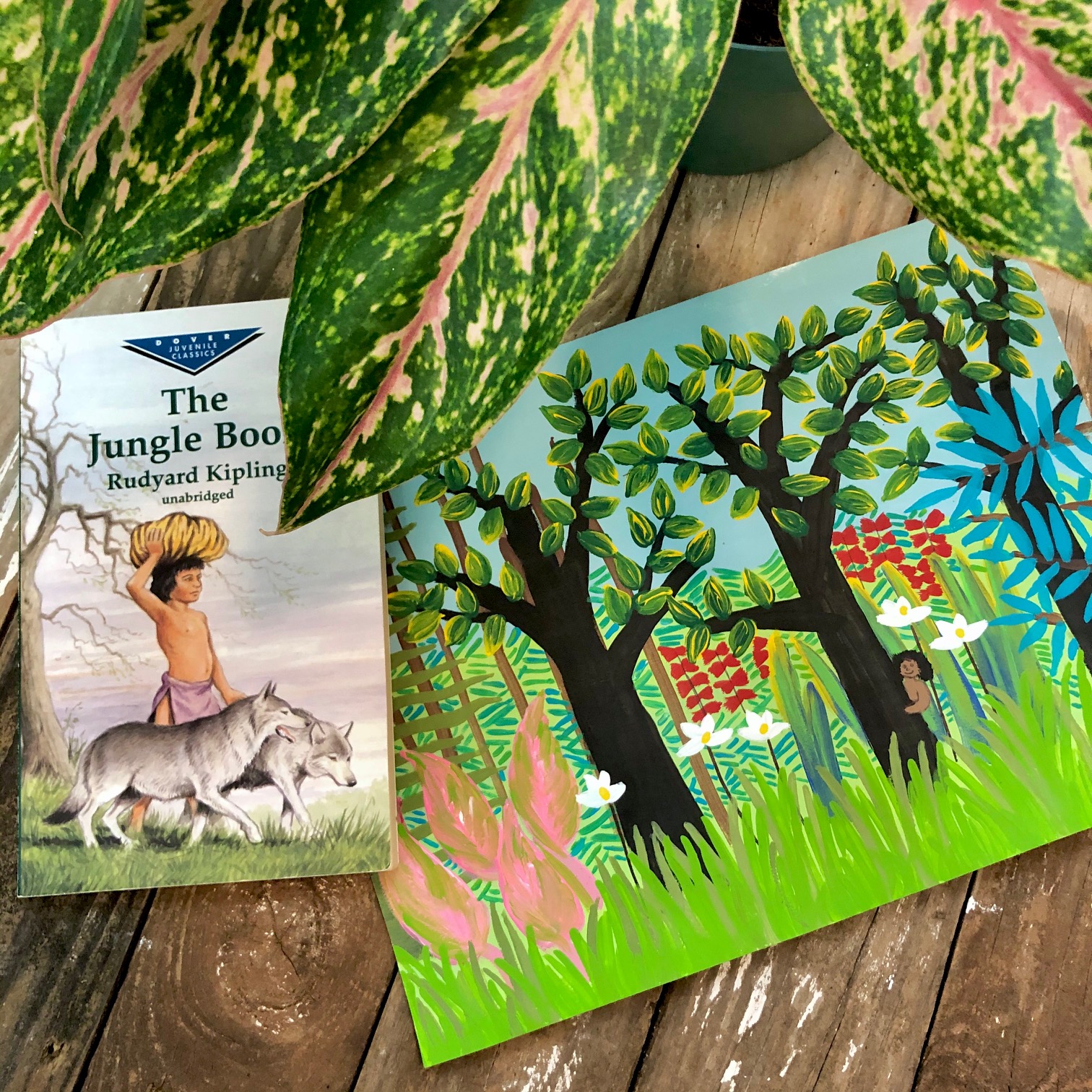
For families who love beautiful books as much as beautiful art, LiterARTure is an especially delightful way to bring the two together.
Turn Favorite Animals Into Works of Art
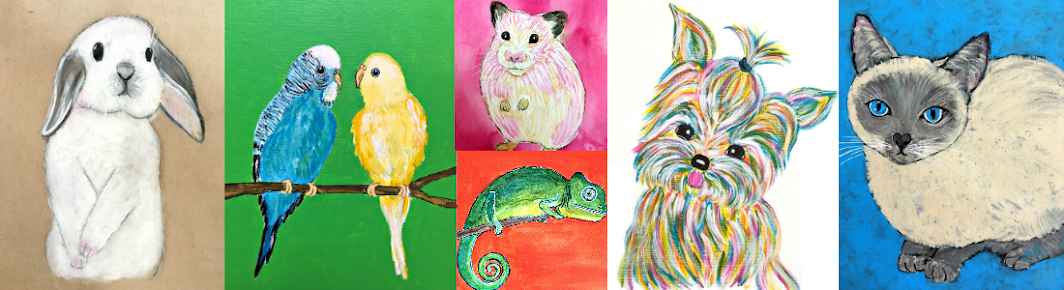
Animals are one of those subjects children never seem to tire of drawing and painting—which makes them a wonderful way to build art skills while keeping young artists excited about creating.
In Playful Pet Portraits, children create colorful, personality-filled portraits of some of their favorite furry friends.


Along the way, they'll practice artistic skills such as:
- observing shapes and proportions
- drawing animal features
- creating texture
- using line and pattern
- experimenting with color
- layering art materials
- creating an interesting composition
But this isn't about creating perfectly realistic animal portraits.
The emphasis is on playfulness, creativity, and personality.
Children can experiment with expressive colors, interesting details, and their own artistic choices as they turn each pet into a one-of-a-kind work of art.
It's exactly the kind of elementary art experience I love: children are learning genuine art skills, but they're having so much fun creating that it doesn't feel like a technical exercise.
And don't be surprised if these lessons inspire them to start drawing portraits of every dog, cat, hamster, rabbit—or other beloved creature—they know.
👉 Explore Playful Pet Portraits here
Learn From Famous Artists
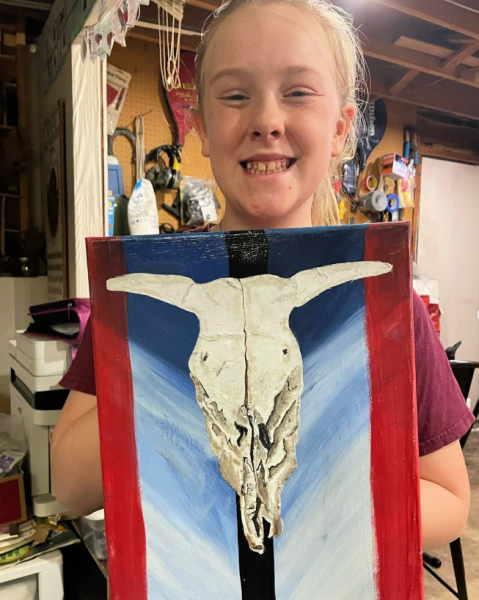
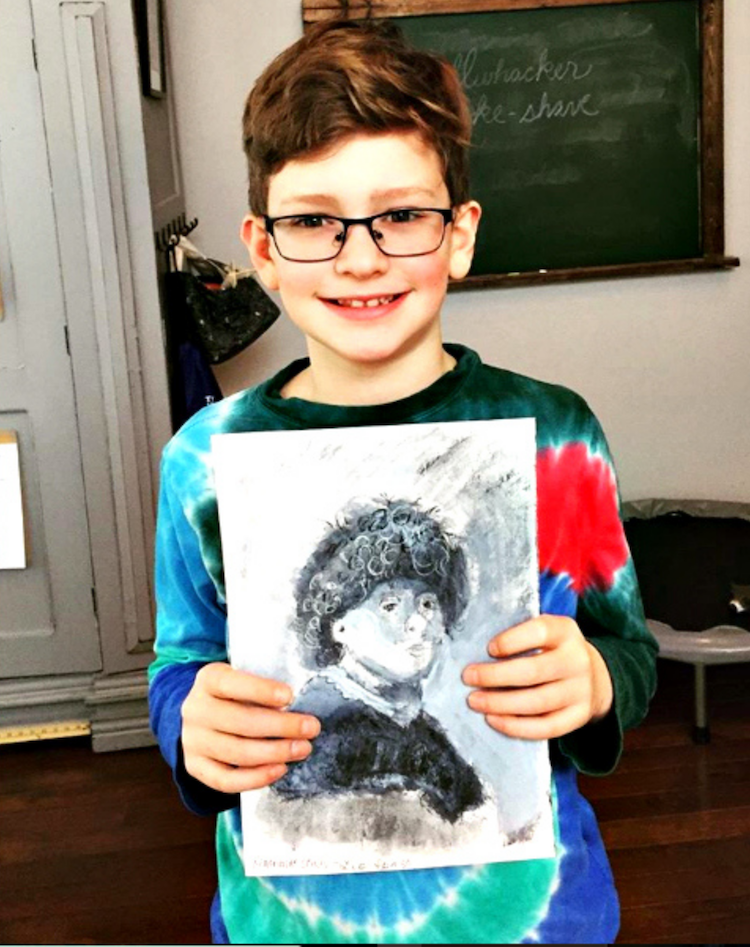
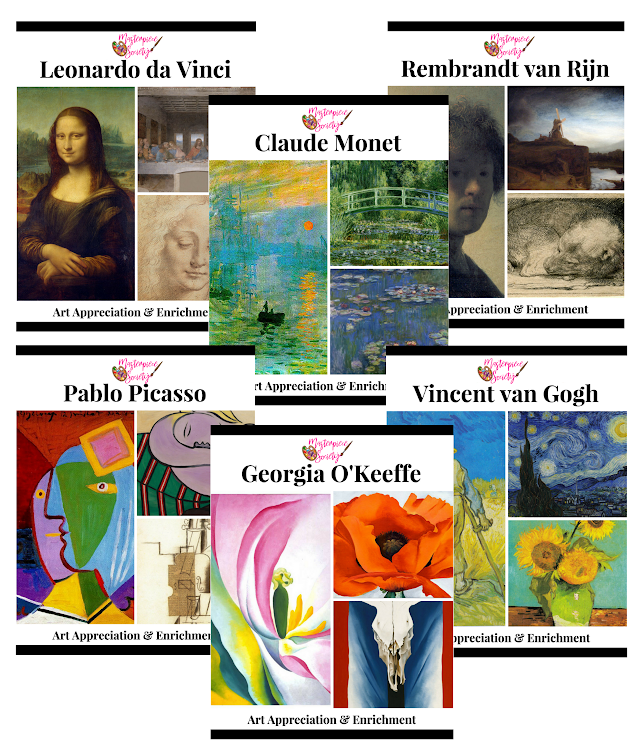
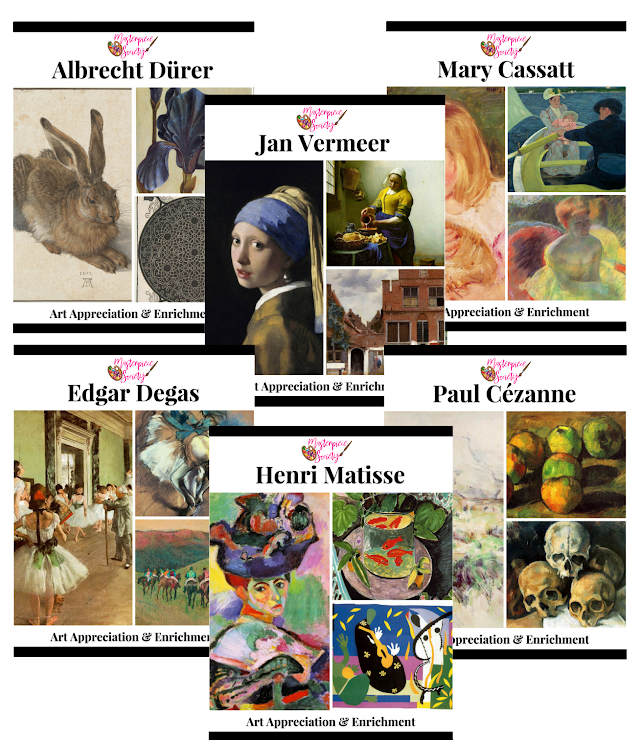
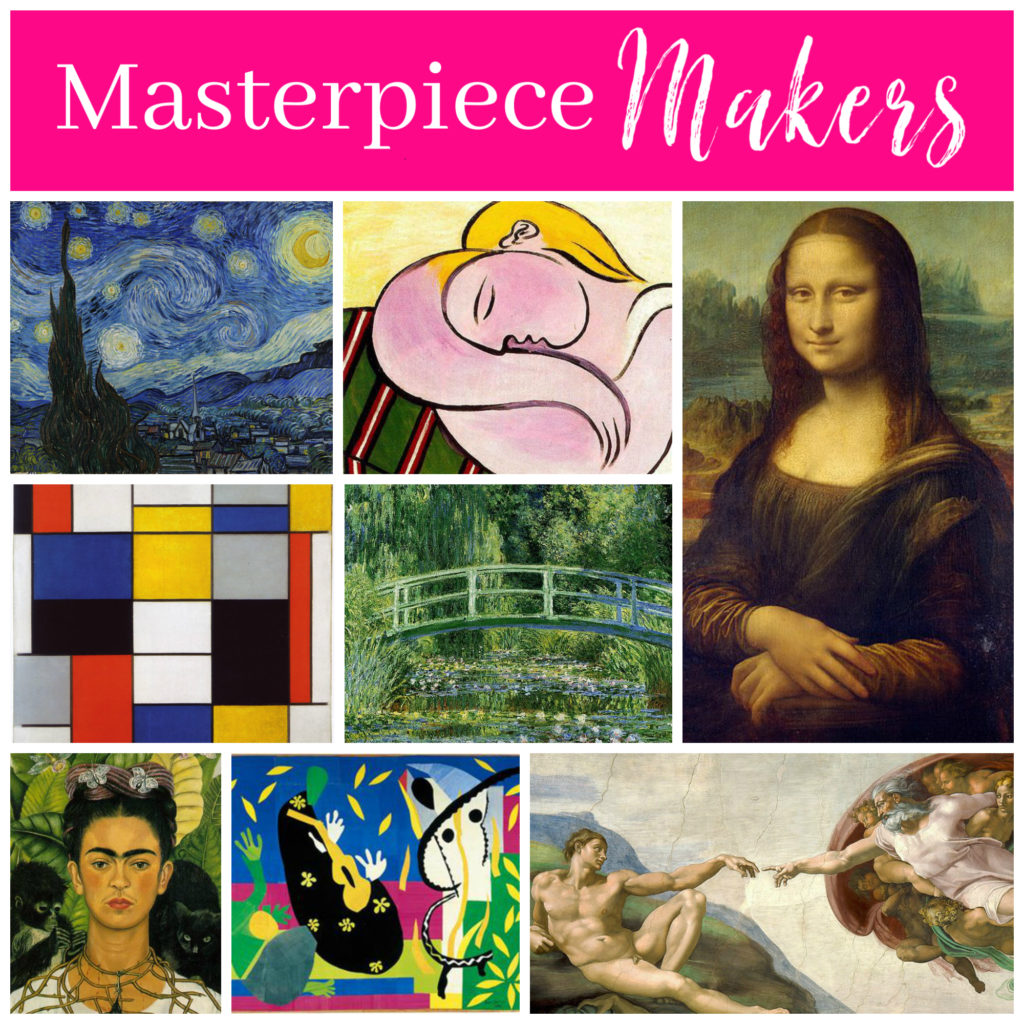
One of the most delightful ways to teach elementary art is to introduce children to the artists who came before them: Van Gogh, Monet, Picasso, Kandinsky, O'Keeffe, and so many others. But instead of only memorizing names, dates, and paintings, children can experience artistic ideas for themselves. They can experiment with color, brushwork, shape, line, pattern, composition, different styles and techniques.
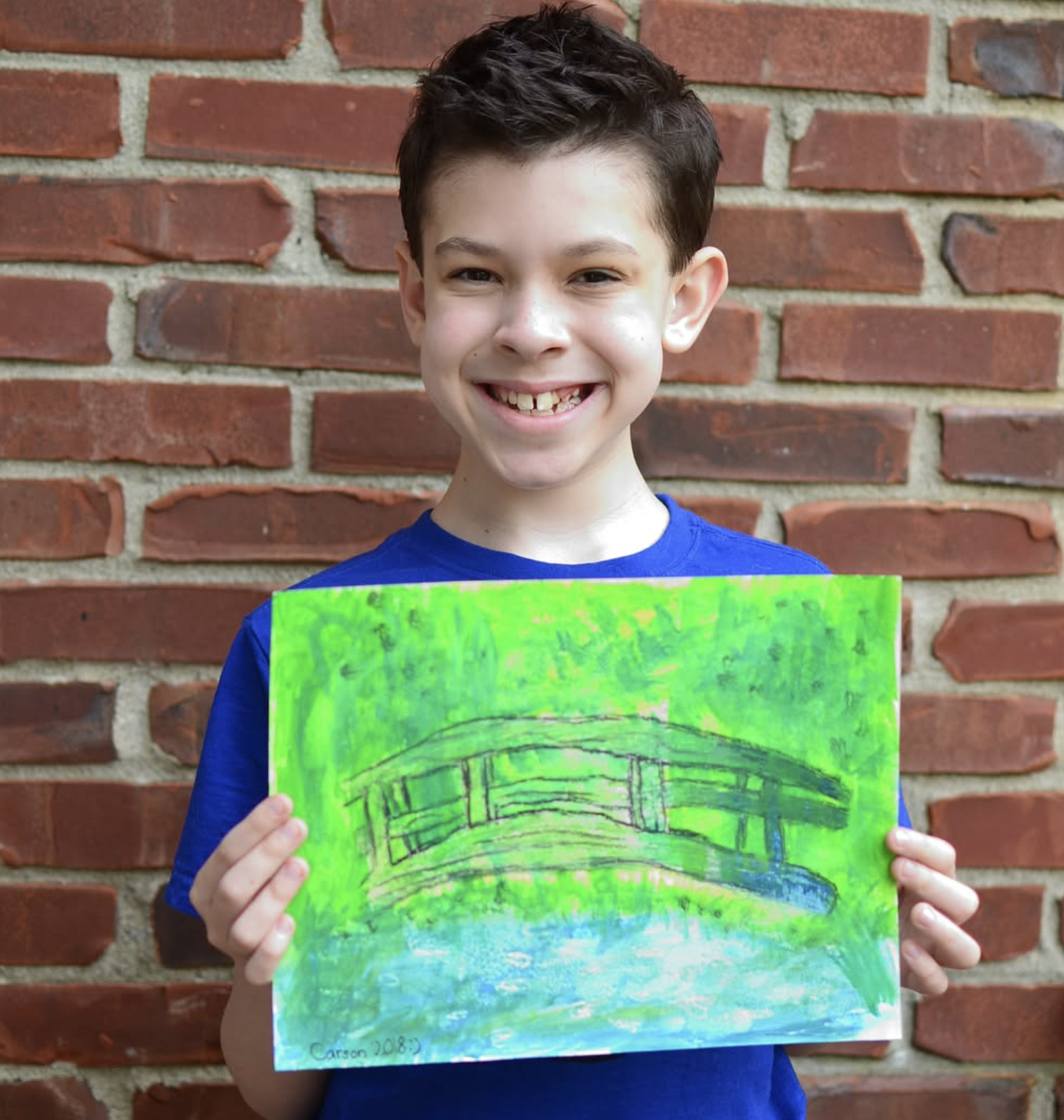

That's the idea behind our Mixing with the Masters courses. Children encounter famous artists and their work and then create their own art inspired by what they've discovered. They aren't trying to create a perfect copy of a masterpiece. They're learning from the masters—and then creating something of their own.
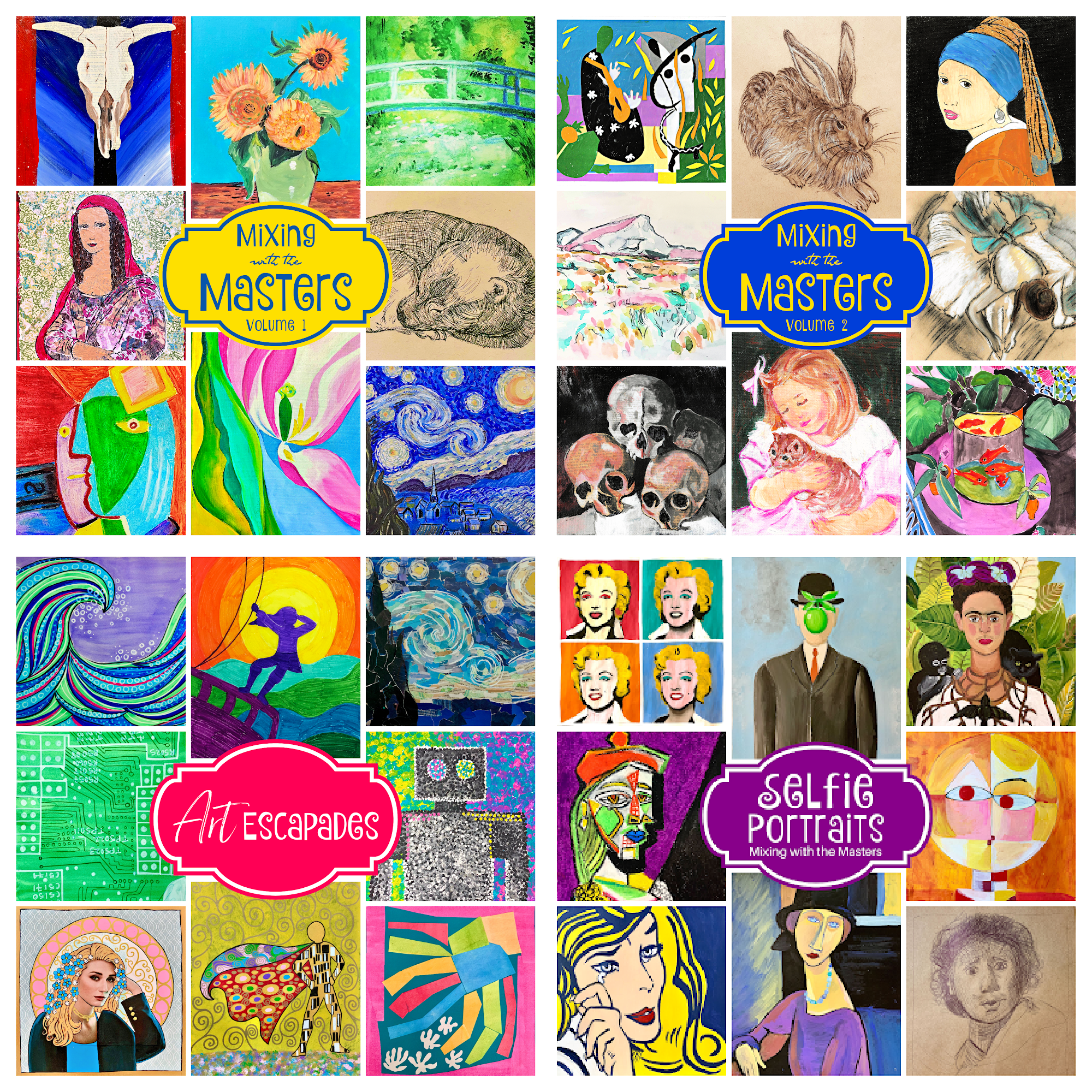
👉 Explore Mixing with the Masters here
Masterpiece Society Studio: Everything in One Place
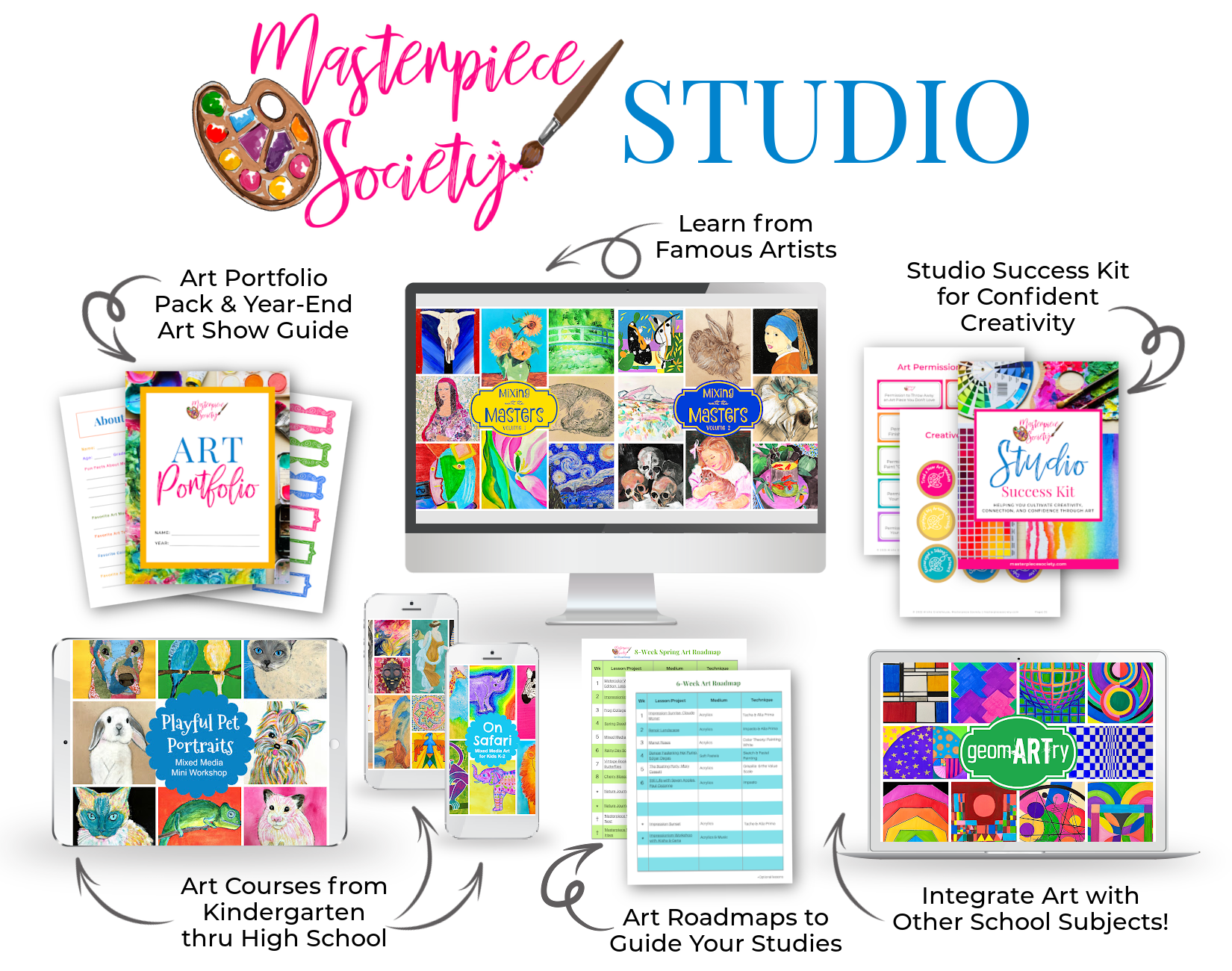
For families who want the greatest variety and flexibility, there's Masterpiece Society Studio. The Studio brings our art curriculum together into one large online art library for homeschool families. Instead of purchasing individual courses every time your child becomes interested in something new, Studio members can explore across ages, mediums, subjects, artists, and styles.
That means one child might be working on a mixed-media project while an older sibling studies watercolor. Next month you might explore a famous artist. Then nature journaling. Then seasonal art. Then drawing. Then something completely different. You aren't locked into one narrow path.
Your children's interests can help shape their art education.
And because Masterpiece Society includes instruction for children from young artists through teens—and, yes, even moms, the Studio can grow with your family!
👉 Explore Masterpiece Society Studio
How Often Should Elementary Students Do Art?
You don't need art every day to give your children a wonderful art education. For many homeschool families, I think one intentional art lesson each week is a beautiful rhythm. That's approximately 36 lessons over a typical school year—which is exactly why The Artful Year is organized that way. But there’s no single schedule you have to follow to make art a meaningful part of your homeschool.
If your child loves art, create more often. If you're in a busy season, do less. You might have one longer art afternoon every week. You might do art twice a month and supplement it with nature journaling and picture study. Or you might have a child who creates independently every single day. The goal isn't checking off a certain number of projects.
The goal is creating a home where creativity has a place.
What Art Supplies Do Elementary Homeschoolers Need?
Please don't feel as though you need to purchase the entire art aisle before beginning.
Start small.
A basic homeschool art supply collection might include:
- good drawing, mixed-media, or watercolor paper
- pencils and a kneaded eraser
- watercolor set
- acrylic craft paints
- several paintbrushes
- soft and/or oil pastels
- scissors
- glue
- black permanent pen
Then add materials as particular projects require them. Over time, you'll build a lovely collection. And here's a little secret: Children become much more confident with art supplies when they're actually allowed to use them. Don't save the "good" watercolor paper forever. Make the art.
Can Elementary Children Learn Art Online?
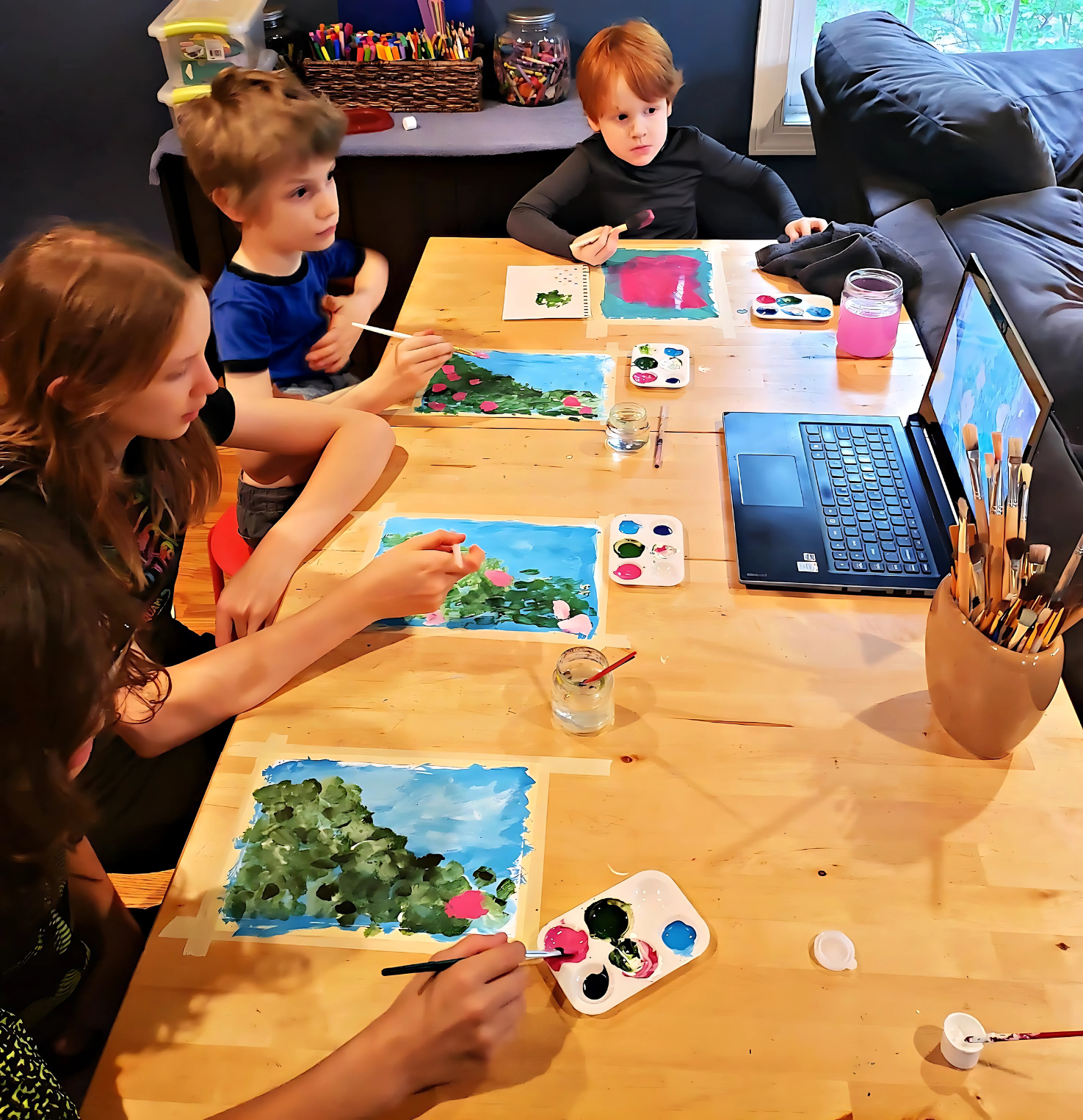
Absolutely! (We have thousands of families that have proven they can!) Art is particularly well suited to video instruction because children can actually watch an artist work. They can see how much water goes onto the brush, how a pencil is held, how colors are mixed, how a shape begins, how layers are added, how a mistake gets changed into something else (I especially have a LOT of "Oops! moments". 😅)
And unlike a live classroom demonstration, a recorded lesson can be paused. Rewound. Watched again. Or stopped until tomorrow because someone has completely run out of patience.
That flexibility makes online art especially useful for homeschool families.
A Simple Elementary Homeschool Art Plan
If you're feeling overwhelmed by all the possibilities, don't make this complicated. Here's a wonderfully simple way to approach elementary art:
Early Elementary — Kindergarten through Grade 2
Focus on exploration and mixed media. Let children draw, paint, cut, glue, layer, experiment, and become comfortable using different materials. Our K–2 Mixed Media collections are an excellent fit for this stage.
Middle Elementary — Grades 3–4
Continue exploring different media while gradually introducing more artistic techniques, famous artists, art appreciation, and more detailed projects. This is a wonderful age for our seasonal collections, literature-inspired lessons, "pet portraits," and many of the lessons inside Masterpiece Society Studio.
Upper Elementary — Grades 5–6
Begin increasing the emphasis on foundational artistic skills while still leaving plenty of room for creativity. Students can spend more time developing drawing, painting, observation, composition, and technique while continuing to explore different media and artists. Our Mixing with the Masters series is great for this age. And as they move toward middle school, students who are especially interested in developing their skills can begin transitioning toward our more focused art courses for teens.
What If I Have Several Ages Learning Together?
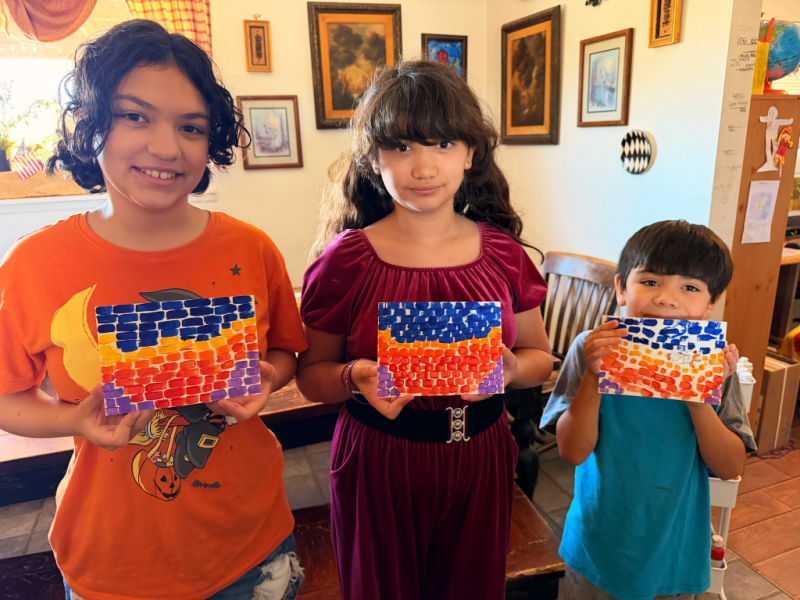
This is homeschool...of course you do! One of the best things about art is that siblings of different ages can often create together. They don't need to produce identical results. Your six-year-old might interpret a lesson one way. Your ten-year-old adds more detail. Your twelve-year-old takes the idea in an entirely different direction.
That's okay. In fact, that's art. Younger children can simplify. Older children can extend the project. And everyone gets to sit around the same table creating together. Those are some of the homeschool moments you'll remember.
Don't Wait Until You're "Caught Up" to Do Art
There will always be another math lesson. Another chapter. Another worksheet. Another spelling list. Another thing you feel like you should finish before you pull out the paints.
But your children's education isn't only about how much information you can fit into their heads before graduation. It's also about what kind of people they're becoming. People who notice. People who wonder. People who make things. People who aren't afraid of a blank page. People who know how to try something, decide it isn't working, change direction, and try again. People who understand that creating something worthwhile often takes patience. Those things matter too.
So pull out the watercolor paper. Use the good supplies. Make a mess. Look at beautiful things. And give your children the time and tools they need to create. You don't have to be an artist to raise creative kids. You simply need to make room for art.
Give them good materials to explore. Give them time to practice. And most of all: Give them permission to create.
Frequently Asked Questions About Elementary Homeschool Art Curriculum
What should be included in an elementary art curriculum?
A well-rounded elementary art curriculum should introduce children to foundational concepts such as line, shape, color, texture, value, form, composition, and observation while providing plenty of hands-on opportunities to draw, paint, collage, and experiment with different art materials.
What is the best age to begin homeschool art?
Children can begin creating art from a very young age. Formal instruction isn't necessary for toddlers and preschoolers, but by kindergarten and early elementary school, children can enjoy gentle step-by-step lessons alongside plenty of open-ended creative exploration.
How often should homeschoolers do art?
For many families, one intentional art lesson each week works beautifully. Other families prefer shorter sessions several times per week or occasional longer art afternoons. Consistency matters more than following one particular schedule.
Do parents need to know how to draw or paint?
No. A video-based homeschool art curriculum allows an art teacher to provide the demonstrations and instruction while the parent provides materials, time, and encouragement.
What art supplies do elementary students need?
Begin with versatile basics such as drawing and mixed-media paper, pencils, markers, watercolor or acrylic paint, brushes, oil or chalk pastels, markers, scissors, and glue. Add specialty supplies as your curriculum requires them.
Can elementary art be taught online?
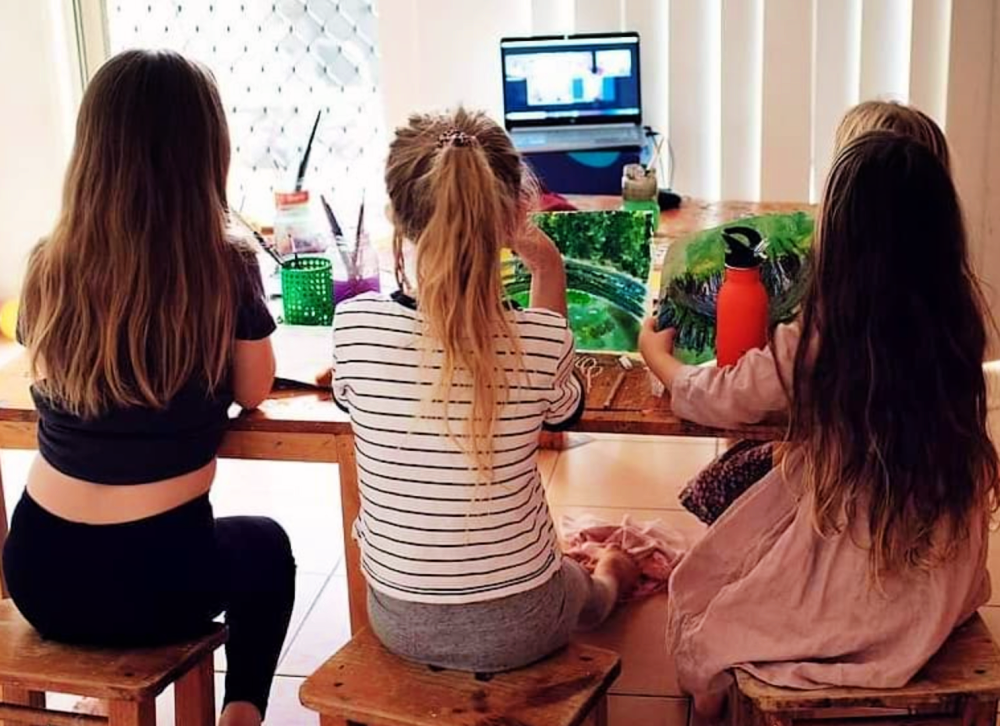
Yes. Video instruction allows children to watch artistic techniques being demonstrated and gives homeschool families the flexibility to pause, replay, and work at their own pace.
Can children of different ages do homeschool art together?
Often, yes. Many art projects can be simplified for younger children and extended for older children, making art an excellent subject to teach together as a family.
What comes after elementary homeschool art?
As students reach middle and high school and become ready for more focused skill development, they can transition into Masterpiece Society teen courses, including our Art School series, which provides deeper instruction in drawing, watercolor, acrylics and oils, and pastels.