Looking for a homeschool co-op art curriculum? Learn how to plan engaging art classes for multiple ages with drawing, painting, art history, and more.

Art is one of those subjects that seems almost made for a homeschool co-op. Put a group of kids around a table with paints, brushes, pastels, or pencils, and suddenly something happens that can be harder to recreate at home: creating becomes a shared experience.
Students peek at one another's work. They swap colors. They encourage each other. They discover that ten people can follow the exact same art lesson and create ten completely different pieces of artwork. And there is usually plenty of laughter along the way.
But if you're the mom who volunteered to teach the homeschool co-op art class, you may be looking at things a little differently. What are we going to make every week? What supplies do I need? How do I teach several ages at once? What if I'm not an artist? And perhaps most importantly, how do I teach an actual art class instead of spending the semester making crafts?
That's where choosing the right art curriculum for your homeschool co-op can make all the difference.
What Makes a Good Homeschool Co-op Art Curriculum?
Teaching art to a group is different from teaching one or two children at home. You need projects that are interesting enough to keep older students engaged but accessible enough that less-experienced students aren't immediately frustrated. You also need lessons that fit within your co-op schedule.
Most importantly, you want students to do more than simply reproduce a cute finished project. A good homeschool co-op art curriculum should help students develop real artistic skills while still giving them plenty of freedom to create.
That means looking for lessons that incorporate drawing, painting, watercolor, pastels, mixed media, color theory, composition, the elements of art, the principles of design, art history, and exposure to a variety of artists and artistic styles. You don't have to cover all of those things in one semester. In fact, please don't try! The beauty of a co-op is that you can choose a focus for the semester and build from there.
You Don't Have to Be an Artist to Teach Art at Your Co-op
This may be the most important thing I can tell you: you do not have to be an artist to lead a wonderful homeschool co-op art class.
You don't need an art degree. You don't have to demonstrate every technique perfectly. And you certainly don't need to spend your evenings watching YouTube videos trying to teach yourself watercolor before you teach it to twelve children the following morning.
With a video-based art curriculum, you can learn alongside your students. Set up the lesson, gather the supplies, press play, and allow an experienced art teacher to walk everyone through the project step by step.
Your role becomes much more manageable. You can circulate around the room, help students with supplies, pause the lesson when necessary, encourage reluctant artists, answer questions, and keep the class moving. In other words, you get to facilitate the experience rather than having to become the art teacher overnight.
Teaching Art to Multiple Ages in a Homeschool Co-op
One of the biggest challenges in almost every homeschool co-op is the age range. Maybe your class includes ages 8–12. Or 10–14. Or perhaps you're teaching a family-style class with elementary students, middle schoolers, and a few teenagers together.
Fortunately, art lends itself beautifully to mixed-age learning.
Give several students the same painting lesson and you'll naturally get different results. A younger student may create a simpler version, while an older student may add more detail, experiment with color, change the composition, or take the technique in an entirely different direction.
That's not a problem. That's art.
Rather than expecting every finished piece to look identical, encourage students to interpret the lesson according to their own abilities and ideas. This makes art one of my favorite subjects for teaching multiple ages together.
Choose Projects That Teach Skills
It's easy to find cute art projects online. But if you're giving students an entire semester—or year—of art instruction, you have an opportunity to do something more intentional.
Instead of asking only, "What can we make this week?" also ask, "What can they learn this week?"
A watercolor project might teach wet-on-wet painting. A landscape might introduce atmospheric perspective. A drawing lesson might focus on value and shading. A mixed-media project might teach texture. An abstract painting might explore color relationships. A project inspired by a famous artist might introduce both an artistic technique and a little art history.
Students still walk away with something beautiful they've created, but over time they're also building a collection of artistic skills. That's the difference between a collection of crafts and an art curriculum.
At the same time, a step-by-step lesson should provide structure without eliminating creativity. Encourage your students to make choices—to change the colors, add something to the background, leave something out, use a different pattern, alter the composition, or try another technique.
One student may follow the lesson almost exactly while another takes the original idea and runs in an entirely different direction. Both can be successful. The goal isn't to have twelve identical paintings lined up at the end of class. It's to teach students skills they can eventually use to create artwork of their own.
How Long Should a Homeschool Co-op Art Class Be?
For most co-ops, 45–60 minutes works well for an art class, although some projects will benefit from a longer block. Remember to account for more than the actual lesson. Students need time to come in, get settled, gather materials, create, and clean up.
And cleanup with twelve children and acrylic paint is not the same thing as cleanup with one child at the kitchen table!
If your co-op periods are short, consider dividing larger projects over two weeks. Week one might include the drawing and first layers of paint, while week two includes finishing details. There's no rule that says every piece of artwork must be started and completed in a single class period.
Planning a Semester of Homeschool Co-op Art
You can structure a co-op art class in several different ways, depending on your students and what you'd like them to experience.
One option is to explore several different art mediums throughout the semester. You might include drawing, watercolor, acrylic painting, pastels, mixed media, and a few artist-inspired projects. This is particularly good for students who haven't had much formal art instruction because it allows them to discover which materials they enjoy most.
Another option is to focus on one medium. You could create a drawing semester, watercolor semester, painting semester, or pastel semester. This gives students time to become comfortable with the materials and see noticeable improvement as the semester progresses.
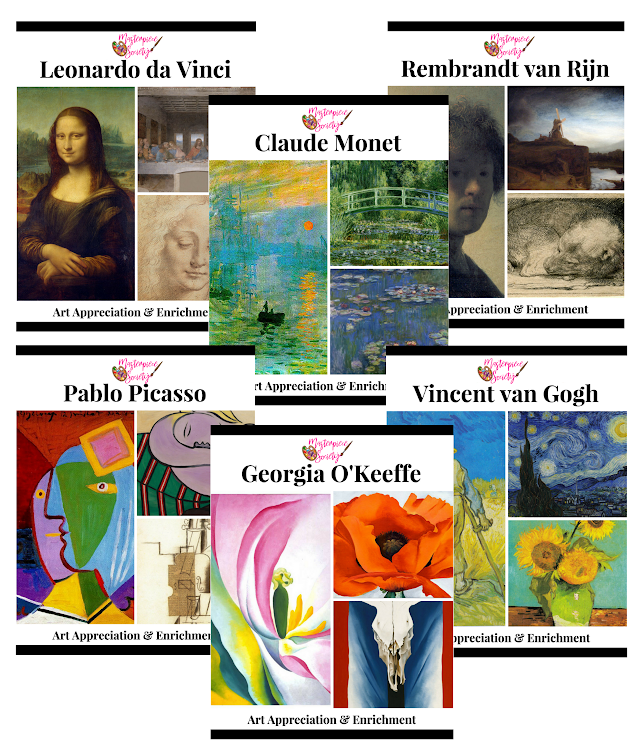
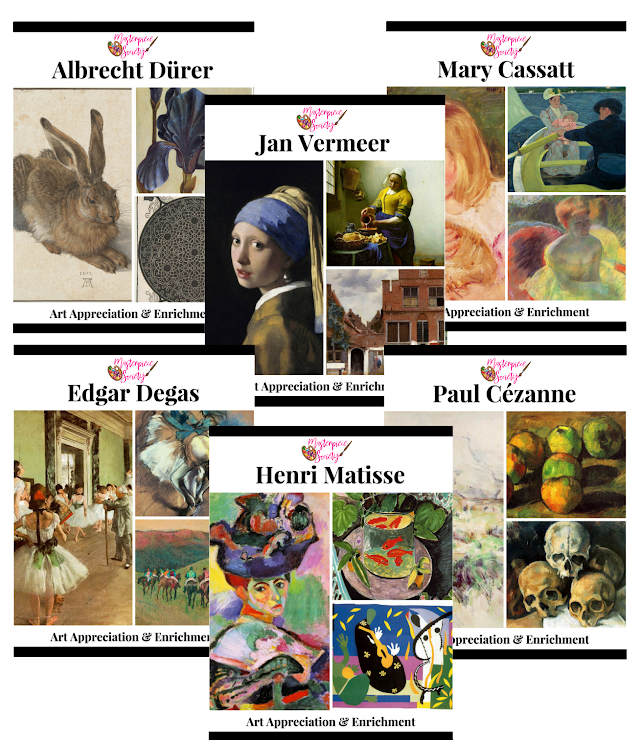
You can also study art through history. Explore ancient art while learning about ancient civilizations, Renaissance artists alongside Renaissance history, or Impressionism, Post-Impressionism, Modernism, and other movements as you move through more recent history. Art suddenly becomes more than another subject on the schedule—it becomes another way of experiencing the time period you're studying.
Or build your semester around a theme, such as nature, literature, famous artists, seasons, animals, architecture, or world cultures. This works especially well if your co-op already has a broader theme for the semester.
A Sample 12-Week Homeschool Co-op Art Schedule
If your co-op meets for twelve weeks, you could keep your semester very simple. Spend the first two weeks introducing drawing through observation, line, shape, value, and shading. Weeks three and four could focus on watercolor techniques, color mixing, layering, and washes, followed by two weeks of acrylic painting and an introduction to brushwork, color, and composition.
During weeks seven and eight, students could experiment with pastels, blending, layering, texture, and color. Weeks nine and ten could introduce one or two famous artists, allowing students to create projects inspired by their techniques or styles. Finally, use weeks eleven and twelve for mixed media and a final project that combines several of the skills students have learned while giving them more freedom to make their own creative choices.
You could finish the semester with a simple student art show for the families in your co-op. Hang the artwork gallery-style, create little artist labels, and let the students choose several favorite pieces from the semester to display. It's a lovely way to celebrate how much they've accomplished.
Art Supplies for a Homeschool Co-op
Supplies can become one of the trickiest parts of running a co-op art class, so decide how you'll handle them before the semester begins.
The teacher or co-op can purchase supplies in bulk and charge a materials fee, each family can purchase from a supply list, or you can use a combination of shared supplies and individually purchased materials. For frequently used materials—paintbrushes, palettes, water containers, scissors, rulers, and similar items—shared classroom supplies often make sense. Consumable materials such as watercolor paper, canvases, specialty papers, and certain paints can be incorporated into a class materials fee.
Whatever you choose, send parents the supply information well before the first class.
And here's something I've learned from years of teaching art: whenever possible, use decent-quality art supplies. You don't need professional materials for a homeschool co-op, but extremely inexpensive supplies can make art unnecessarily frustrating.
Sometimes a child doesn't think they're good at watercolor when the real problem is that they're trying to paint with barely pigmented paint on thin copy paper! Good student-quality materials can make an enormous difference.
Protect Your Tables—and Your Sanity
If you've taught a co-op before, you already know where I'm going with this. Art is messy. Plan for it.
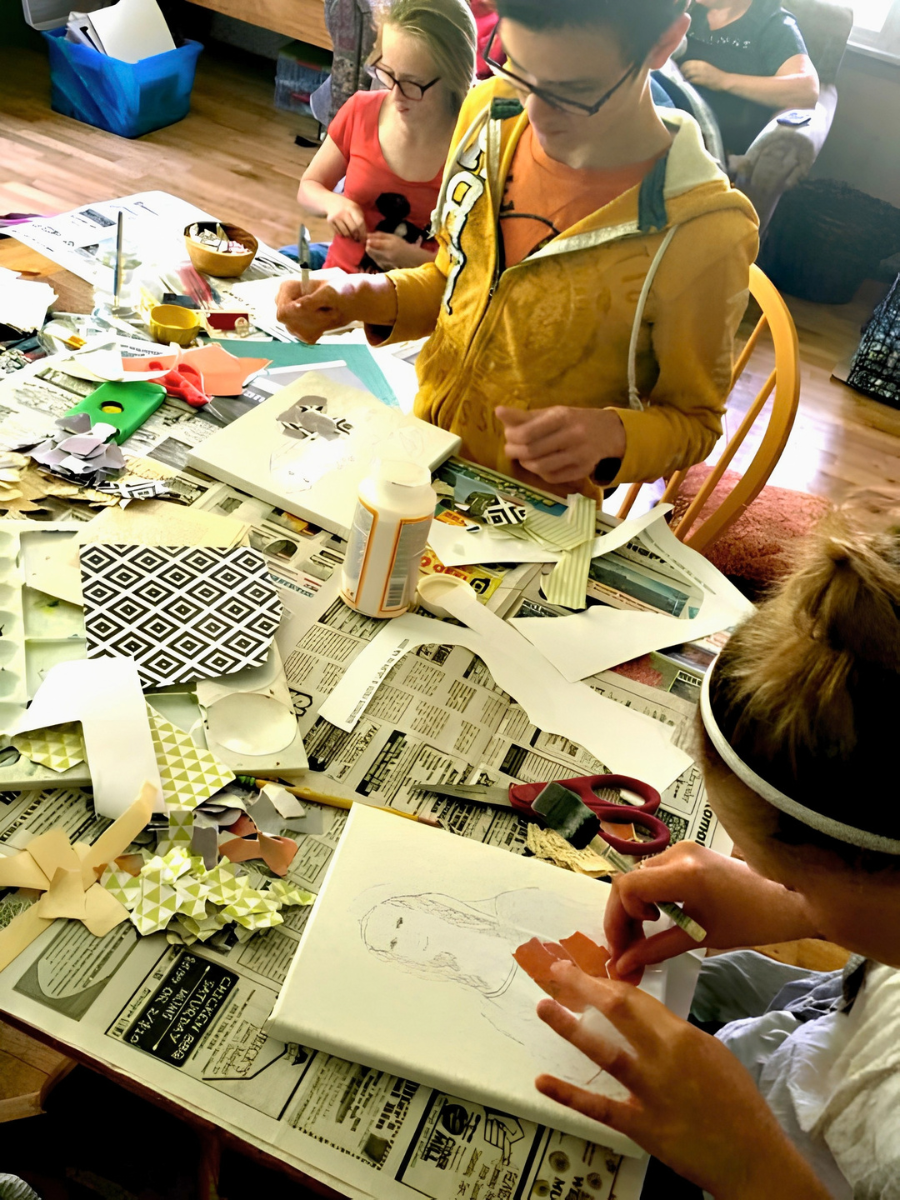
Cover tables before students arrive (newspapers, plastic tablecloths or shower curtains), have water containers ready, designate an area for drying paintings, keep paper towels or rags nearby, and have students wear old clothes or art aprons. Most importantly, build cleanup time into your class period.
I would much rather stop a lesson five minutes early and have everyone clean up together than finish the final brushstroke just as twelve parents appear at the classroom door. A little preparation makes art day much more enjoyable for everyone.
Using Masterpiece Society in Your Homeschool Co-op
Masterpiece Society was created to make quality art instruction accessible to homeschool families, and many of our courses and lessons work beautifully in a group setting.
With a Masterpiece Society Co-op License, your group can use our step-by-step video instruction in a homeschool co-op setting rather than requiring the person leading the class to develop an art curriculum from scratch.
That gives you tremendous flexibility. Your group can explore drawing, watercolor, acrylic painting, pastels, mixed media, famous artists, art history, seasonal projects, and more. You can select lessons according to the ages you're teaching, the length of your semester, and the interests of your students.
And because the instruction is already provided, your co-op leader doesn't have to spend hours every week researching, planning, and figuring out how to demonstrate each technique. Gather your supplies, set up your classroom, press play, pause whenever your students need additional time, and then create together.
Masterpiece Society Courses That Work Well for Co-ops
Because different co-ops have different age ranges and goals, there isn't one single Masterpiece Society course every group needs to follow. That's actually one of the advantages of having such a large variety of art instruction available.
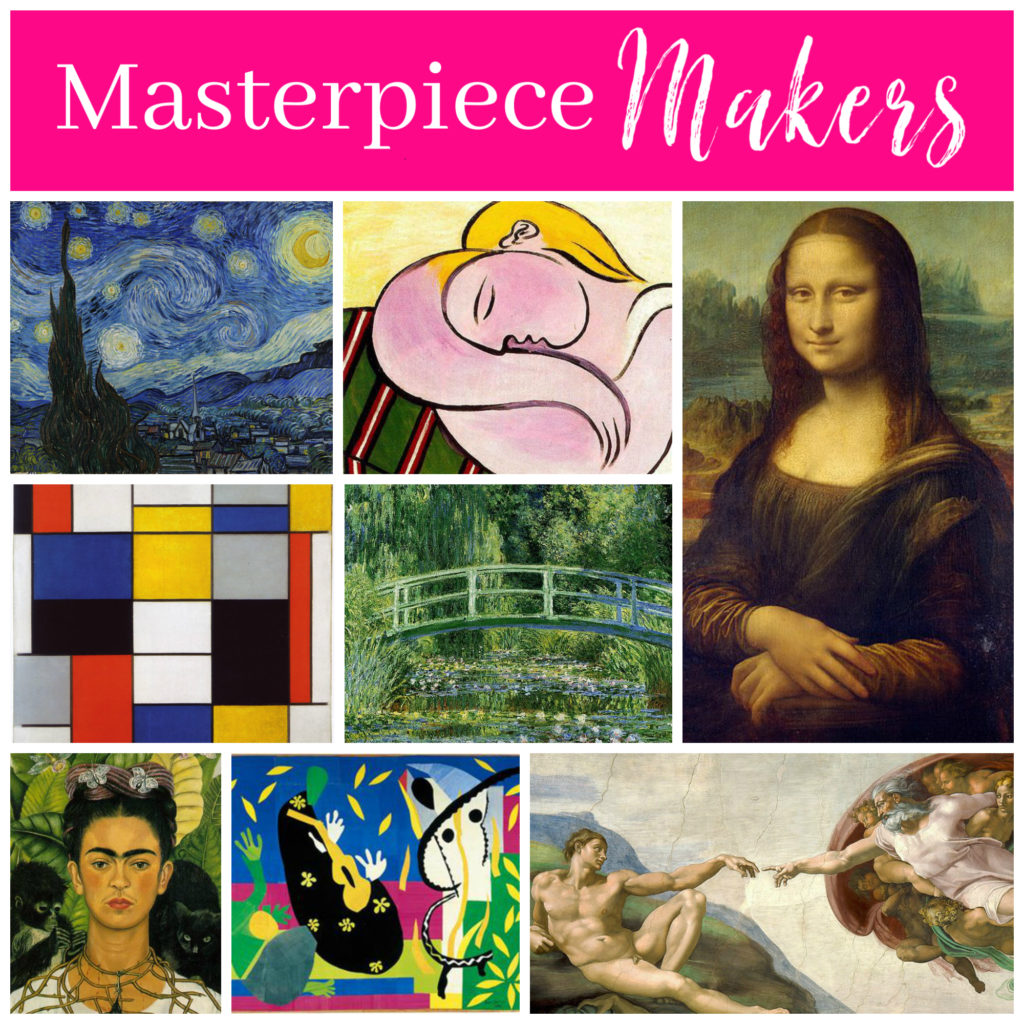
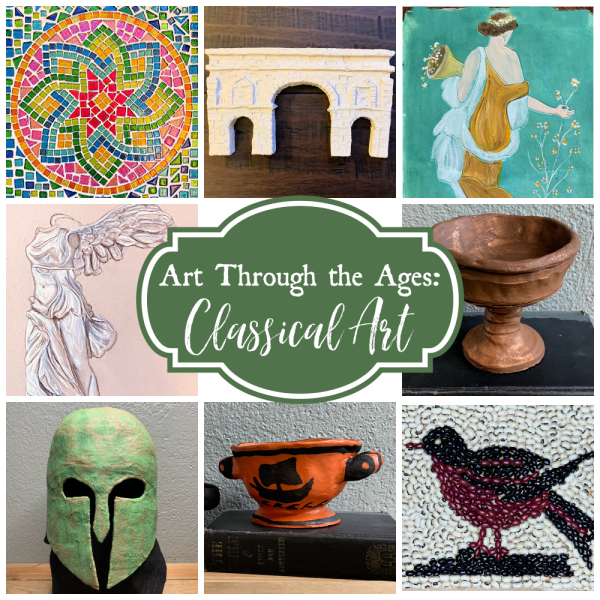
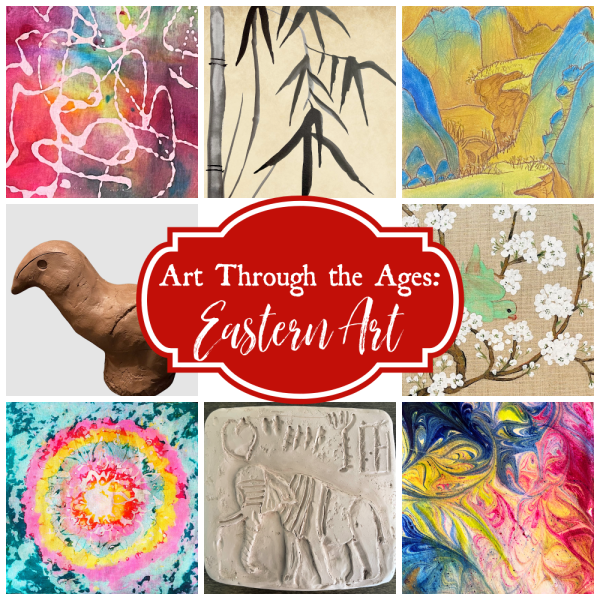
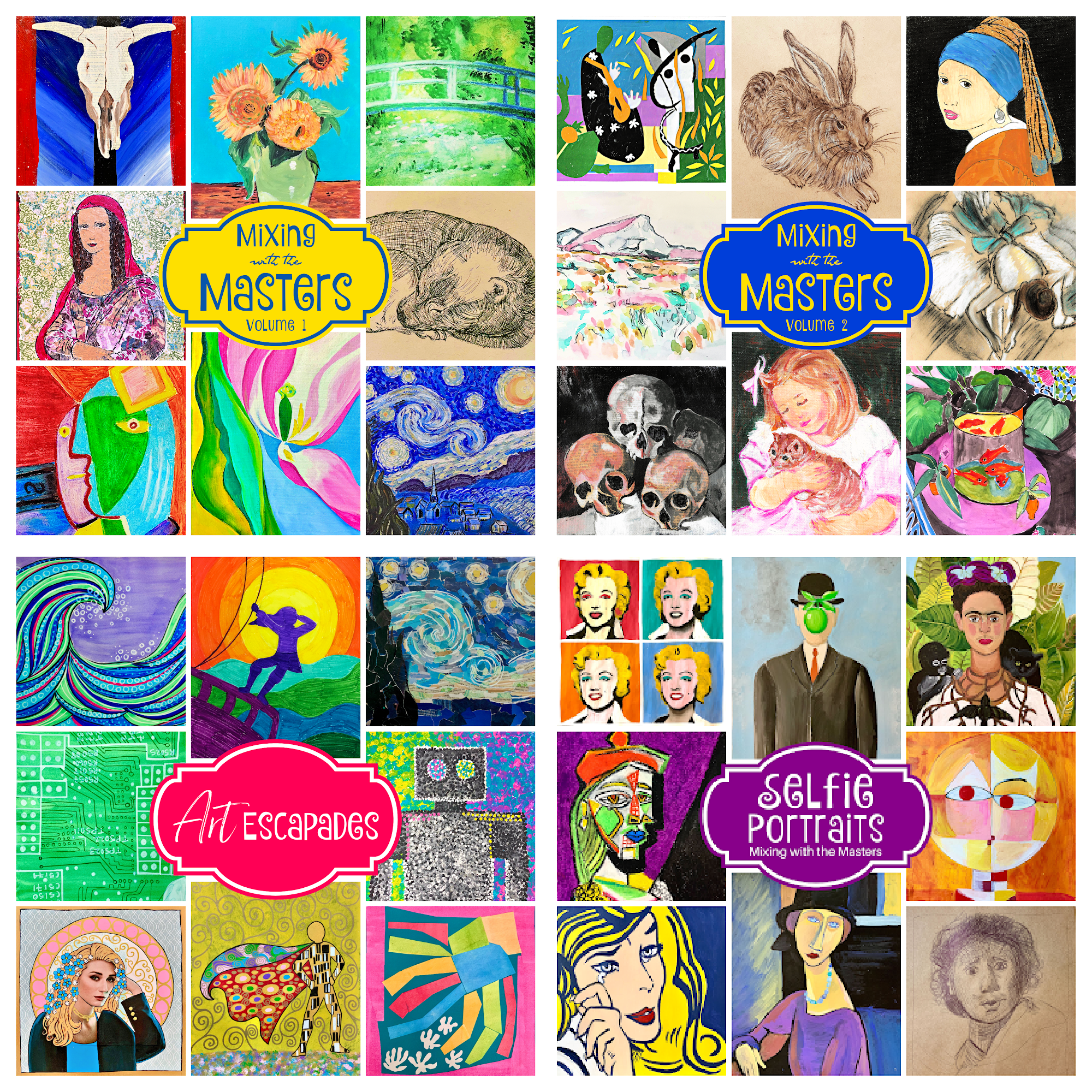
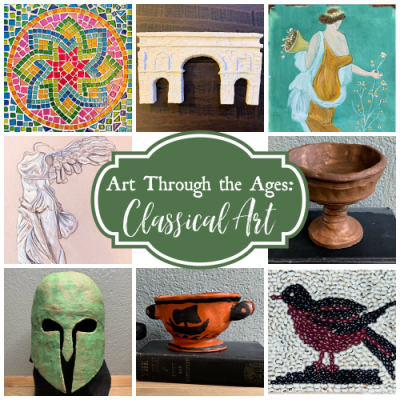
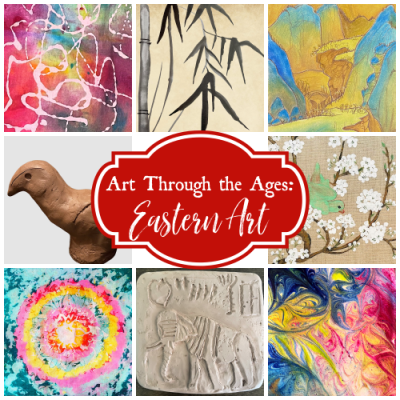
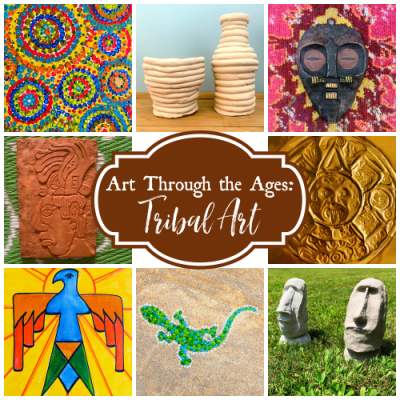
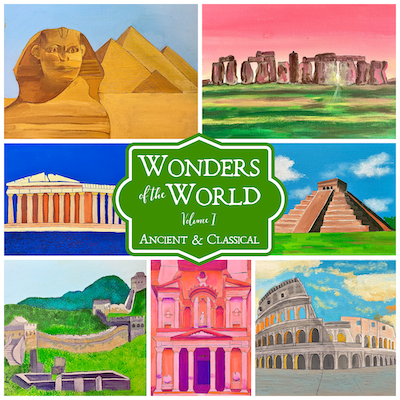
For older students, our Art School courses can provide more focused instruction in drawing, watercolor, acrylics and oils, and pastels. For groups that want to combine art with history and art appreciation, courses such as Mixing with the Masters provide opportunities to encounter artists, styles, and periods while creating. While Art Through the Ages and Wonders of the World connect art with history, geography, architecture, and world cultures.


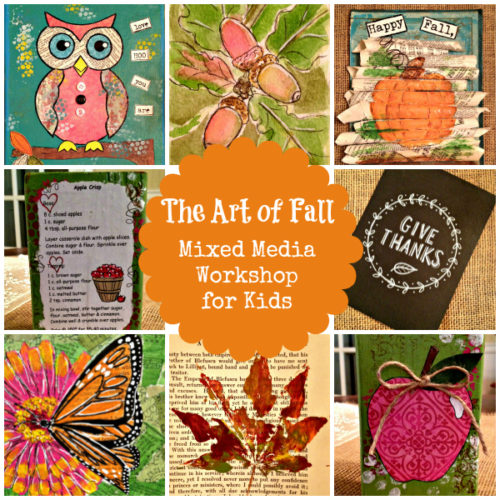
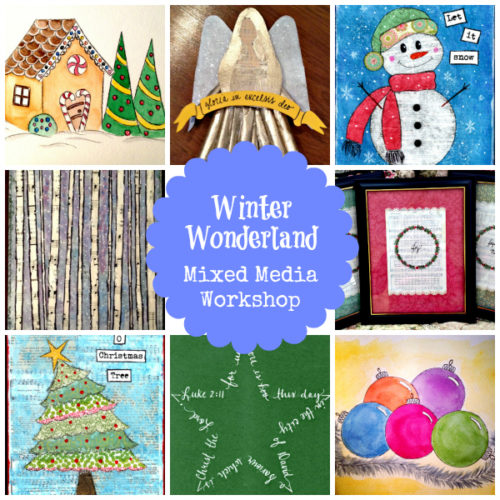
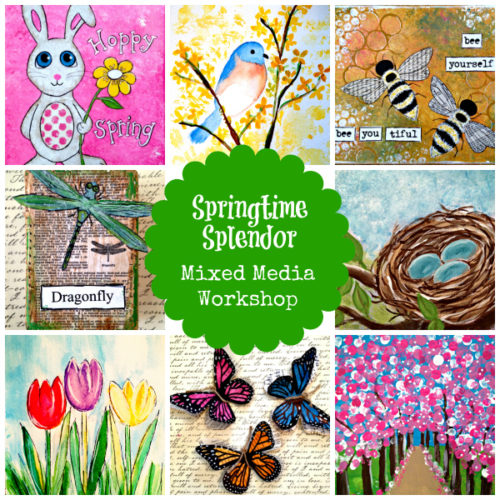
LiterARTure can be a wonderful option for groups that enjoy connecting art and literature, while our Seasonal Mixed Media Workshops can connect art with history, geography, architecture, and world cultures. For mixed-age groups or co-ops that simply want a broad variety of creative experiences, the Masterpiece Society library provides plenty of opportunities to choose projects that fit your particular students.
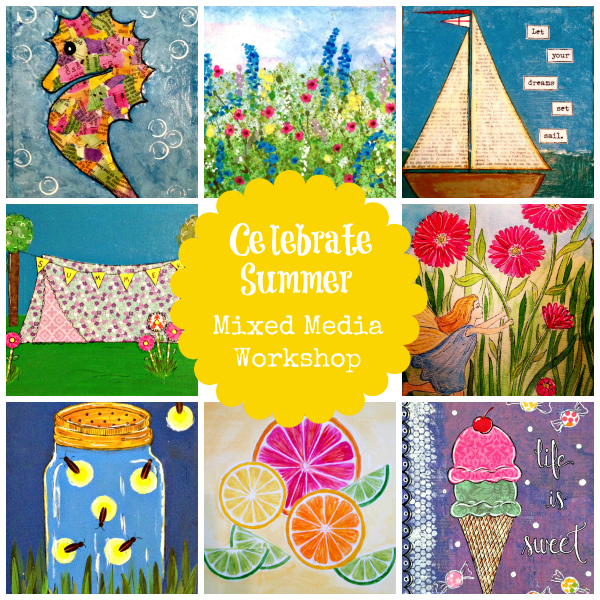


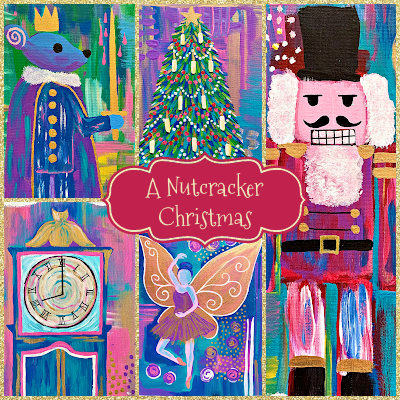

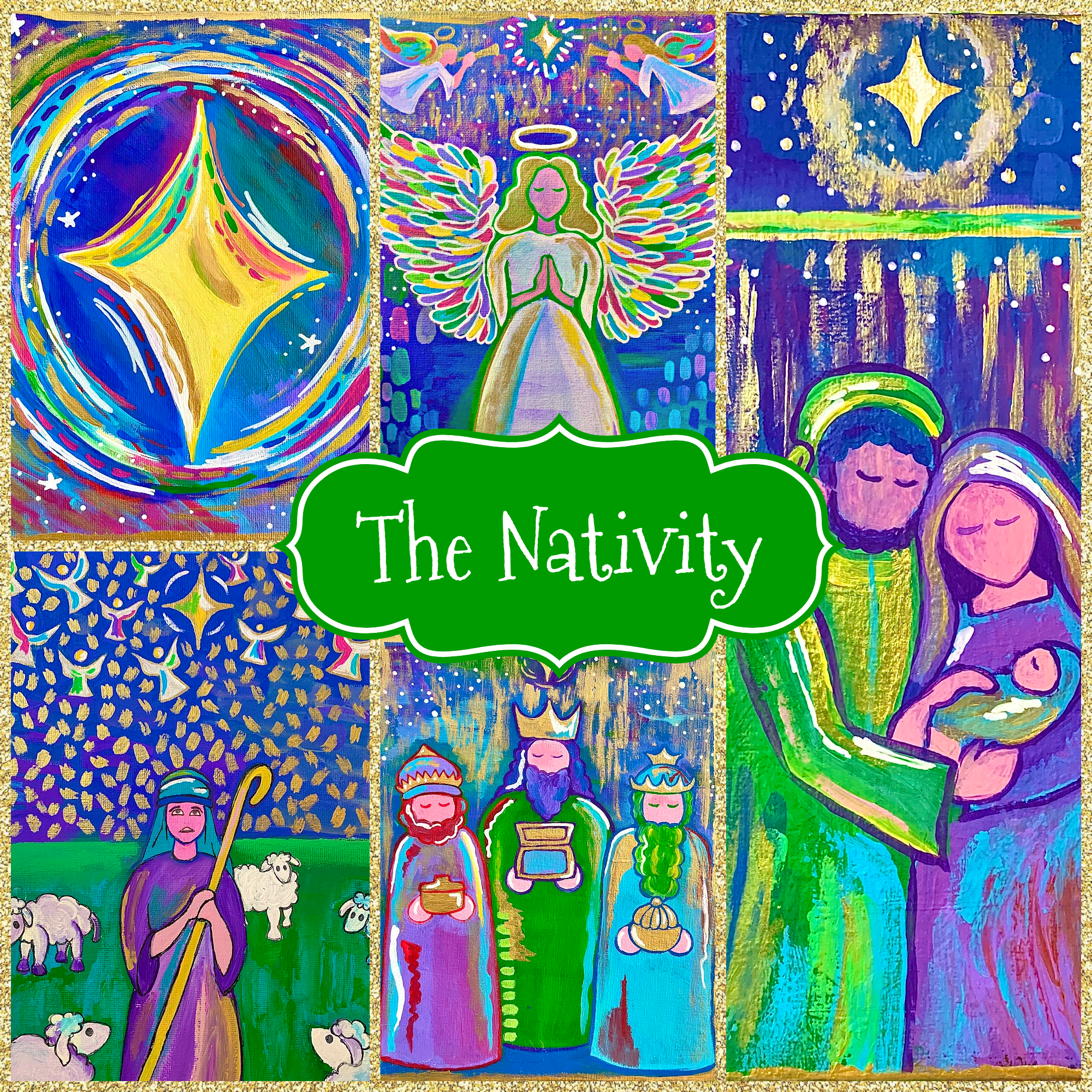
You don't have to recreate someone else's co-op art class. You can build one that works for yours.
Can We Just Use a Regular Family Membership for Our Co-op?
This is an important distinction. A regular Masterpiece Society Studio family membership is licensed for use by one household only. Purchasing a family membership gives your family access to the curriculum and video instruction, but it does not grant permission to reproduce, share, display, or use that content for instruction outside your household.
If you are teaching children from multiple families—whether through a homeschool co-op, learning pod, microschool, school, enrichment program, or other group setting—you'll need the appropriate Masterpiece Society Co-op License.
Like other educational curriculum, Masterpiece Society lessons, videos, downloads, and teaching materials are protected by copyright laws and are provided according to the terms of the license purchased. A family membership is licensed for family use; group instruction requires a group-use license.
Our Co-op License gives you permission to use Masterpiece Society curriculum with your group within the terms of that license. It allows us to make our resources available to homeschool communities while also protecting the many years of work, original artwork, curriculum development, filming, and instruction that have gone into creating Masterpiece Society.
If you're planning to use Masterpiece Society with students outside your immediate household, please visit contact us for current licensing terms, pricing, and details about permitted use.
What If Our Co-op Has Several Art Classes?
Depending on the structure of your co-op, you may want to divide students by age or ability. For example, you could offer one mixed-media class for younger elementary students and a more skill-focused class for middle and high school students. Or you might offer Drawing one semester and Watercolor the next.
This is where having access to a substantial library of art instruction becomes particularly useful. Instead of purchasing an entirely new curriculum every time your class changes, you can choose different lessons and courses according to the students you're serving.
It also gives your co-op room to grow. One year you might offer a broad introduction to art; the next year you could offer drawing, famous artists, or watercolor without simply repeating the same curriculum for returning students.
Make Art One of the Classes They Can't Wait to Attend
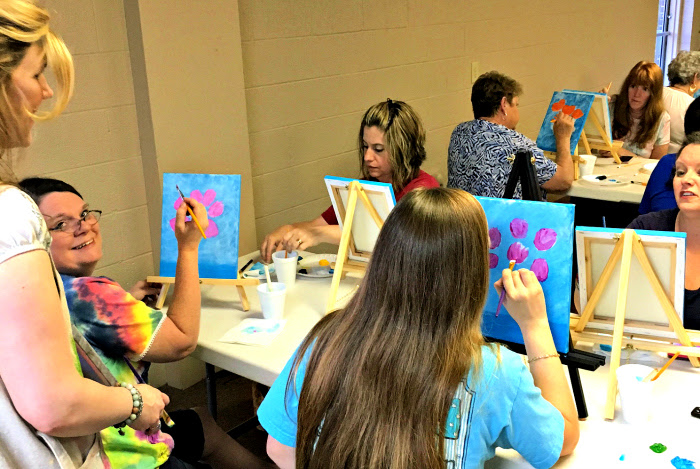
Although I, myself, have never taught a homeschool art co-op class, I have taught art for groups of women and teens.
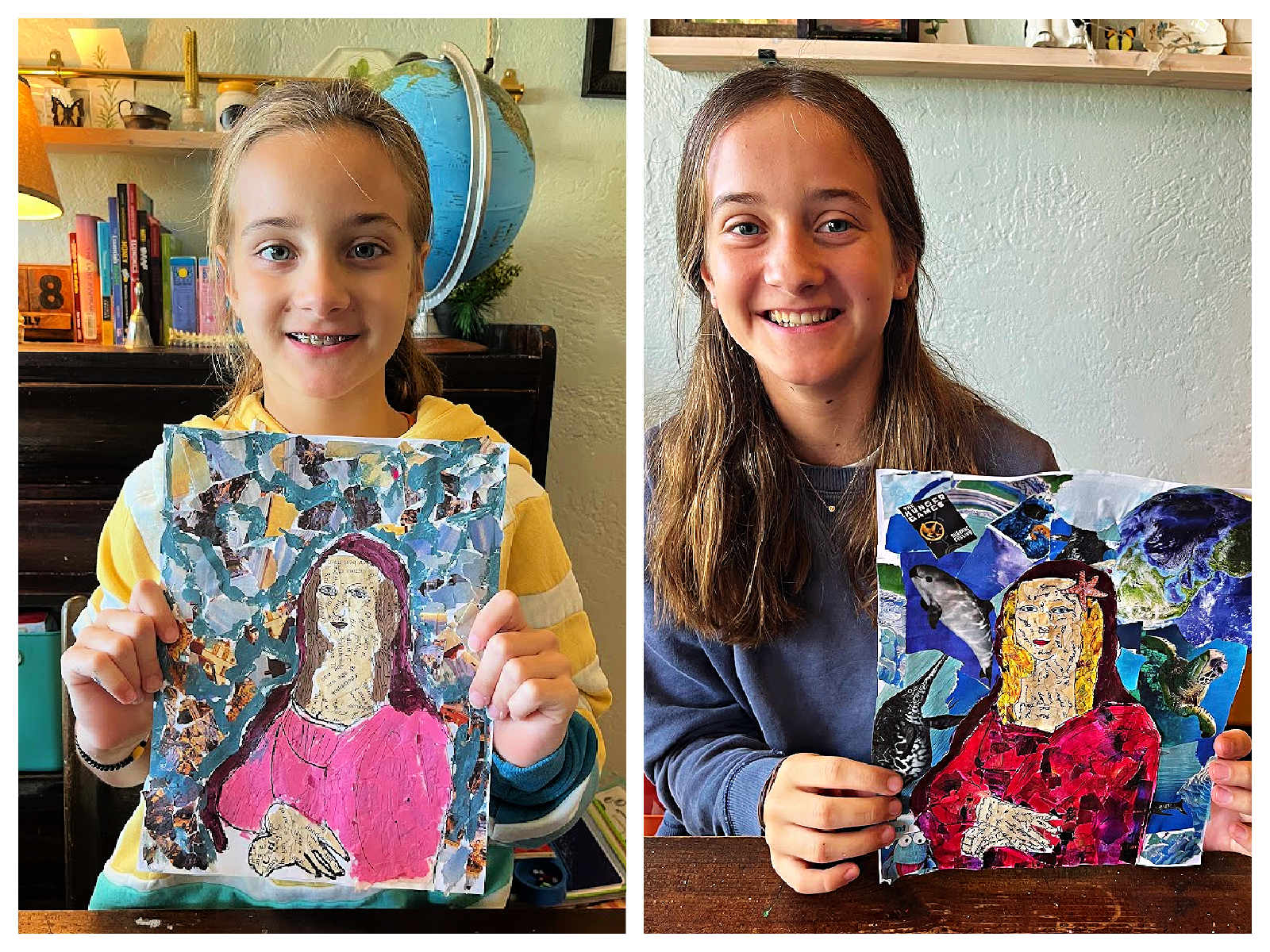
Some of my favorite memories of teaching art have very little to do with perfectly finished paintings. They're the conversations around the table. The one who was convinced she couldn't draw or paint—and then discovered she could. The woman who did something completely different from what I demonstrated and created something absolutely stunning. The moments when I took pictures of the students showing off their artwork and their faces beaming with joy over something they'd painted themselves.
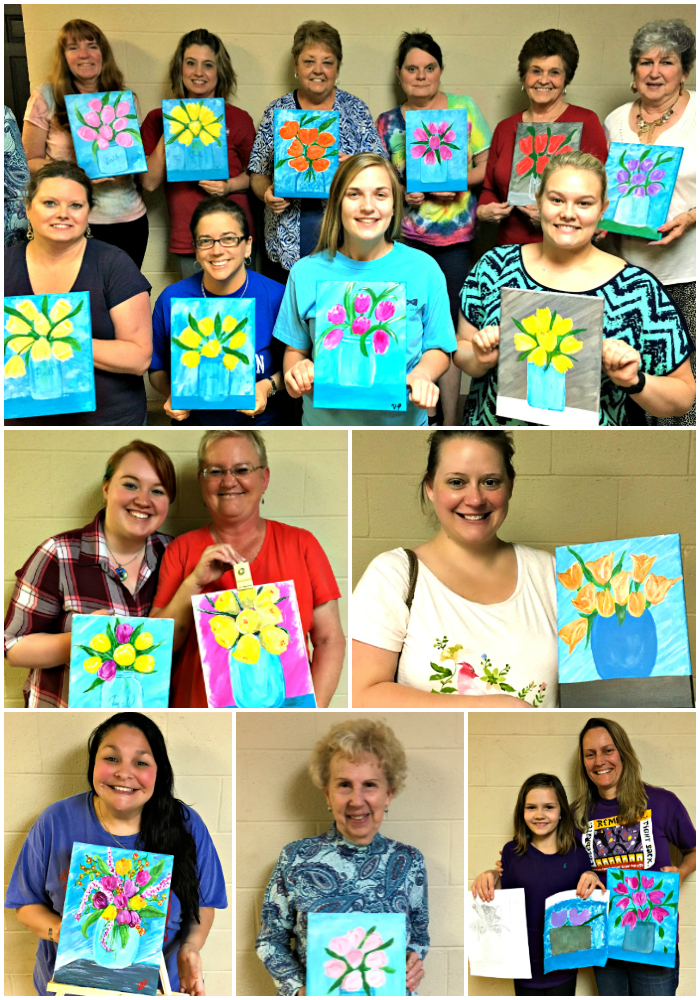
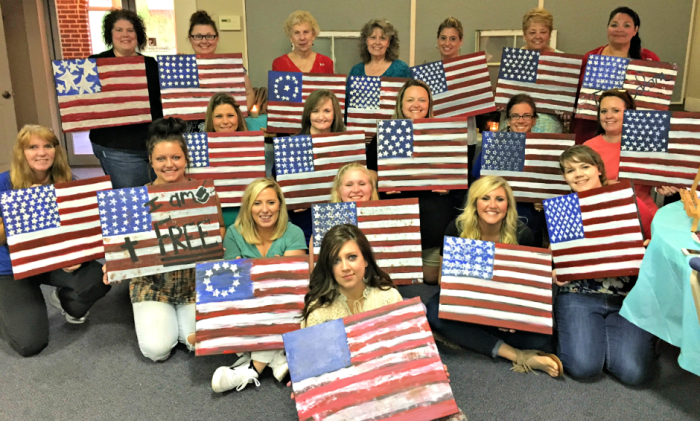
That's what I want a homeschool art class to be.
Yes, we're teaching drawing. We're teaching watercolor. We're teaching color, composition, technique, and art history. But we're also giving children the opportunity to experience the joy of creating alongside other people.
And that's what makes art such a wonderful addition to a homeschool co-op.
If you'd like to bring step-by-step art instruction to your group without having to create an entire curriculum yourself, explore the Masterpiece Society Co-op License and discover how you can use Masterpiece Society with your homeschool community.