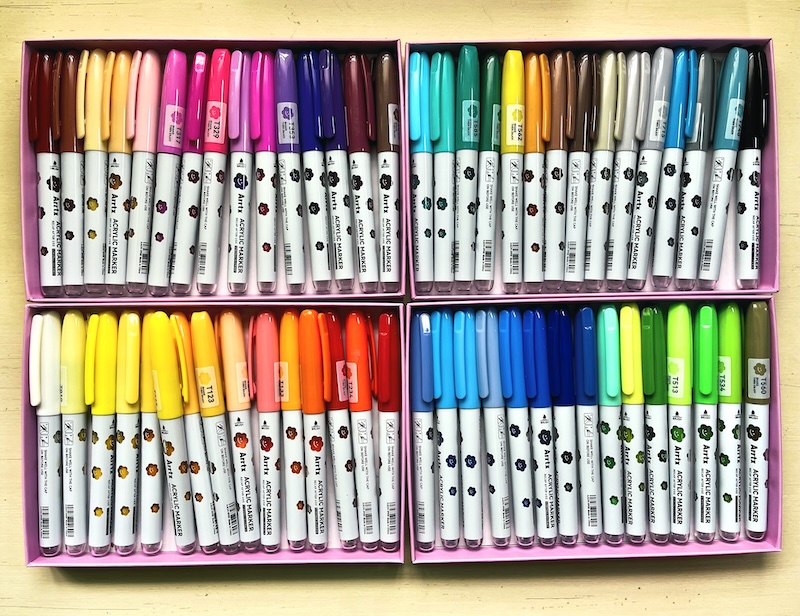
There’s something about a fresh set of art markers that makes you want to clear a spot at the table and start creating. All those colors lined up together! All those possibilities!
But if your homeschool art cabinet already contains markers, colored pencils, watercolors, and acrylic paints, you might reasonably wonder whether acrylic art markers bring anything new to the table.
They can be a useful addition, especially for drawing details, adding patterns, and working over painted backgrounds. Whether they’re worth purchasing depends on the kind of art your children enjoy and how you’d use them.
Let’s look at where they shine, where they have limitations, and when the supplies you already own will do the job beautifully.
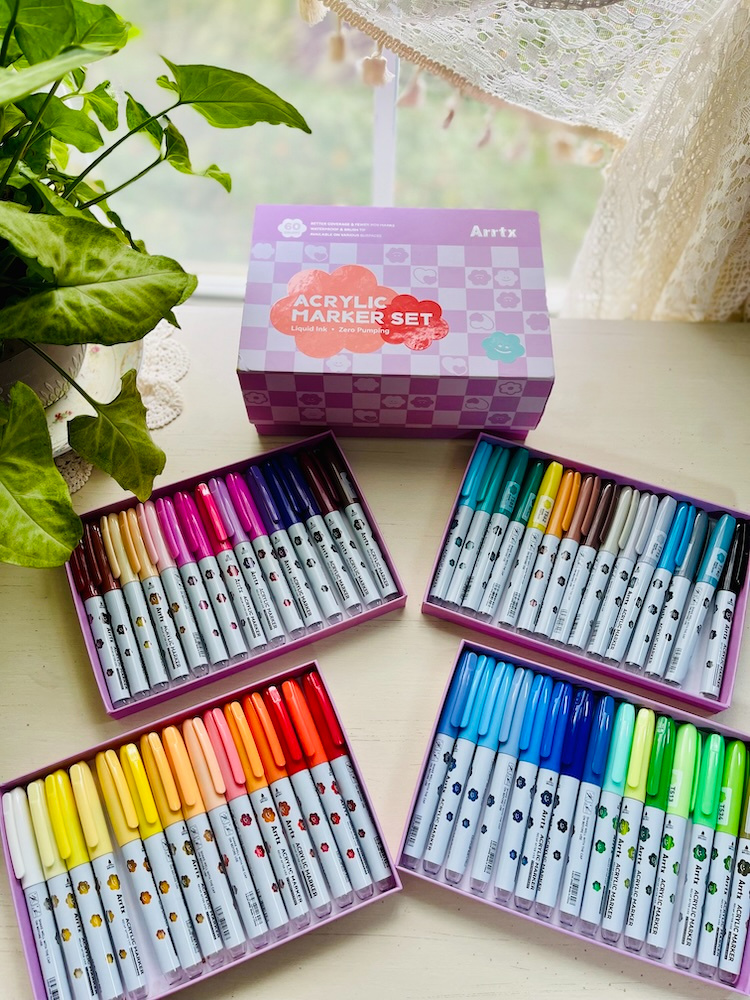
Disclaimer: Arrtx sent me a free 60 Colors Direct Ink Acrylic Markers Set in exchange for my honest review. If you are interested in adding acrylic markers to your homeschool art supplies, then check them out. I do not receive a commission on your purchase.
What Are Acrylic Art Markers?
Acrylic art markers deliver acrylic paint through a marker tip. They give you a familiar drawing tool with some of the possibilities of painting.
One appealing feature is the ability to add color over an existing background. Depending on the marker and color, you can draw light details over darker areas—something ordinary coloring markers generally don’t do well. However, coverage varies. Some colors are more transparent and need another layer to show clearly.
That opens up possibilities such as white stars on a painted night sky, colorful patterns on a dark background, or decorative lines over a finished painting.
Where Acrylic Markers Can Be Useful in Homeschool Art
Adding details to paintings
A child or teen may enjoy painting a large flower but become frustrated when it’s time to add tiny dots, delicate veins, or lettering with a brush.
An acrylic marker can offer a more comfortable way to draw those finishing touches. Fine tips are particularly useful for outlines, small shapes, and details.
Think of windows on a painted village, patterns on a butterfly’s wings, or little highlights on a whimsical animal. Let the background dry first, then experiment on a small area to see how the materials work together.
This also gives children a chance to revisit a piece they thought was finished and ask, “What else could I add?”
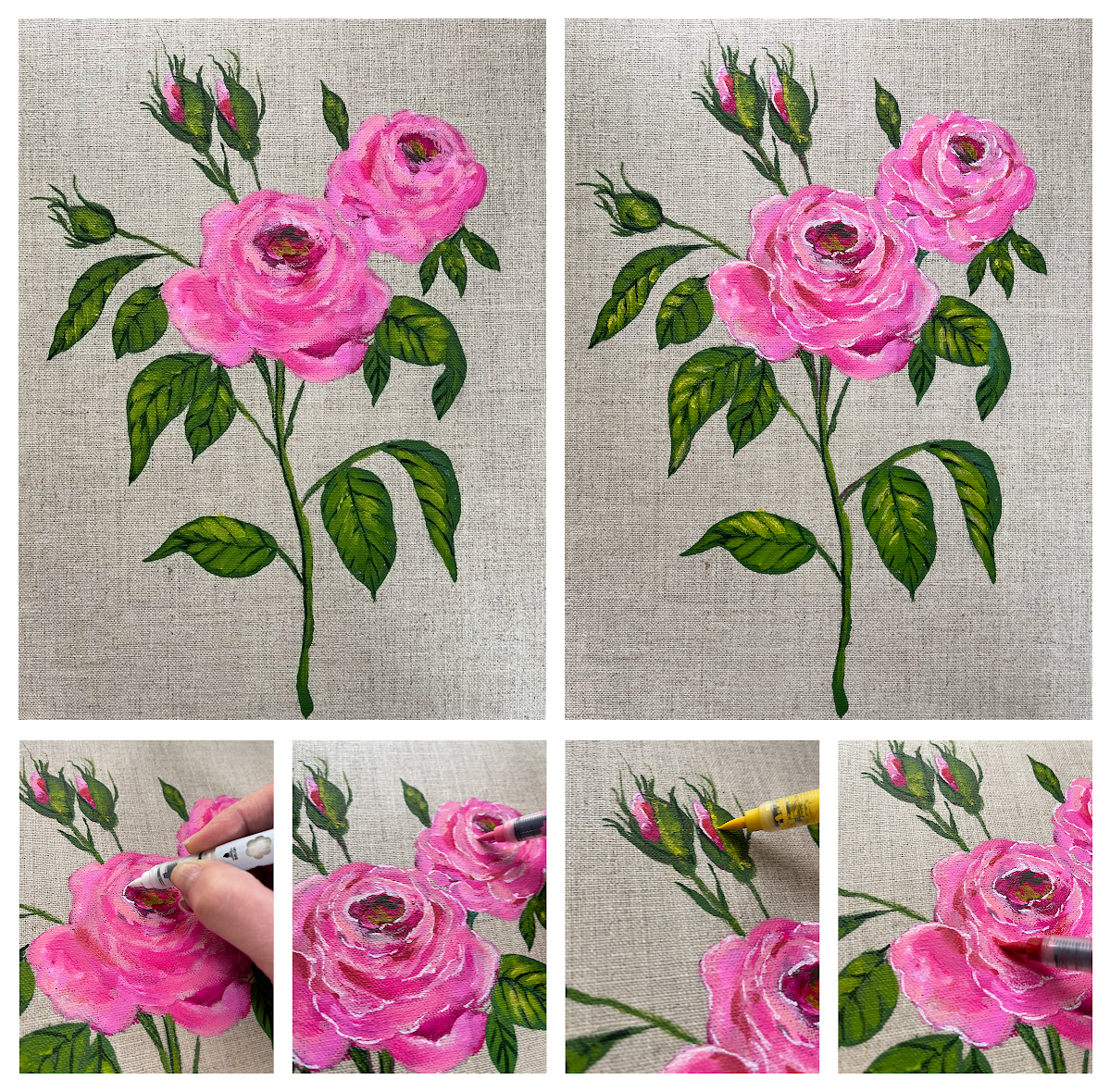
Below is an acrylic rose painting I did but it still looked flat (top left). I used the Arrtx markers to add in some more shadows and highlights to the petals and leaves (top right) which really helped the painting pop!
Exploring line, pattern, and repetition
Acrylic markers lend themselves to projects built around repeated marks: stripes, dots, scallops, spirals, dashes, and overlapping shapes.
Children could fill a bird silhouette with patterns, decorate a page of imaginary houses, or create an abstract composition using just a few colors. Teens might enjoy illustrated lettering, botanical drawings, or more intricate geometric designs.
These projects offer plenty of room for individual choices. Even when everyone begins with the same simple shape, the finished pieces can look wonderfully different.
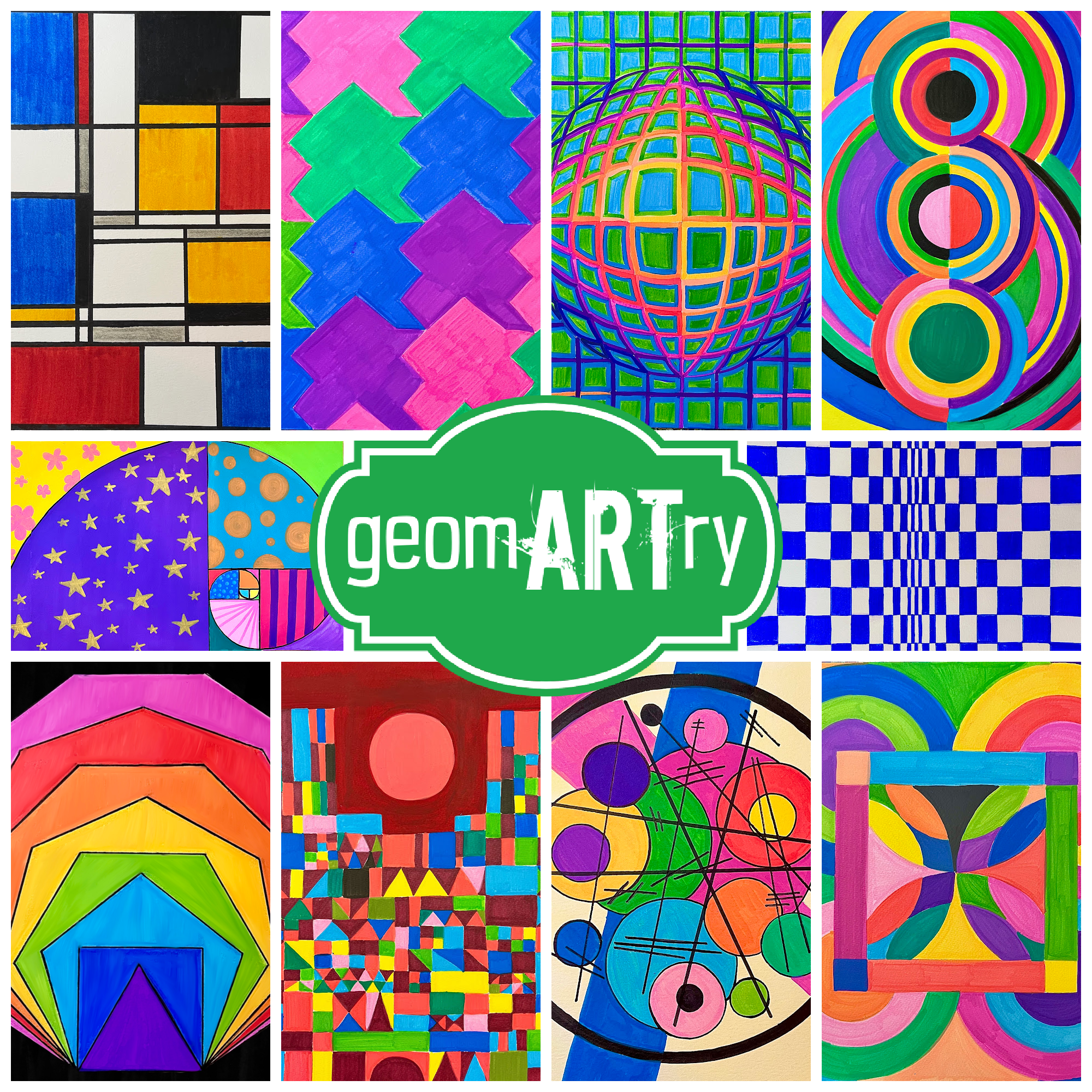
Check out our GeomARTry course for older kids and teens. It's super fun and can be done with markers only!
Making short art sessions easier to begin
Sometimes the biggest obstacle to art is getting everything out.
A small selection of markers and a suitable sketchbook can make a short creative session easier to fit into the day. There’s no palette to prepare or collection of brushes to wash afterward.
That convenience may be valuable for a child who wants to draw between lessons, a teen working on a sketchbook habit, or a mom who would enjoy sitting down to create alongside her children. I always put several art markers in a small bag when I travel along with my smaller art journal.
There’s still paint involved, though, so it’s sensible to protect the table and dress accordingly. And if you are traveling in higher elevations always make sure that the first time you open them, you do so very carefully! (Ask me how I know...thanks, Rocky Mountains! 😅)
Exploring different surfaces
Some acrylic markers, like these Arrtx ones are suitable for surfaces beyond paper, including wood, stone, and canvas. Check the instructions for your particular set, since preparation and durability depend on both the marker and the surface.
For a homeschool project, you might try decorating a small wooden ornament, adding a design to a smooth rock, or drawing details on a canvas painting. Start with an inexpensive test piece. It’s much more enjoyable to discover how a material behaves before putting hours into a project.
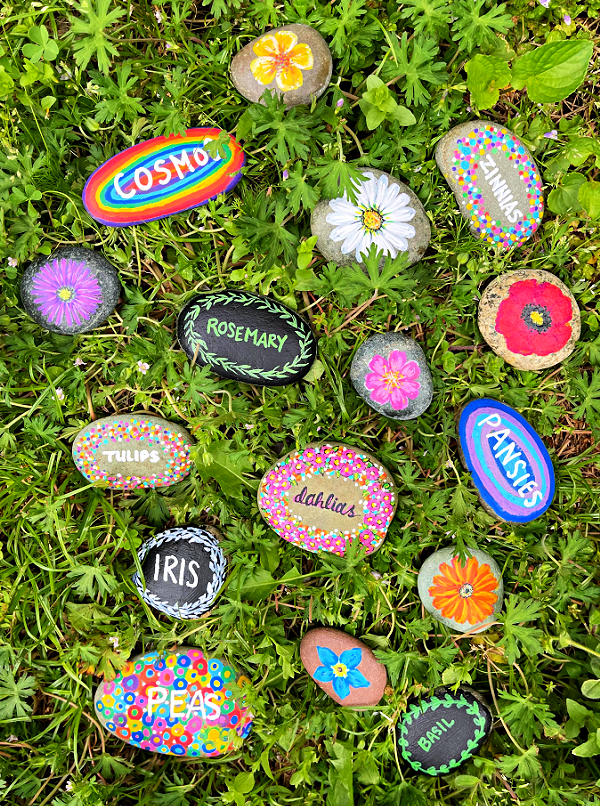
Check out our "Secret Garden" series on our sister site, Awaken to Delight, and make these fun garden markers with rocks and acrylic markers:
What Are Their Limitations?
Acrylic markers have their uses, but they also have a few frustrations worth considering.
They don’t offer the same color-mixing experience as paint. With a palette and brush, children can explore how much yellow changes a green or how a tiny touch of blue cools a color. A marker set provides a selection of ready-made colors. That can be convenient, but painting still deserves a place in your homeschool for those hands-on discoveries.
Large areas may be easier to cover with a brush. Filling an entire background with a fine marker can become tedious. A useful combination is to paint the larger shapes first, then use markers for smaller additions.
The paper matters. Before beginning a finished piece, test your markers on the paper you intend to use. Check the front and back, try a second layer, and see what happens when you work over the same spot. This simple experiment can prevent disappointment later.
They need care. Caps need to go back on promptly, and the tips need to be kept in good condition. Some markers require shaking and pressing the tip to start the paint flowing; follow the directions for your set and practice on scrap paper first. Liquitex, for example, provides specific guidance for cleaning wet paint from its marker nibs.
Water-based doesn’t mean washable. Dried acrylic marker paint can be water-resistant on many surfaces. Treat these as painting supplies rather than assuming they’ll clean up like children’s washable markers.
For younger children, you may decide that a washable marker set is a better fit for independent use, with acrylic markers brought out for supervised projects.
Do They Add Anything Beyond the Supplies You Already Own?
The main thing acrylic markers add is the convenience of drawing with paint. You can make dots, lines, and highlights with acrylic paint and a brush, too. The marker simply offers another way to make those marks. For some children, that familiar grip makes detailed work more approachable.
If your children mostly enjoy coloring on white paper, their ordinary markers may already meet their needs. If they love mixing colors, experimenting with brushstrokes, and painting broad backgrounds, keep giving them opportunities to paint.
But if they enjoy decorating painted surfaces, adding patterns, illustrating, or combining different materials, acrylic markers may become a frequently used tool. A useful question is: Can we name two or three projects we’d actually like to make with these? If ideas immediately come to mind, you have a clearer reason to try them.
I will say, however, I absolutely love working with acrylic markers far better than using ultra-thin paintbrushes. They are definitely quicker, easier, and much more maneuverable!
10 Creative Ways to Use Acrylic Art Markers Beyond Your Homeschool
These markers can find their way into your own creative projects, too! From a quiet afternoon with your sketchbook to making something thoughtful for a friend, here are ten ideas to try.
- Add personality to your art journal. Draw flowers, borders, little symbols, or handwritten words over dry painted backgrounds. Repeat a few colors throughout the page to bring the different elements together.
- Create handmade greeting cards. Illustrate a birthday cake, a vase of flowers, or a cheerful little house. Add a simple message, and you have something personal to tuck into an envelope.
- Make a collection of painted bookmarks. Cut sturdy cardstock into strips and decorate them with botanical designs, colorful patterns, or tiny stacks of books. Pair one with a favorite novel for an easy gift.
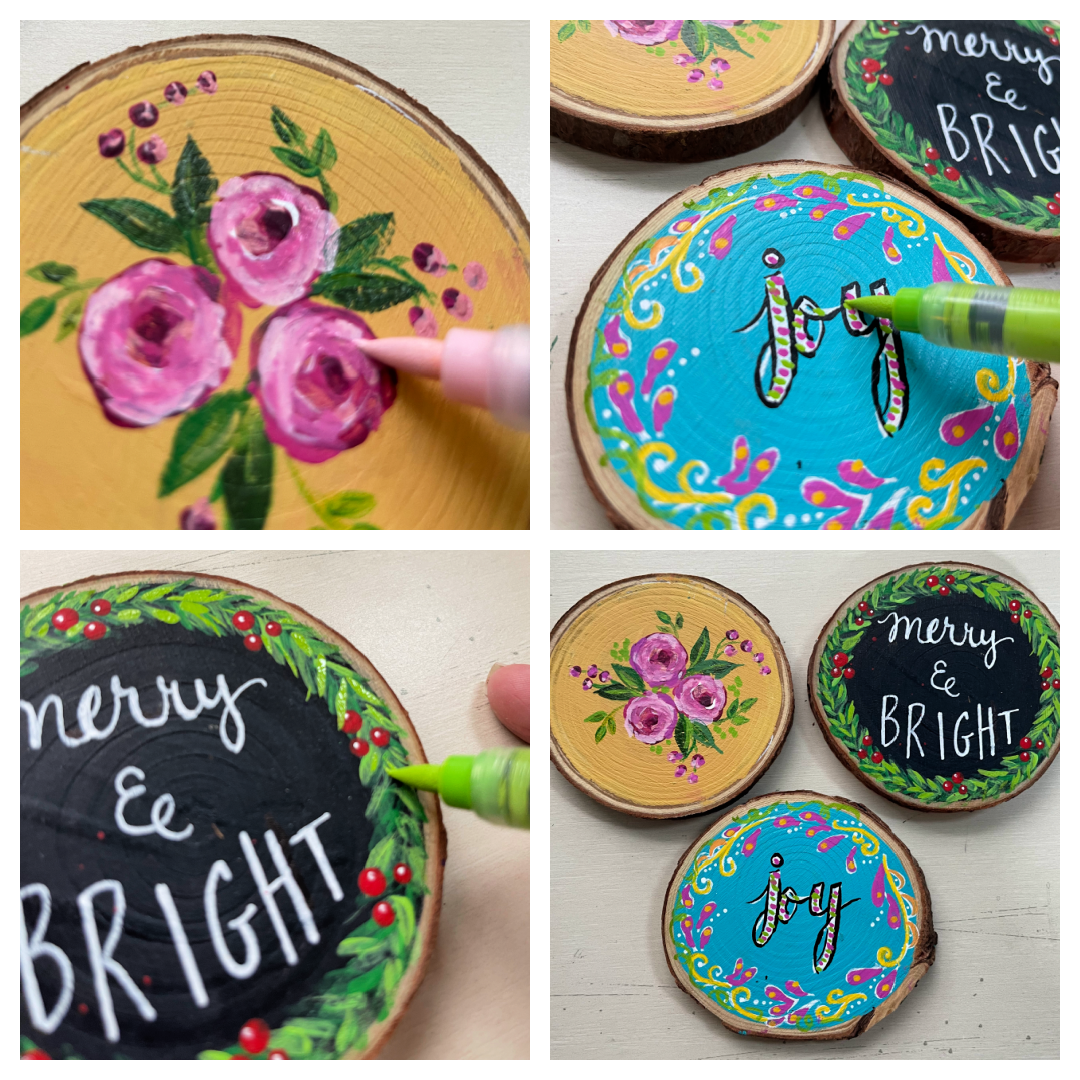
- Decorate wooden ornaments. Turn unfinished wooden shapes into keepsakes with flowers, snowflakes, whimsical houses, or family names. You could create a new design each Christmas or make a coordinated collection to give away.
- Illustrate meaningful words and Scriptures. Combine a favorite verse, encouraging phrase, or single word with a simple floral border. Sketch your lettering lightly in pencil first, then add color and decorative details.
- Give a thrifted picture frame a creative refresh. Add tiny daisies, trailing vines, stripes, or a playful scalloped pattern to a suitable frame. Choose colors that complement the photograph or artwork you plan to display.
- Paint miniature works of art. Create a tiny landscape, a bowl of lemons, or a cheerful floral arrangement on a small canvas or canvas board. Prop it on a miniature easel beside your desk or give it to a friend.
- Personalize gift wrapping. Draw directly on sturdy kraft paper, gift tags, or plain paper gift bags. Try sprigs of greenery, scattered stars, little bows, or a design inspired by the person receiving the gift.
- Make decorative garden stones. Illustrate smooth stones with strawberries, bees, flowers, or fanciful little cottages. Arrange them among your potted plants or use them as colorful accents on a covered porch.
- Create paper for collage. Fill a sheet with loose flowers, overlapping shapes, scribbles, or repeated patterns. Tear or cut it into pieces to use in art journals, handmade cards, and mixed media artwork. It’s a lovely way to experiment without worrying about making a finished picture.
For projects on wood, stone, frames, or other surfaces, check your markers’ instructions for preparation and finishing. Test a small area first, especially if the finished piece will be handled frequently or displayed outdoors.A Simple Project to Try
So, Are Acrylic Art Markers Worth It?
They can be, particularly for children and teens who enjoy detailed, decorative, or mixed media art. They offer a convenient way to add painted marks without preparing a palette for every little addition.
You don’t need an enormous collection to find out whether they suit your family. A small set—or a few individual colors, if available—can give you room to experiment.
The best art supplies are the ones your family reaches for and enjoys using. If acrylic markers help your kids and teens sit down, explore an idea, and keep creating, they’ve earned their spot in the art basket.
I was quite pleased with these markers from Arrtx, so again, I encourage you to check them out.