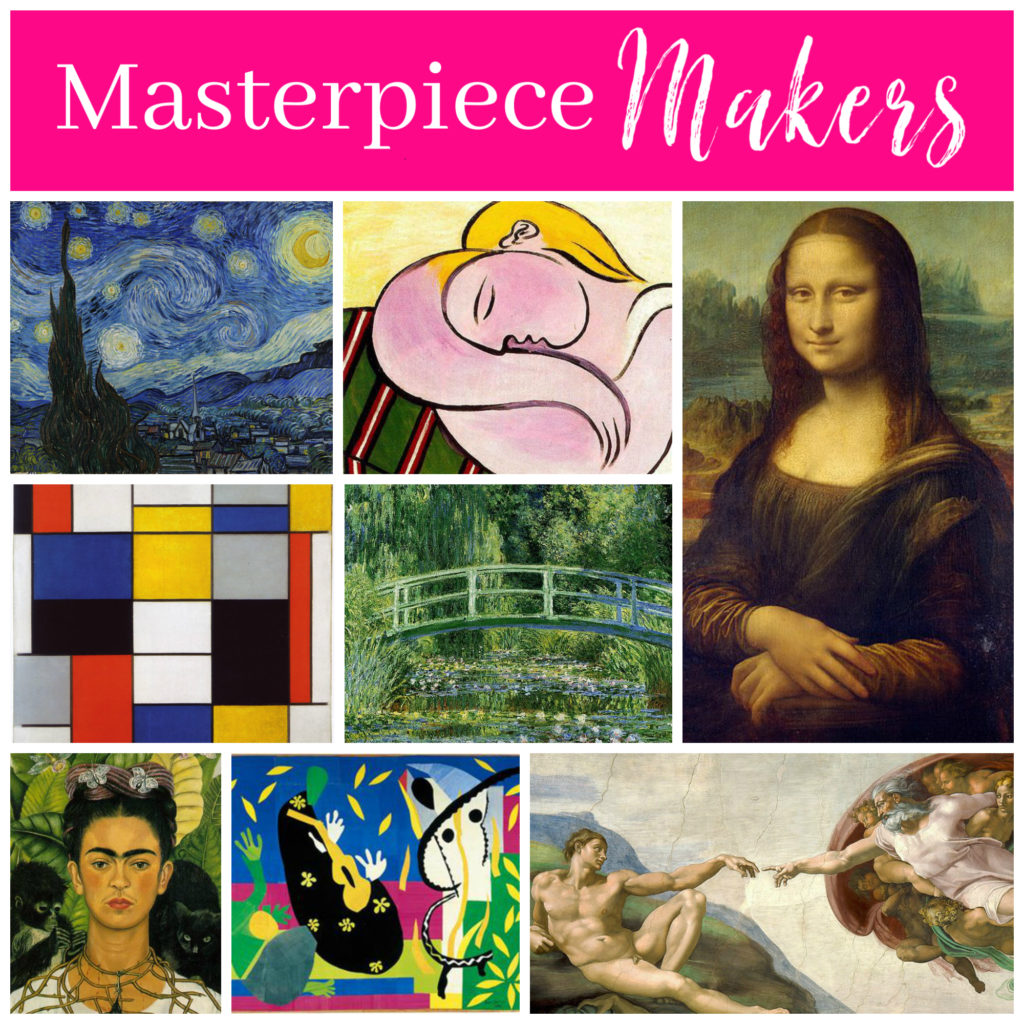
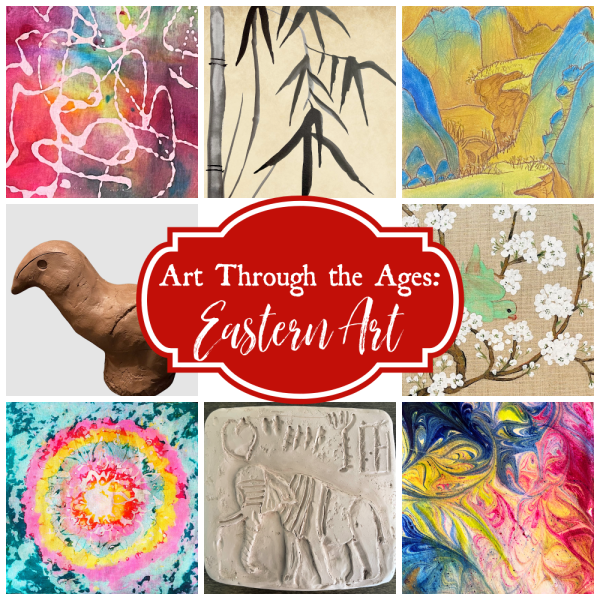
Looking for a homeschool drawing curriculum? Explore online drawing lessons for preschoolers, elementary kids, middle schoolers, and teens with step-by-step instruction from Masterpiece Society.
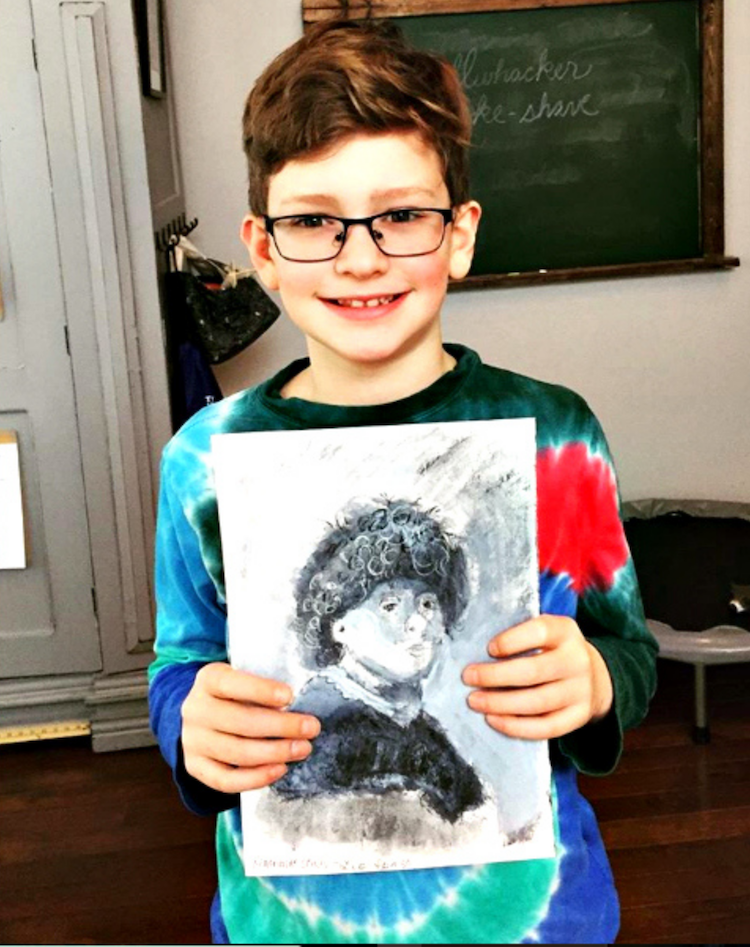
Drawing is one of the most foundational skills your child can develop as a young artist.
Before children learn to paint realistically, work with pastels, illustrate stories, design characters, or create more complex works of art, they benefit from learning one deceptively simple skill: How to really see what is in front of them—and translate it onto paper.
That is what drawing teaches.
And the wonderful thing about teaching drawing in your homeschool is that you do not have to be an artist yourself. With good instruction, a few basic supplies, and plenty of opportunities to practice, children can develop drawing skills gradually from the preschool years all the way through high school.
At Masterpiece Society, we believe drawing is a skill that can be learned.
If you can learn to write, you can learn to draw.
Drawing isn't a talent you're born with, it's a skill you can learn and develop.
Drawing is about learning to see...
Some children may begin with more natural confidence than others, but drawing isn’t a mysterious talent that you either possess or don’t. Observation, line, shape, proportion, value, form, perspective, and composition can all be taught and practiced.
A good homeschool drawing curriculum gives children those tools while still leaving room for their own creativity and artistic voice.
Why Drawing Belongs in Your Homeschool Art Curriculum
Drawing is sometimes treated as simply one more art medium—something to do with pencils before moving on to the “real” fun of paint. But drawing is much more than that.
When children learn to draw, they’re also learning to observe. They begin noticing the curve of a bird’s wing, the angle of a roofline, the shape of the space between two objects, the way light creates shadows across a face, and the subtle differences between what they think something looks like and what is actually there.
Those observation skills transfer into nearly every other visual art medium.
A child who understands shape, proportion, value, form, and composition brings those skills into watercolor, acrylics, oils, pastels, mixed media, nature journaling, illustration, and more.
That’s one reason drawing has such an important place in the Masterpiece Society art curriculum.
What Should a Homeschool Drawing Curriculum Teach?
For young children, learning to draw should begin simply. They need opportunities to experiment with lines and shapes, build hand-eye coordination, and discover that complicated subjects can often be broken down into simpler forms.
As children grow, drawing instruction can become increasingly sophisticated.
A well-rounded drawing education can eventually introduce concepts such as line and contour, shape and form, proportion, positive and negative space, value and shading, texture, perspective, gesture, composition, observational drawing, and different drawing media.
Students can also experiment with graphite, charcoal, pen and ink, brush drawing, and combinations of drawing and painting media.
The goal isn’t simply to help a child copy one particular picture.
It’s to give them a collection of skills they can eventually use to draw whatever they want to draw.
Homeschool Drawing Curriculum for Preschoolers
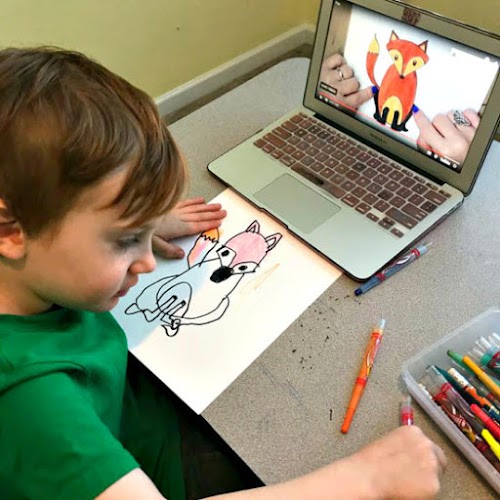

Young children don’t need formal, technical drawing instruction. They need short, encouraging lessons that help them make the connection between the shapes they see and the marks they make on paper.
Inside Masterpiece Society Studio, our members have access to Step-by-Step Drawing for Preschoolers, created especially for our youngest artists.
Instead of expecting a preschooler to create a polished drawing, these lessons gently introduce the process of following simple drawing directions and putting basic shapes and lines together. At this age, keep drawing playful.
Let the circle be a little lopsided. Let the animal have enormous ears. Let your child decide that the sky should be purple. Technical skill can grow over time. Right now, we’re building confidence and helping children discover: “I can draw!”
Drawing Curriculum for Elementary Homeschoolers

As children move into the elementary years, they can begin tackling more recognizable subjects while continuing to develop observation and drawing skills.
Animals are especially wonderful subjects for this age.
Masterpiece Society Studio members can explore Drawing Animals with Kristen, a members-only course designed for elementary-age artists.
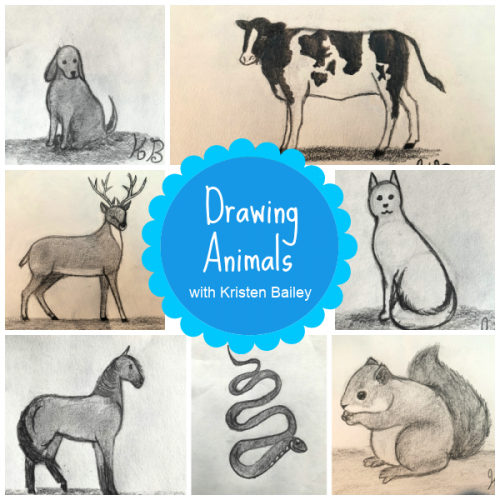
Learning to draw animals gives children opportunities to notice shapes, proportions, textures, patterns, and the characteristics that make one animal different from another.
And because kids so often want to draw animals, it gives them a meaningful reason to practice.
This is an important part of our overall philosophy at Masterpiece Society: skill-building doesn’t have to feel dry or disconnected from the things children already love.
Don’t Forget Open-Ended Drawing
Not every drawing lesson needs to be about drawing something recognizable.
Sometimes children need permission to explore what lines, shapes, values, textures, and marks can do.
That’s why I also love open-ended art experiences.
Our free Creative Juice: Monochromatic Open Ended Art Lessons on YouTube give children opportunities to explore art with a limited palette while focusing on creative decision-making rather than reproducing one exact finished project.
These lessons make a wonderful complement to more structured drawing instruction.
Think of the two approaches as working together.
Structured instruction gives children tools. Open-ended art gives them opportunities to use those tools creatively.
Children need both.

👉 Watch Our Drawing Prompts on YouTube
Homeschool Drawing Curriculum for Middle & High School
Eventually, many young artists reach a point when they want more. They aren’t satisfied with simply following a tutorial to draw one particular object. They want to know: Why doesn’t this face look quite right? How do I make something appear three-dimensional? How do I shade realistically? How do artists get proportions right? How do I draw what I’m actually seeing?
That’s where more formal drawing instruction becomes valuable.
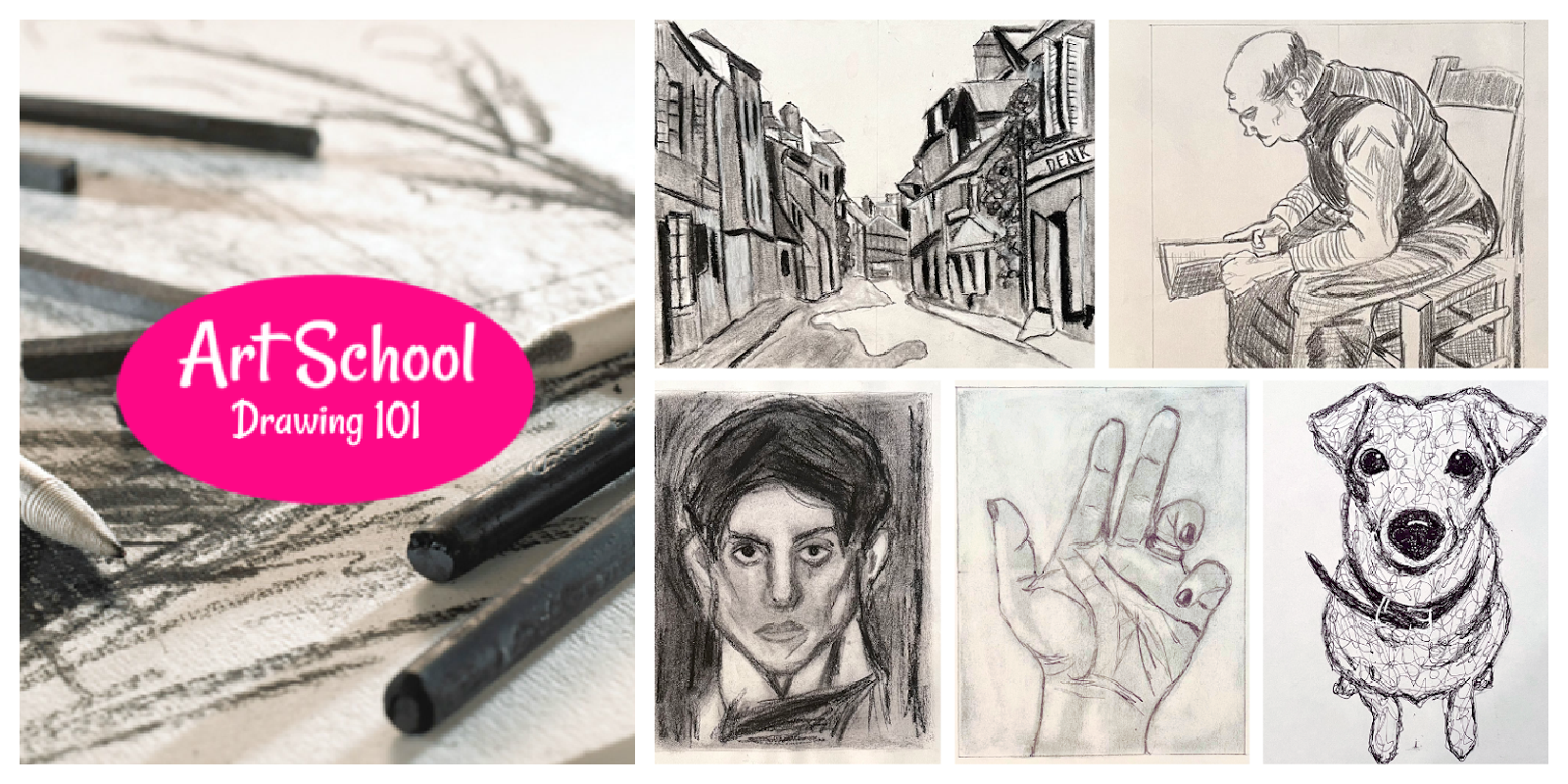
Art School: Drawing 101
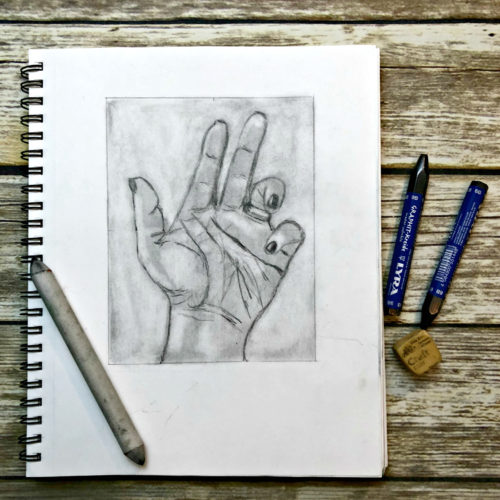
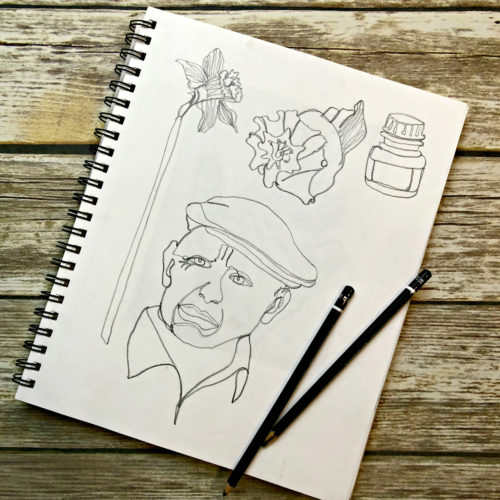
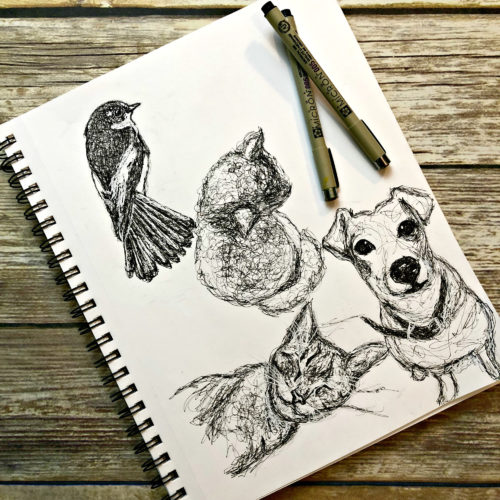
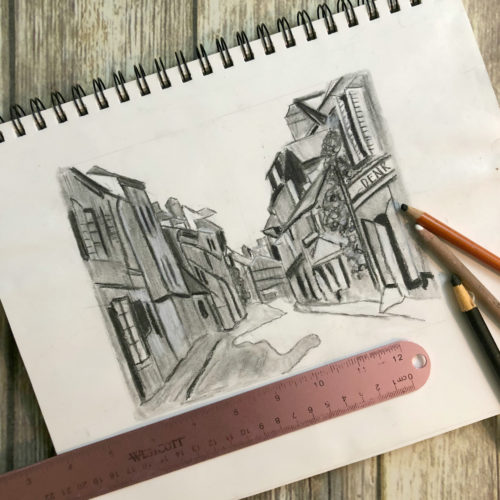
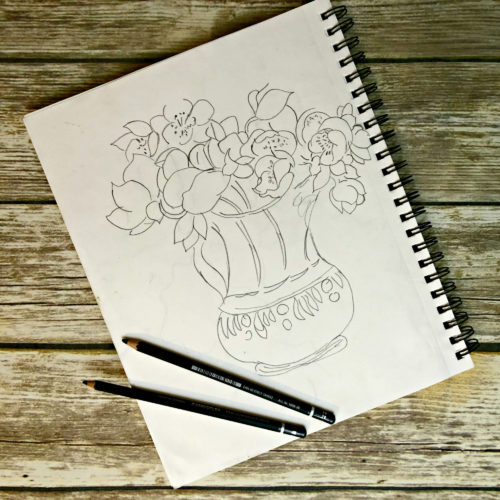
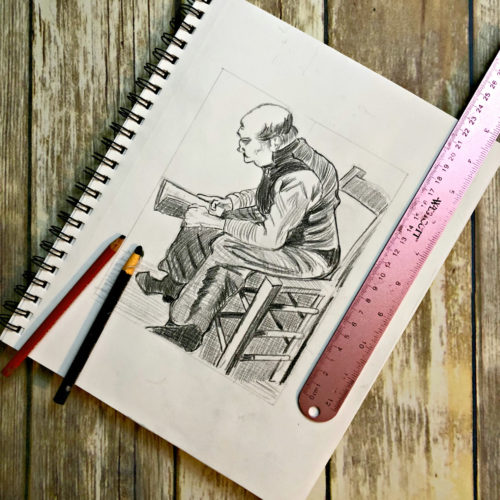
Our Art School: Drawing 101 course was created for middle and high school students who are ready to build a strong foundation in drawing.
Students work with graphite, charcoal, and pen and ink while learning classical and modern drawing techniques.
Rather than completing a collection of unrelated drawing projects, students explore techniques such as hatching and cross-hatching, contour and blind contour drawing, continuous line and scribble drawing, directional line, line and wash, brush drawing, gesture drawing, negative space, proportion, and more.
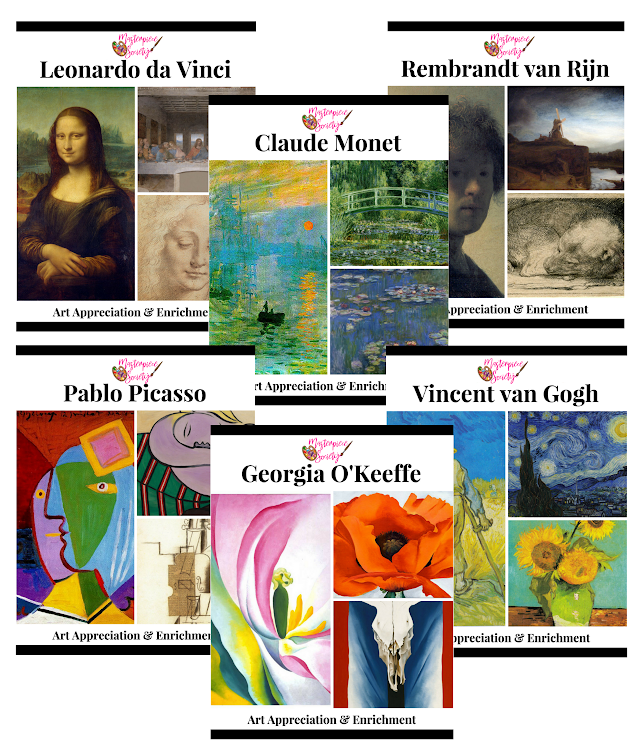
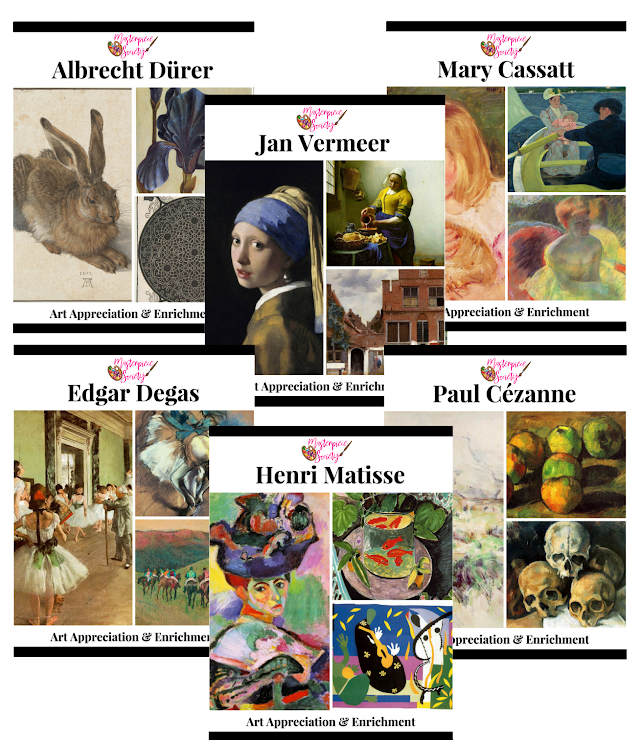
They also study drawing through the work of master artists including Henri Matisse, Vincent van Gogh, John Singer Sargent, Claude Monet, and Pablo Picasso.
With more than 35 lessons, Drawing 101 gives students plenty of opportunities to practice, experiment, and develop their skills.
Most importantly, they’re learning to see like an artist.
👉 Explore Art School: Drawing 101
Can Drawing 101 Be Used for High School Art?
Absolutely. Drawing 101 was created to form the instructional foundation of a homeschool high school drawing course.
Depending upon your state’s homeschool requirements, you can combine the video lessons and exercises with sketchbook work, independent drawing practice, artist studies, art appreciation, museum visits, and completed artwork to create a substantial high school fine arts experience.
Keep your teen’s drawings—or photographs of larger pieces—as part of their homeschool records and portfolio.
One of the advantages of homeschool art is that students don’t have to rush through a technique simply because the class period has ended. They can pause the video. Practice again. Spend an afternoon on a drawing. Revisit an earlier lesson months later.
Art develops through practice, and homeschooling gives young artists the gift of time.
What Drawing Supplies Do Homeschoolers Need?
You can begin drawing without an enormous collection of expensive supplies.
For younger children, a basic sketchbook or drawing paper, pencils, erasers, colored pencils (or crayons or markers) and perhaps a few other drawing materials will take you surprisingly far.
Older students can gradually add artist-quality graphite pencils, charcoal, kneaded erasers, drawing pens, blending tools, and different papers as their skills and interests develop.
Don’t feel like you need to purchase an entire art store before your child begins.
Start with the materials required for the lessons you’re actually doing and build your art supplies over time.
How Often Should Homeschoolers Practice Drawing?
Consistency matters more than cramming. One longer drawing lesson each week can work beautifully, especially when children also have access to sketchbooks throughout the week.
For a child or teen who really loves drawing, encourage a regular sketchbook habit. Ten or fifteen minutes spent sketching something from life, experimenting with a new technique, drawing an animal, copying a master drawing, or simply doodling can add up to tremendous growth over a year.
And don’t feel as though every drawing has to become a finished piece of artwork. Artists practice. They experiment. They make ugly drawings. They fill pages with hands and noses and eyes and leaves and coffee mugs. That’s part of learning.
A Drawing Curriculum That Can Grow With Your Child
One of my goals when creating Masterpiece Society was to make art something that could grow alongside your children.
A preschooler and a sixteen-year-old obviously shouldn’t be receiving the same drawing instruction. But they can both be developing as artists. Your family’s progression might look something like this:
Preschool: Step-by-Step Drawing for Preschoolers
↓
Elementary: Drawing Animals with Kristen + drawing throughout our other art courses
↓
All Ages: Creative Juice open-ended art lessons and regular sketchbook practice
↓
Middle & High School: Art School: Drawing 101
↓
Teen: Apply those drawing skills to Watercolors 101, Acrylics & Oils 101, Pastels 101, and more advanced independent artwork.
There doesn’t need to be a rush from one level to the next. Give children time to enjoy where they are.
What If My Child Says, “I Can’t Draw”?
This may be the most important lesson of all. Drawing isn’t about getting everything “right” the first time.
When children believe artistic ability is something they’re either born with or without, one frustrating drawing can convince them they’re simply “not artistic.” But when we treat drawing as a skill, mistakes mean something completely different.
A proportion that’s off becomes something to notice. A strange-looking hand becomes something to practice. A drawing that doesn’t turn out as expected becomes information for the next drawing. That’s how artists grow.
And it’s why I want children to experience both good instruction and creative freedom. Give them the tools. Give them time to practice. Give them permission to experiment. Then stand back and watch where their creativity takes them.
Find the Right Homeschool Drawing Curriculum
Whether your child is drawing their very first recognizable pictures or your teenager is ready for serious foundational art instruction, drawing deserves a place in a rich homeschool art education.
You don’t need to know how to teach proportion, shading, perspective, or contour drawing yourself. We’ll teach the art. You simply make room for it.
Ready to begin?
👉 Explore Masterpiece Society Studio for drawing lessons and courses from young artists through teens.
👉 Explore Art School: Drawing 101 for focused middle and high school drawing instruction.
👉 Watch Creative Juice: Monochromatic Open Ended Art Lessons for free creative inspiration on YouTube.
Then grab a pencil and a piece of paper. That’s really where every artist begins.